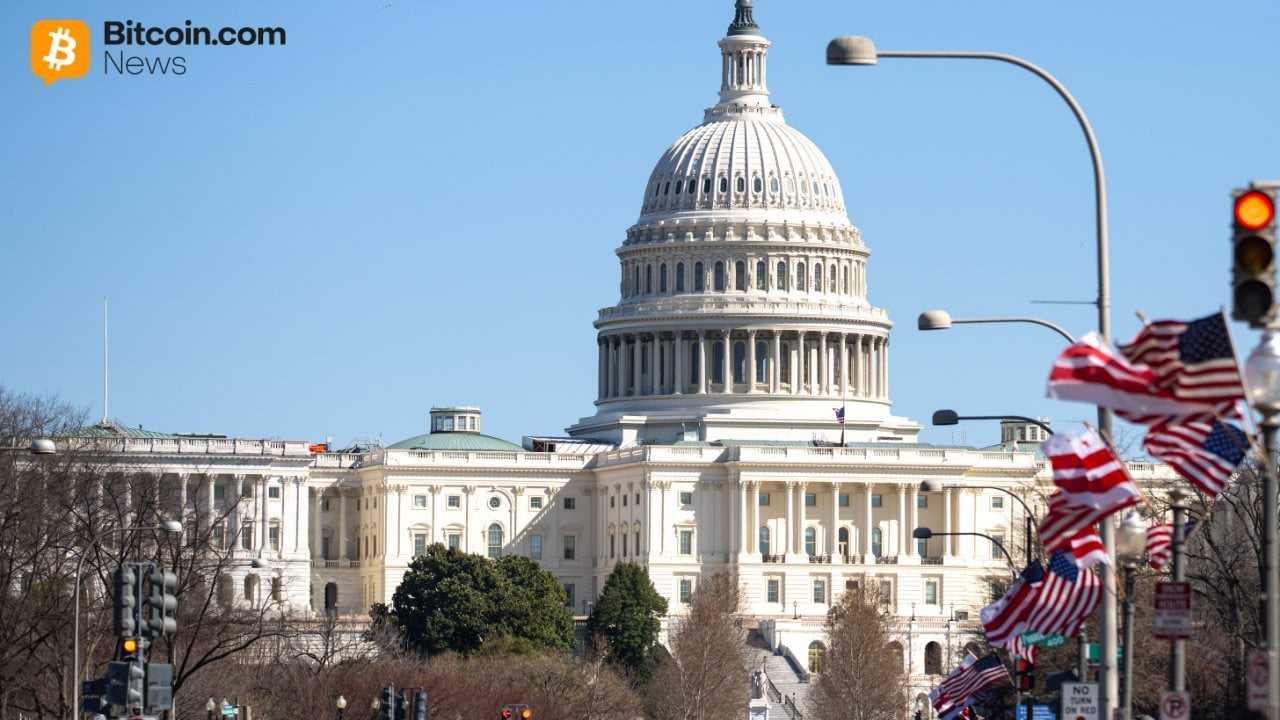
Pressure is intensifying on U.S. lawmakers to update the nation”s cryptocurrency tax regulations as uncertainty surrounding compliance grows. This situation poses a potential threat to the country”s competitive edge in the global market, prompting Congress to consider necessary legislative reforms.
As discussions continue on Capitol Hill, some legislators are voicing concerns that without timely tax policy updates, both capital and innovation may migrate to more favorable jurisdictions abroad. Lawmakers are recognizing the urgency of addressing the current tax framework, which many believe is hindering the growth of the cryptocurrency sector.
Senator Mike Crapo has been vocal about these concerns, highlighting the risk of losing vital investments and advancements if the U.S. does not adapt its tax policies to better accommodate the rapidly evolving digital asset landscape. The call for action reflects a broader acknowledgment among policymakers that the existing rules may not align with the realities of modern financial technologies.
The implications of outdated tax legislation extend beyond compliance challenges; they could stifle the innovative spirit that has fueled the growth of cryptocurrencies and blockchain technology. Reforming these regulations is viewed as essential to maintaining the U.S.”s position as a leader in the cryptocurrency space.
As the conversation progresses, stakeholders from various sectors—including financial institutions, tech innovators, and tax professionals—are advocating for a more coherent and supportive regulatory environment that encourages investment while ensuring compliance with tax obligations. The evolving dialogue in Congress could signal a pivotal moment for the cryptocurrency industry as it seeks to navigate the complexities of U.S. tax law.