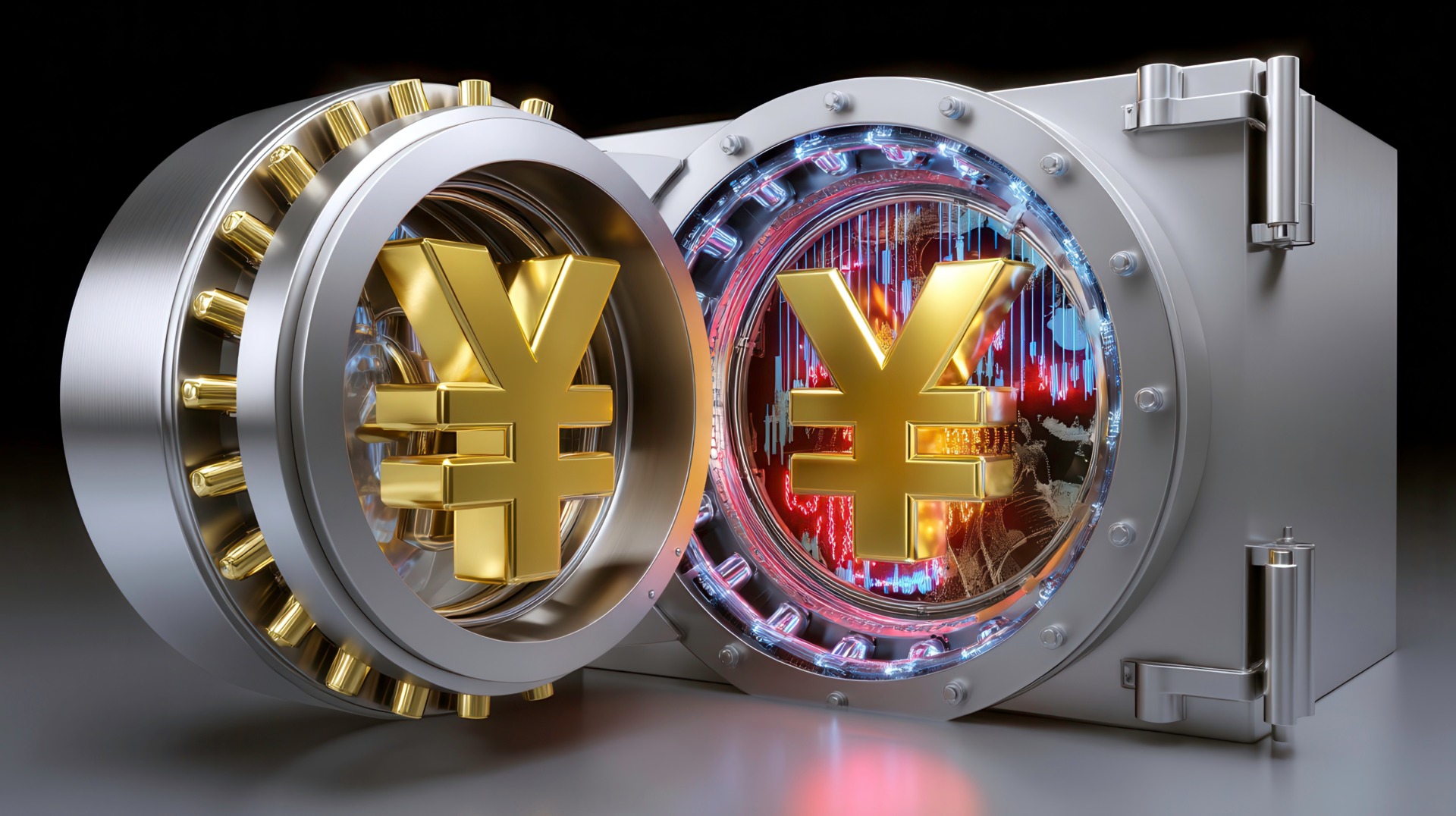
The Financial Services Agency (FSA) of Japan is set to introduce new regulations requiring cryptocurrency exchanges to maintain liability reserves aimed at safeguarding users from hacks and operational failures. This decisive move comes in response to several significant breaches, notably the 2024 security incident at DMM Bitcoin, where 4,502 BTC, valued at approximately $305 million, was stolen by North Korean hackers, and a breach at Bybit in February 2025 that resulted in losses exceeding $1.46 billion.
Under the proposed regulations, which are expected to be presented to parliament in 2026, exchanges will no longer be able to store customer funds in offline cold wallets without reserve obligations. This change aims to tighten security protocols across the industry, ensuring that user funds are protected and can be promptly reimbursed in the event of a compromise.
The FSA”s liability reserve framework is modeled after established practices in traditional securities firms, which maintain reserves ranging from $12.7 million to $255 million, depending on their trading volume. Additionally, exchanges might have the option to purchase insurance in lieu of holding the full cash reserves, potentially alleviating some operational costs.
In light of ongoing security vulnerabilities, the newly proposed regulations also aim to create a structured process for returning customer assets if an exchange fails, allowing administrators to manage recovery efforts more effectively. Smaller breaches, like the $21 million theft from SBI Crypto in 2025, further highlight the necessity for these protective measures.
Broader Regulatory Changes on the Horizon
Beyond the liability reserve requirements, the FSA is considering broader regulatory reforms that could see certain crypto assets reclassified as financial instruments under the Financial Instruments and Exchange Act. Such reclassification would subject these assets to stricter regulations regarding insider trading and investor protections.
Moreover, banks may play an expanded role in the crypto sector, with pilot programs for stablecoins already in progress at major financial institutions such as MUFG, Sumitomo Mitsui, and Mizuho. These initiatives aim to assess legal compliance and operational feasibility within the evolving landscape of cryptocurrency.
Industry experts believe that these regulatory measures could help restore trust in crypto exchanges, similar to the way traditional banking insurance works. While these enhancements may lead to increased operational costs for exchanges, they are essential in creating a secure environment that fosters further adoption of cryptocurrency in Japan.
As Japan moves forward with these significant reforms, the balance between ensuring user safety and promoting innovation within the crypto market remains a paramount concern for regulators and industry stakeholders alike.