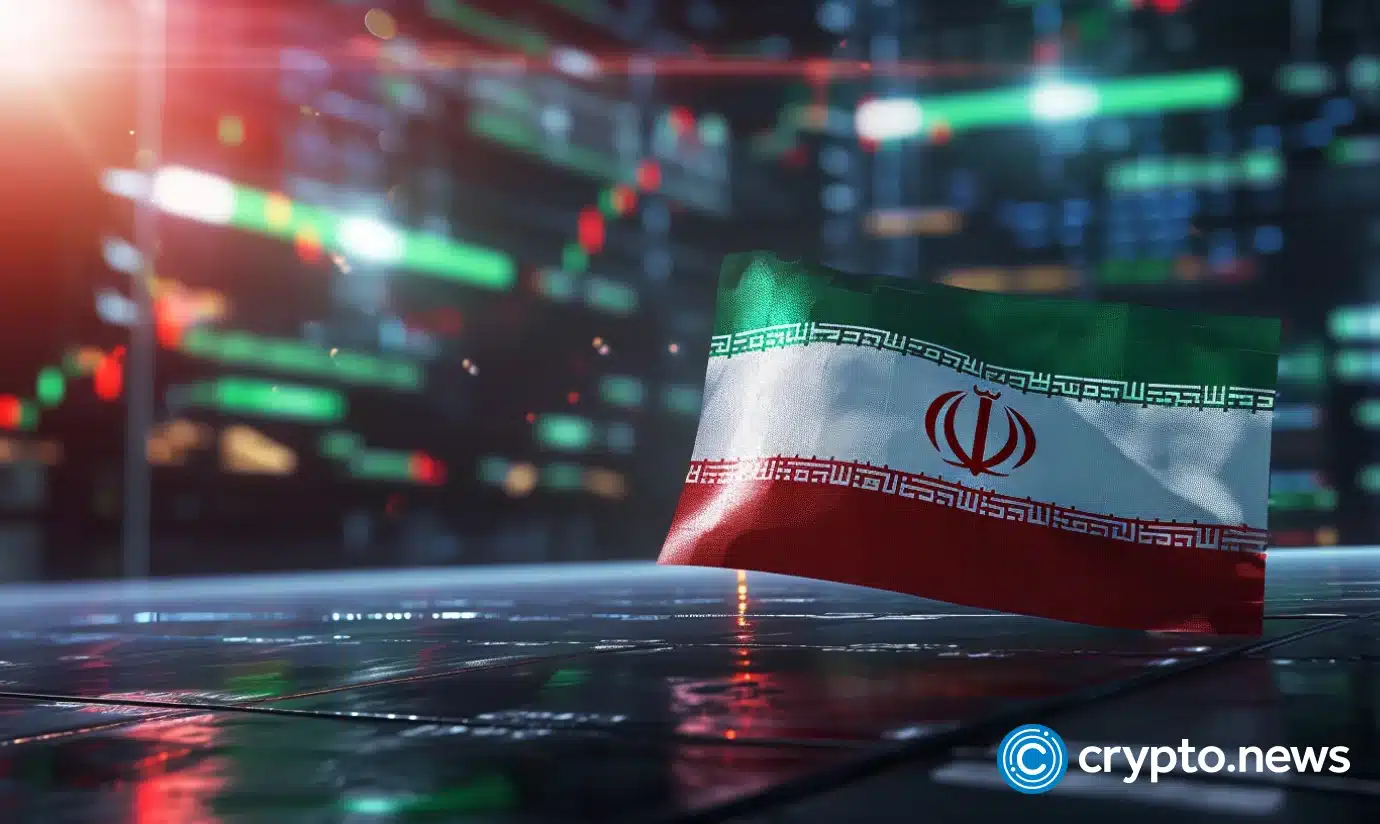
In a bold move, Iran has begun accepting cryptocurrency as a payment method for advanced weapon systems sold to foreign governments. This strategic decision is seen as a means to circumvent the stringent Western sanctions that limit access to traditional financial systems.
According to a report by the Financial Times dated January 1, Iran”s Ministry of Defence Export Center, commonly referred to as Mindex, has implemented payment options allowing military contracts to be settled using digital currencies. This initiative has been in place for approximately a year and includes barter arrangements and payments in Iranian rials.
Mindex is the state body responsible for Iran”s arms exports and claims to have established client relationships with 35 countries. Its offerings include a range of military hardware, such as Emad ballistic missiles, Shahed drones, and various defense systems, as well as small arms and anti-ship missiles.
The Financial Times confirmed the legitimacy of Mindex”s online presence through various methods, including archived records and technical assessments. Notably, the website is hosted on a domestic cloud service provider in Iran, which is currently under U.S. Treasury sanctions and has been linked to Iranian intelligence operations.
Prospective clients can navigate a dedicated online portal and interact with a virtual chatbot for inquiries. A section addressing frequently asked questions explicitly tackles the issue of sanctions risk, indicating that Iran”s strategies for circumventing such restrictions ensure the successful execution of contracts and delivery of goods.
While specific pricing details remain undisclosed, Mindex facilitates in-person inspections of its offerings in Iran, contingent on security clearance. This willingness to accept cryptocurrency marks one of the first public instances of a nation-state offering military equipment in exchange for digital assets.
Western officials have expressed concern that those engaging in conventional financial transactions with Iran may face exclusion from the financial networks of the U.S., EU, and U.K. In earlier actions, U.S. authorities accused Iran of utilizing cryptocurrencies to facilitate oil sales and transfer significant funds outside traditional banking systems. In September, sanctions were imposed on individuals associated with Iran”s Revolutionary Guards for operating a crypto-based “shadow banking” network.
This development occurs against a backdrop of increasing international pressure on Tehran, particularly regarding its nuclear program. In 2024, Iran was ranked 18th in global arms exports, as per reports from SIPRI, with analysts noting a rise in Iran”s arms trade as Russia”s export capabilities diminish following the conflict in Ukraine.
Despite facing sanctions, Iran”s domestic cryptocurrency ecosystem continues to expand. Approximately 5 million Iranians are reportedly active traders, with inbound cryptocurrency volumes rising 11.8% year-over-year in 2025. Local exchanges such as Bit24, Excoino, and Nobitex have emerged, although the $80–90 million hack of Nobitex in June 2025 was a significant setback, yet adoption of digital assets remains robust within Iran”s sanctioned economy.