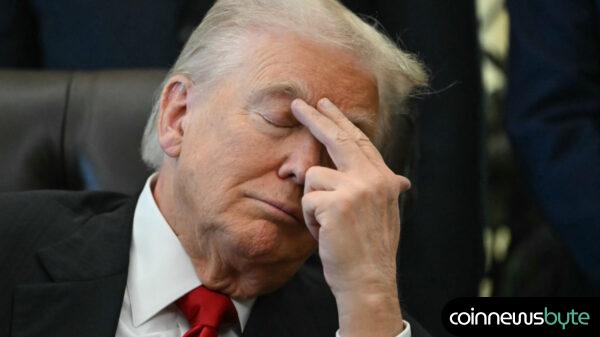
India”s recent budget is strategically designed to protect the economy from the pressures exerted by US trade policies, particularly the tariffs implemented during President Donald Trump”s administration. Announced on Sunday, this financial plan outlines Prime Minister Narendra Modi”s government approach to sustaining economic growth, enhancing critical sectors, and preparing the nation for an increasingly unpredictable global trading landscape.
The budget emphasizes substantial support for exporters who have faced challenges due to US tariffs, while also allocating new funds for key sectors such as semiconductors, rare-earth minerals, and essential resources. Furthermore, the government has committed to increased infrastructure spending and an 18% hike in defense expenditure, addressing security concerns related to China and Pakistan.
However, the budget refrains from extravagant spending or extensive tax reductions, maintaining a cautious approach to public finances as Modi”s party gears up for significant state elections. According to Ashok Malik from The Asia Group, this budget aims to “insulate India while being watchful for global headwinds,” rather than initiating aggressive economic stimulus measures.
In reaction to the budget announcement, stock prices generally fell, a decline attributed more to a tax increase on equity-market transactions intended to mitigate speculation than to dissatisfaction with the overall spending plan. Additionally, the government is set to borrow more in the upcoming fiscal year than the market had anticipated, which may exert pressure on the bond market in the near term.
Finance Minister Nirmala Sitharaman highlighted that India is navigating a challenging global environment characterized by strained trade systems and disrupted supply chains. While she did not directly reference the US, the budget clearly responds to recent American trade actions, including a 50 percent tariff that has been in place since August. These tariffs have particularly impacted labor-intensive industries such as textiles and furniture.
To mitigate these vulnerabilities, the Indian government is promoting greater self-reliance, implementing measures such as reducing consumption taxes to stimulate domestic demand, reforming labor laws to enhance business flexibility, and inviting private investment into sectors like nuclear energy and finance. Economists view these reforms as essential for boosting productivity and facilitating a more business-friendly environment within India.
As part of Modi”s broader strategy, there is a push to strengthen trade relations to counterbalance the threats posed by the US. Recently, India and the European Union finalized a free-trade agreement after nearly two decades of negotiations, offering some relief to exporters affected by US tariffs. Last year also saw India securing trade agreements with the UK and New Zealand.
The budget forecasts a growth rate between 6.8% and 7.2% for the forthcoming year, although many analysts believe this estimate may be overly optimistic. Opposition leaders have criticized the budget for not adequately addressing issues such as youth unemployment and low household savings. Currently, the government”s primary focus remains on fortifying the economy against global uncertainties while prudently managing public finances.
If you want your project highlighted in front of key figures in the cryptocurrency space, consider featuring it in our next industry report, where data meets impact.