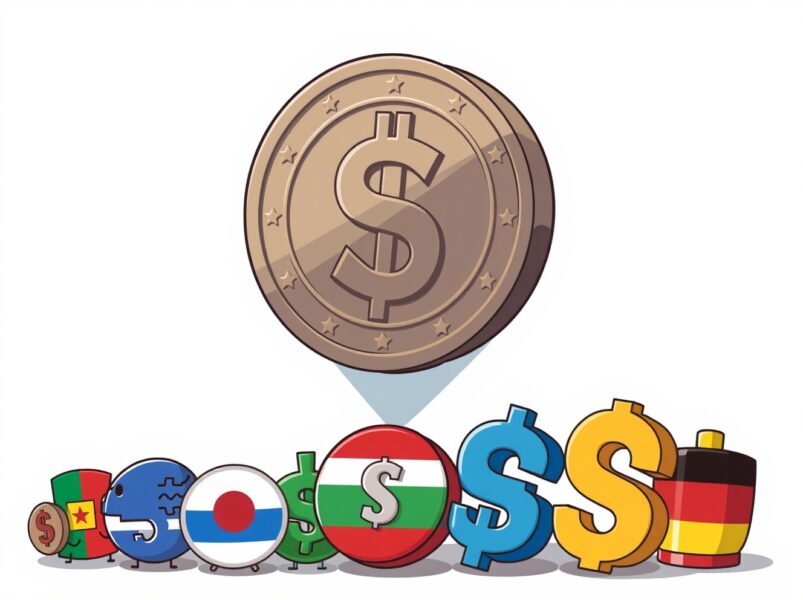
In a sobering report, the International Monetary Fund (IMF) has raised alarms regarding the influence of dollar stablecoins on the economic sovereignty of emerging markets. This development underscores an urgent need for policymakers to consider the broader implications of these digital assets.
Dollar stablecoins are cryptocurrencies pegged to the US dollar, designed to maintain a stable value. They provide a digital alternative that combines the benefits of traditional fiat currencies with the innovative features of blockchain technology. Prominent examples include USDT (Tether) and USDC (USD Coin), both of which have seen rapid adoption due to their perceived stability and usability across borders.
Understanding the Risks to Sovereignty
The IMF outlines two primary risks posed by dollar stablecoins to emerging economies. First, these digital currencies can easily circumvent national capital controls, which are often implemented by governments to regulate the movement of money and stabilize economic conditions. This creates a parallel financial ecosystem that operates outside of governmental oversight.
Secondly, there is a significant concern regarding currency substitution. In nations facing high inflation or unstable local currencies, individuals may prefer to hold dollar stablecoins over their national currency. This shift can severely undermine the effectiveness of central banks, as it diminishes their control over monetary policy, reduces revenue from currency issuance, and compromises their role as lenders of last resort during financial crises.
Debate Over Current Impact and Future Risks
The concern articulated by the IMF has sparked debate among financial experts. While the potential for capital flight during economic turmoil is alarming, some argue that the current impact of stablecoins on emerging market economies is relatively minimal. They point out that the proportion of global foreign exchange transactions conducted via stablecoins remains small, suggesting that any immediate risk is limited.
This viewpoint emphasizes that the real threat may lie in future developments, as the adoption of dollar stablecoins continues to grow. As such, the IMF”s analysis serves as a proactive warning, urging nations to prepare for potential economic disruptions linked to these digital currencies.
The Path Forward for Regulation
The IMF”s warning highlights the pressing need for a comprehensive regulatory framework for cryptocurrencies, particularly for stablecoins. This report could catalyze efforts for stricter licensing requirements for stablecoin issuers, mandates for transparency regarding reserve backing, and greater international cooperation to prevent regulatory arbitrage.
For emerging markets, the challenge will be to strike a balance between embracing innovation and safeguarding their monetary sovereignty. Many may need to consider the development of central bank digital currencies (CBDCs) to provide a competitive digital alternative while mitigating the risks posed by external dollar dominance.
In conclusion, the IMF”s findings reflect a critical moment for global finance. While the immediate risks presented by dollar stablecoins may be up for debate, their long-term implications for monetary sovereignty are clear and warrant serious consideration from both regulators and financial institutions alike.
As the conversation surrounding cryptocurrencies evolves, it becomes essential for all stakeholders to engage in discussions about the future of money and its impact on national economies.