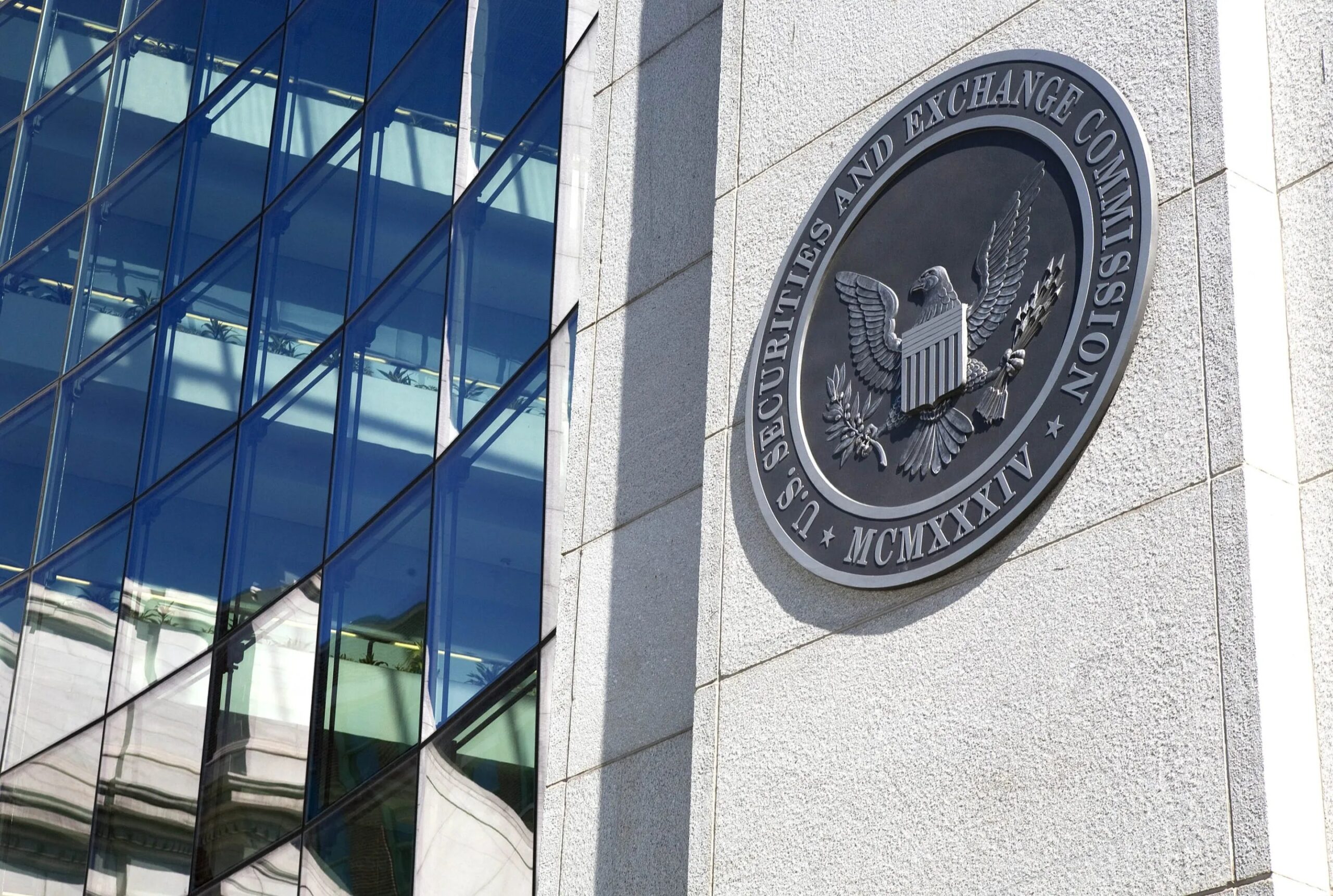
House Democrats have voiced their discontent regarding the recent decision by the SEC to drop several crypto-related cases. This unexpected move has raised eyebrows within the political arena, igniting renewed discussions surrounding the ongoing legal challenges faced by Ripple.
The SEC”s decision comes amidst a backdrop of increasing scrutiny over its handling of cryptocurrency regulation. Lawmakers are questioning whether the agency is adequately fulfilling its mandate to protect investors and maintain market integrity. The sentiment among Democrats suggests that the SEC may be retreating from its responsibilities just when clearer regulatory frameworks are needed for the burgeoning crypto industry.
As the regulatory landscape evolves, the legal battle involving Ripple has resurfaced as a focal point of discussion. Ripple, known for its digital payment protocol and cryptocurrency, has been embroiled in a lawsuit with the SEC since late 2020, when the agency alleged that Ripple conducted an unregistered securities offering through the sale of its XRP token.
The implications of these discussions extend beyond Ripple, as they reflect broader concerns about how regulatory bodies are addressing the complexities of the cryptocurrency market. Many believe that a more robust regulatory approach is essential for fostering innovation while protecting investors.
In the wake of these developments, the dialogue around the SEC”s role in the cryptocurrency sphere will likely intensify. Lawmakers are calling for greater accountability and transparency from the agency as it navigates the challenges posed by rapidly evolving digital assets.
As the cryptocurrency landscape continues to grow, the outcomes of such discussions may significantly influence future regulations and the operational frameworks for digital currencies.