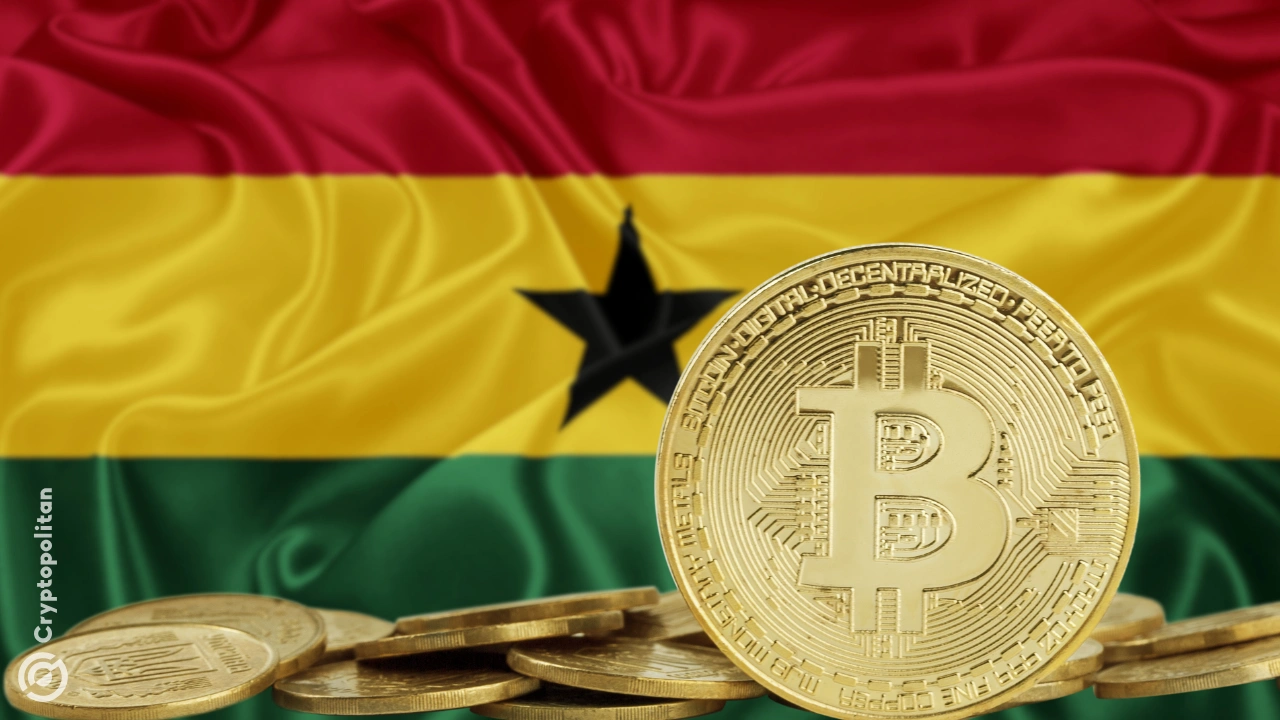
Ghana”s parliament has officially legalized cryptocurrency activities, marking a significant shift in the country”s regulatory landscape. The recent passage of the Virtual Asset Service Providers Bill was confirmed by Bank of Ghana (BoG) Governor Johnson Asiama during an announcement in Accra.
This new legislation comes as a response to growing concerns from the central bank regarding the unregulated use of cryptocurrencies among its citizens. With the bill”s approval, Ghana aims to create a structured environment for cryptocurrency trading and related activities, facilitating the licensing of platforms operating in this space.
Governor Asiama emphasized the importance of the framework, stating, “What this means is that now we have the framework to manage it and to manage the risks that can involve that kind of activity.” He further noted that this legal development will not only enhance oversight but also foster better policies and stronger regulation.
With the new law in place, citizens engaging in cryptocurrency can do so legally, alleviating fears of potential legal repercussions. According to estimates, around 3 million Ghanaians, roughly 17% of the adult population, are involved in cryptocurrency transactions, processing approximately $3 billion in crypto trades up to June 2024.
Asiama mentioned that the law”s implementation would help bring emerging cryptocurrency activities within regulated boundaries, ensuring accountability and governance. The BoG will serve as the primary regulatory authority, tasked with licensing and supervising virtual asset service providers, which include exchanges and wallet services. The Securities and Exchange Commission (SEC) may also play a role in oversight in certain areas.
It is important to note that while cryptocurrencies have been legalized, they will not be recognized as legal tender in Ghana. The national currency, the cedi, will continue to hold that status.
Ghana”s decision to regulate cryptocurrency comes at a time when the country is making strides in crypto adoption within the Sub-Saharan region. According to Chainalysis” 2025 Geography of Cryptocurrency Report, Ghana is ranked among the top five Sub-Saharan African nations by total cryptocurrency value received from July 2024 to June 2025, although it still trails behind Nigeria, which has received the highest crypto value in the region.
The Sub-Saharan African region has seen substantial growth in cryptocurrency activity, with over $205 billion in on-chain value recorded, a 52% increase from the previous year. Ghana”s new regulatory framework is expected to attract further investment and participation in international regulatory initiatives, enhancing confidence among investors and fostering global cooperation.
Countries such as Kenya, South Africa, and Ethiopia have also taken steps to establish their own cryptocurrency regulations, reflecting a broader trend across the continent.