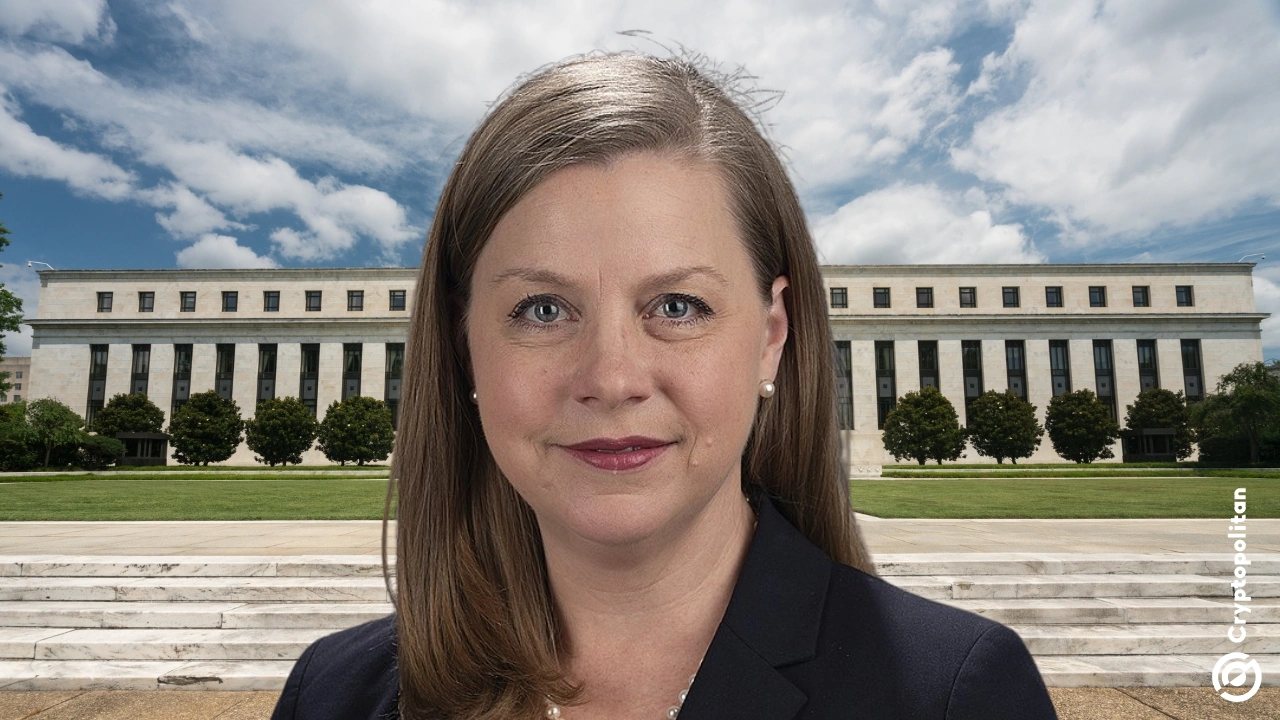
The top bank supervisor at the Federal Reserve, Michelle Bowman, has made it clear that new regulations targeting banks and stablecoin issuers are on the horizon. Speaking before the House Financial Services Committee, Bowman emphasized the urgent need for regulators to act, ensuring that innovation in financial technology aligns with stability.
Bowman”s remarks come as part of a broader push to encourage healthy competition among traditional banks, fintech firms, and cryptocurrency-related businesses. She highlighted her primary role as a regulator to support mindful innovation while calling for continuous improvement in addressing risks stemming from new developments.
This announcement coincides with the passage of the recently enacted GENIUS Act, which aims to establish a comprehensive legal framework for payment stablecoins. This framework will include rules regarding reserve backing, redemption rights, public disclosures, and regulatory oversight to ensure accountability among stablecoin issuers.
During her testimony, Bowman noted that new technologies are pivotal in enhancing the banking sector”s efficiency, expanding credit access, and fostering fair competition with digital asset firms and fintech companies. She pledged to collaborate with other regulatory agencies to formulate capital and diversification rules specifically for stablecoin issuers, as mandated by the GENIUS Act, which requires these issuers to maintain dollar-for-dollar reserves.
The remarks come amid an ongoing dispute between traditional banks and cryptocurrency firms over regulatory access. Crypto companies argue that obtaining bank charters is crucial for legitimizing their operations and enhancing their credibility. Conversely, traditional lenders express concerns that granting bank charters to crypto firms could undermine the competitive landscape and weaken the charter system, allowing firms to operate without adhering to established banking responsibilities.
Bowman is dedicated to advancing various bank capital measures, which include the anticipated Basel III Endgame. She stated, “My strategy is to focus on adjusting the new framework from the ground up instead of trying to change things to fit existing ideas about capital requirements.”
In addition, an insider revealed that the Federal Reserve has circulated an updated Basel III plan to other U.S. regulators. This plan reportedly aims to alleviate capital proposals from the Biden administration that target major Wall Street banks. While predictions suggest this plan could result in an increase of capital requirements ranging from 3% to 7% for most leading banks, it remains uncertain how these changes will play out.
Bowman reiterated the Fed”s commitment to work alongside other agencies to refine the capital framework for major banks, indicating a future shift in regulatory approaches aimed at strengthening the overall financial landscape.