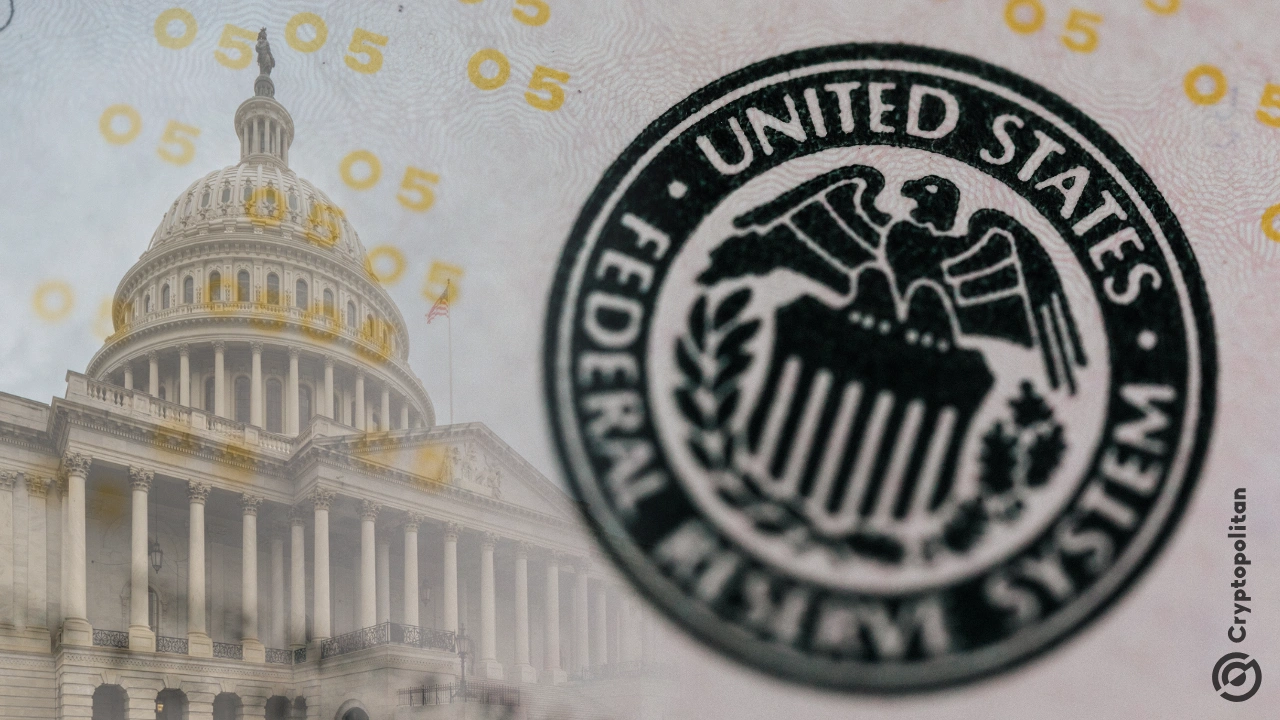
The Federal Reserve and several other central banks are poised to hold interest rates steady, a move that reflects a unified stance during a sensitive economic period. This decision comes amid increasing pressure from U.S. President Donald Trump, who has been vocal about the need for lower borrowing costs. Officials are expected to confirm this approach following their two-day meeting on January 28.
In addition to the Fed, analysts suggest that central banks in Brazil, Canada, and Sweden are likely to maintain their current interest rates in light of prevailing economic conditions. This coordinated effort highlights the central banks” focus on independence, particularly as Trump has criticized Fed chair Jerome Powell”s cautious stance on rate adjustments.
Sources familiar with the discussions indicate that more than a dozen central banks, including the Bank of England and the European Central Bank, have rallied behind Powell. This collaboration emphasizes the need for central banks to operate independently, especially amid external pressures from the U.S. administration.
Recent reports also reveal that the Fed is currently facing grand jury subpoenas, raising the specter of potential criminal charges. This tumultuous backdrop adds urgency to the Fed”s decisions as it navigates the complexities of economic policy.
Kristalina Georgieva, the head of the International Monetary Fund, has pointed out that the global economy is increasingly vulnerable to unexpected changes. Her remarks during the World Economic Forum in Davos underscore the challenges that central banks face in maintaining stability amidst geopolitical tensions.
Market analysts anticipate that the Federal Open Market Committee (FOMC) will find sufficient data to support keeping interest rates unchanged in the upcoming meeting. A consensus among committee members would signify strong backing for Powell, particularly as he confronts significant criticism from the White House. Key figures to monitor include Governors Christopher Waller and Michelle Bowman, whose votes could indicate their support for the Fed”s independence.
While there are concerns regarding the impact of tariffs on economic growth, policymakers remain vigilant about potential inflationary pressures. As central banks prepare for decision-making sessions next week, analysts predict that some will adopt easing measures to address evolving economic conditions.
In the meantime, Fed officials are expected to hold interest rates steady after implementing three consecutive reductions by late 2025. Analysts believe Powell will highlight that the current policy remains suitable for the time being while refraining from outlining any imminent changes to interest rates.
This cautious approach allows officials to observe the effects of previous rate adjustments on the economy, ensuring that any future decisions are well-informed.