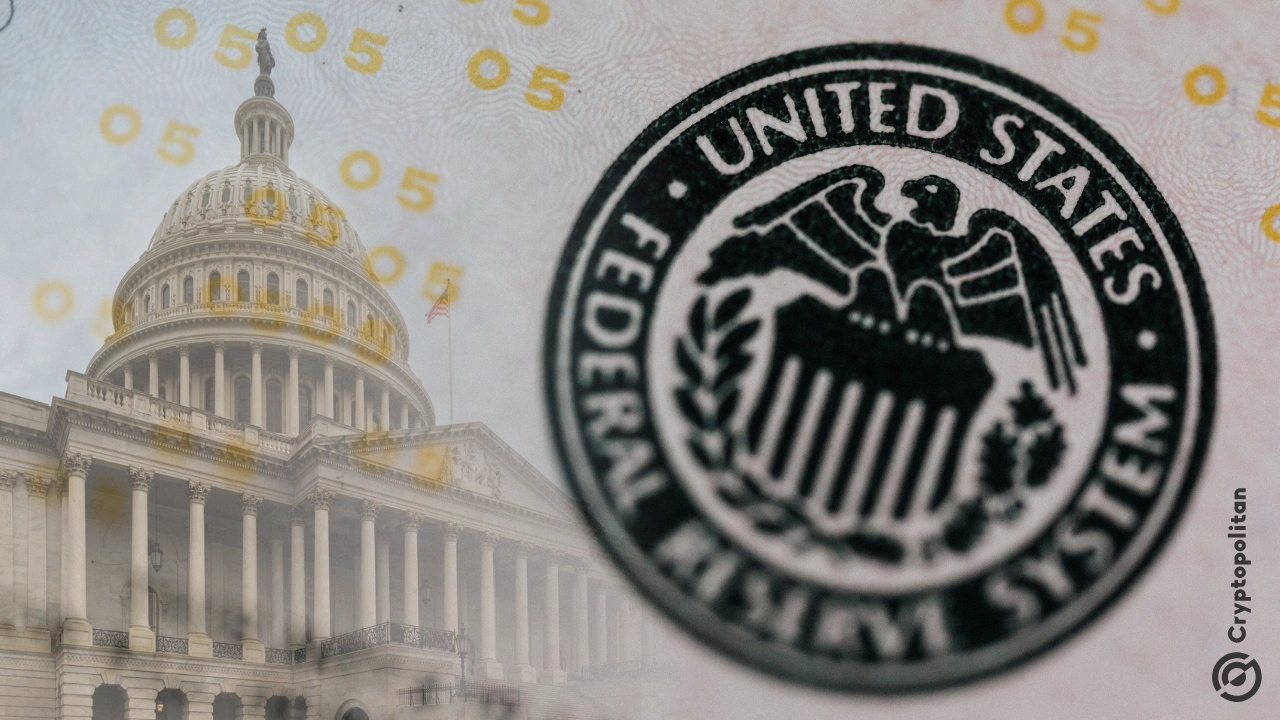
The Federal Reserve is entering 2026 amid significant political and economic pressures that are shaping its interest rate strategy. As the largest central bank globally, it finds itself contending with leadership uncertainty, public scrutiny, and the implications of recent monetary policy decisions.
In the past year, the Fed has implemented three consecutive interest rate cuts, which now influence every decision it makes moving forward. Despite expectations of solid economic growth, persistent inflation complicates the justification for further rate reductions.
Kathy Bostjancic, the chief economist at Nationwide, emphasized that the Fed will remain under a significant spotlight. She noted, “There”ll be lots of intrigue” surrounding the central bank”s actions, indicating that the uncertainty keeps policymakers on high alert.
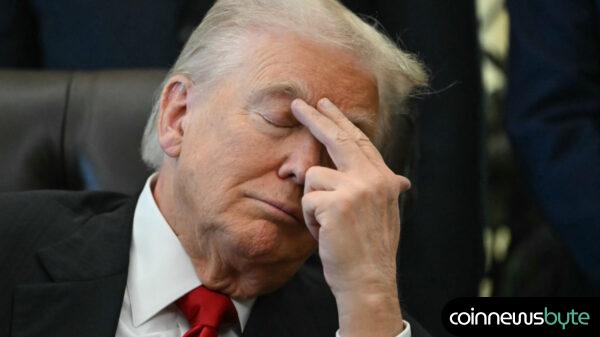
Political dynamics have intensified as former President Donald Trump has made public threats to remove Fed Chair Jerome Powell. This comes at a time when Trump is also facing legal challenges and is looking to appoint Powell”s successor, as Powell”s term is set to expire in May. The administration has reportedly interviewed a number of candidates for the role, with Treasury Secretary Scott Bessent leading the search.
Upcoming decisions are compounded by a Supreme Court hearing scheduled for January 21, which will determine whether Trump can remove Governor Lisa Cook from her position. The Federal Open Market Committee (FOMC) is set to meet shortly after, making critical decisions on interest rates.
With newly appointed regional presidents adopting a hawkish stance, the Fed”s capacity for further rate cuts is increasingly constrained. Recent FOMC meetings have seen dissent among members, further complicating the Fed”s decision-making process.
Despite the tumultuous environment, Wall Street analysts predict that the Fed might aim to maintain a neutral federal funds rate around 3 percent. Currently, the rate is approximately half a percentage point higher than what most committee members consider the long-term target.
Market expectations vary regarding future cuts; some economists foresee two reductions, while others anticipate only one, reflecting differing views on the labor market”s strength and overall economic conditions. The Fed”s decisions will be heavily influenced by incoming economic data rather than political pressures.
Artificial intelligence also presents a new variable in economic forecasting and policy communication. Joseph Brusuelas, chief economist at RSM, pointed out that advancements in technology will play a crucial role in the Fed”s ability to communicate effectively with the public and stakeholders in 2026.
As the economy shows signs of robust growth, tracking near a 3 percent increase according to Atlanta Fed estimates, the Federal Reserve faces a challenging landscape for its monetary policy strategy in 2026.