








































Concerns are mounting within academic and legal circles regarding the government”s intention to impose restrictions on major shareholder stakes in cryptocurrency exchanges. The proposed regulation, which seeks to limit the largest shareholder”s equity to between 15 and 20 percent, has been characterized by the Financial Services Commission as an effort to classify crypto exchanges as “quasi-financial institutions.” This classification arises from their roles in managing client assets, facilitating transactions, and overseeing listings.
This ownership cap has emerged as a pivotal aspect of the ongoing discussions surrounding the drafting of the Digital Asset Basic Act, which is considered the second phase of legislation governing virtual assets in the country. Attention is now focused on how the ruling Democratic Party of Korea (DPK) will navigate this contentious issue.
Industry experts are calling for a comprehensive review of the proposed regulation before it is enacted, emphasizing its potential to significantly influence the growth of the sector, as well as the legal stability and global competitiveness of South Korean crypto businesses.
Attorney Kim Hyo-bong from Bae, Kim & Lee expressed concerns that the planned measures might violate the constitutional principle of proportionality. With over a decade of experience at the Financial Supervisory Service, Kim highlighted the importance of assessing the foreseeability of changes, the severity of potential losses, and whether compelling public interests justify such restrictions.
Kim further noted that the structural differences between crypto exchanges and traditional banks are crucial, as the former do not generate credit or rely on public bailouts. He argued that these distinctions weaken the rationale behind implementing ownership limits akin to those imposed on securities exchanges.
Moreover, abrupt regulatory changes could stifle investment and entrepreneurial activity, potentially driving domestic firms to relocate to more favorable jurisdictions and increasing dependence on foreign operators.
Incheon National University Professor Kim Yoon-kyung cautioned that while many nations impose qualification checks on crypto executives and shareholders, legally limiting equity stakes for major owners is relatively uncommon. He warned that forced dilution of ownership could lead to management instability and disputes over control, thereby harming competitiveness and hindering innovation.
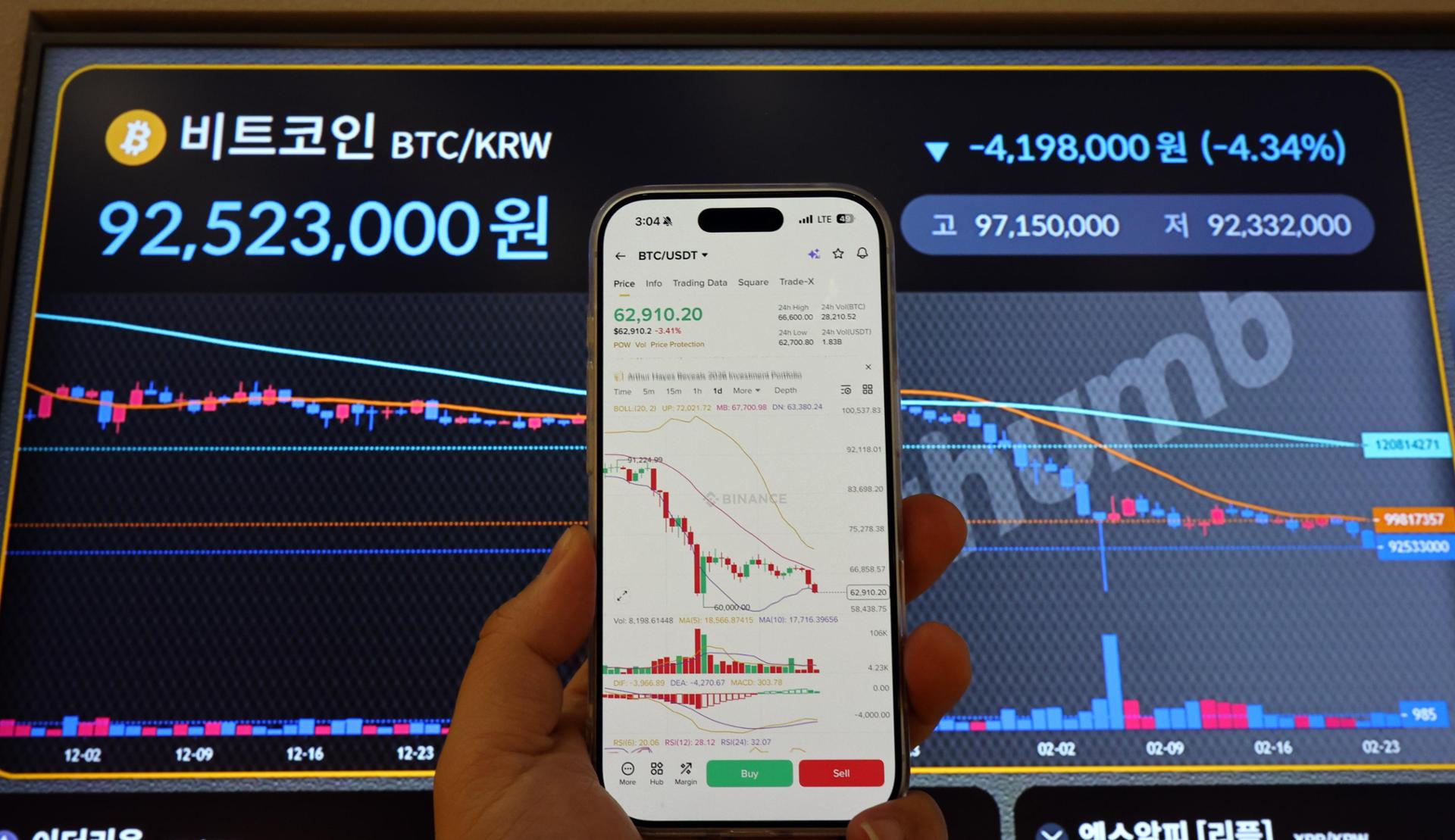
The ruling DPK is experiencing internal divisions on this matter. Although party leadership has generally supported the government”s stricter regulatory approach—especially after a notable incident involving Bithumb where users were mistakenly credited with excessive amounts of Bitcoin—some members argue for more targeted measures. This includes enhancing background checks on major shareholders rather than enforcing ownership caps, as they believe that reducing ownership stakes may not necessarily enhance public interest safeguards.
Representative Ahn Do-geol of the DPK indicated that several unresolved issues warrant further examination, suggesting that a legislative proposal is unlikely to be presented this month. The DPK”s digital asset task force plans to refine its recommendations through mid-March, as the party continues to shape its official stance on this critical regulatory issue.