
























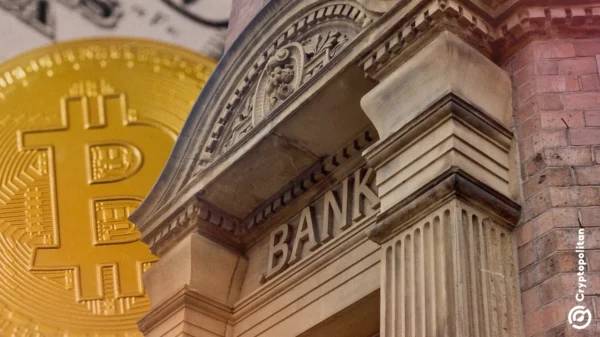





















As the regulatory environment for cryptocurrency in the United States remains uncertain, a prominent former official has voiced concerns that traditional banks are the primary beneficiaries of the current chaos. J. Christopher Giancarlo, the former Chairman of the Commodity Futures Trading Commission (CFTC), asserts that the protracted delays in federal cryptocurrency legislation are likely to favor established financial institutions over native digital asset companies.
In light of these ongoing delays, Giancarlo has urged US banks to adopt cryptocurrencies in their operations without further hesitation. He warns that if banks fail to modernize, they risk being outpaced by nations in Europe and Asia that are already advancing in digital finance. “Digital systems will be developed. Then American banks will wonder what happened. Our old-fashioned identity-based system won”t work anywhere outside the US, and we need to modernize. They”ll find themselves lagging,” he stated. He emphasized the necessity for banks to obtain regulatory clarity to lead in innovation rather than fall behind.
Giancarlo”s comments underline the critical need for transparent regulations tailored to financial institutions. These regulations are intended to guide banks as they consider significant investments in emerging digital payment systems. Tensions have been rising among banks, cryptocurrency companies, and lawmakers regarding the CLARITY Act, which some banks and lawmakers oppose due to concerns that rewarding stablecoin holders could lead to capital flight from traditional banking institutions. Conversely, cryptocurrency firms, including platforms like Coinbase, have shown strong support for such rewards.
Concerns regarding the future of stablecoin rewards have surfaced as analysts point out that stablecoins, which are pegged to the US dollar or other assets, are fundamental to future payment systems. They highlight that banks view these cryptocurrencies as enablers of instant, low-cost transactions, a feature that crypto firms have already begun utilizing for cross-border payments.
Debates surrounding the passage of the CLARITY Act have intensified. Giancarlo estimates the chances of the bill”s approval at approximately 60-40%, despite neither side fulfilling the White House”s deadline for action. Reports indicate that the CLARITY Act must pass through the Senate before it can be signed into law by President Donald Trump. In response to this legislative requirement, Trump has called for swift action from Congress, advocating that the legislation is essential for maintaining America”s competitive edge in digital assets.
Analysts at JPMorgan have previously projected that the CLARITY Act might not see passage until 2025, with delays in committee hearings complicating the timeline. Should the Act fail to pass, Giancarlo has indicated that the leadership of the US Securities and Exchange Commission (SEC) and the CFTC would need to take the initiative to establish their own regulatory frameworks.
Earlier this month, Trump took to his social media platform, Truth Social, to accuse major US banks of obstructing the approval of crucial cryptocurrency regulations by delaying their passage. He claimed that such regulations are vital for the US to remain competitive in the burgeoning field of digital finance, stressing that the issue extends beyond domestic policy. Trump issued a dire warning that delays in key legislation could lead to the loss of both capital and talent to other nations, particularly China. “The banks are making record profits, and we will not let them weaken our strong Crypto Agenda, which could end up going to China and other nations if we don”t address the Clarity Act,” he remarked, placing additional pressure on Congress as negotiations around crypto market regulation remain stagnant.
Currently, the focus on the CLARITY Act has intensified among cryptocurrency advocates, who believe it will deliver the much-needed regulatory clarity essential for the American cryptocurrency market.