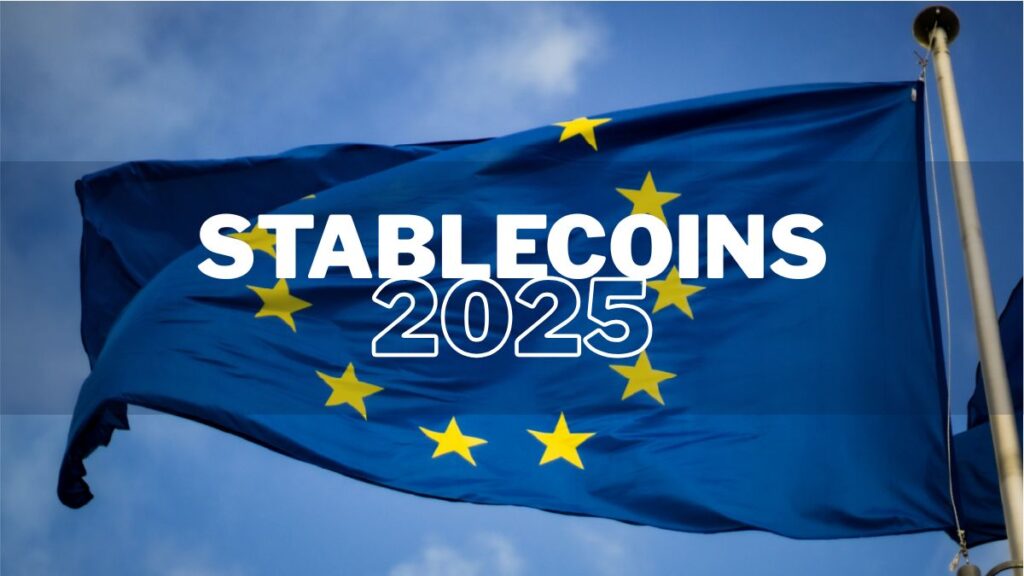
The stablecoin landscape in Europe has experienced remarkable growth in 2025, with transaction volumes skyrocketing to over 113 million compared to just 44 million in 2024. This surge in activity underscores Europe”s position as one of the leading regions for stablecoin usage, even as regulatory pressures mount.
Throughout the year, stablecoin transactions remained robust, although trading volumes moderated from their early 2025 peaks. Notably, approximately 80% of trading activity on centralized exchanges in Europe is conducted with stablecoins, highlighting their critical role as both a bridge between fiat currencies and cryptocurrencies and a preferred medium for day-to-day transactions.
The increase in stablecoin usage coincided with the introduction of the Markets in Crypto-Assets Regulation (MiCAR), which imposed stricter rules on the issuance and oversight of these digital assets. Despite these regulatory constraints, the market has shown resilience, maintaining high levels of activity throughout the year. The European Central Bank has expressed concerns regarding potential risks associated with stablecoins, particularly in relation to bank deposit outflows if these assets start offering yields. However, this caution has not dampened the enthusiasm for stablecoin transactions.
In a notable development, a consortium of nine banks is collaborating on the launch of Qivalis, a euro-denominated stablecoin that aims to comply with MiCAR guidelines. This stablecoin is designed for cross-border payments and is set to facilitate 24/7 settlement, with its launch anticipated for the latter half of 2026.
As the regulatory environment continues to evolve, it remains to be seen how these changes will impact the stablecoin market in Europe. However, the current momentum indicates a strong and growing appetite for stablecoin solutions among traders and institutional players alike.
With the increasing integration of stablecoins into the broader financial ecosystem, including their use in decentralized finance (DeFi) applications, the European market is poised for further developments in this space.