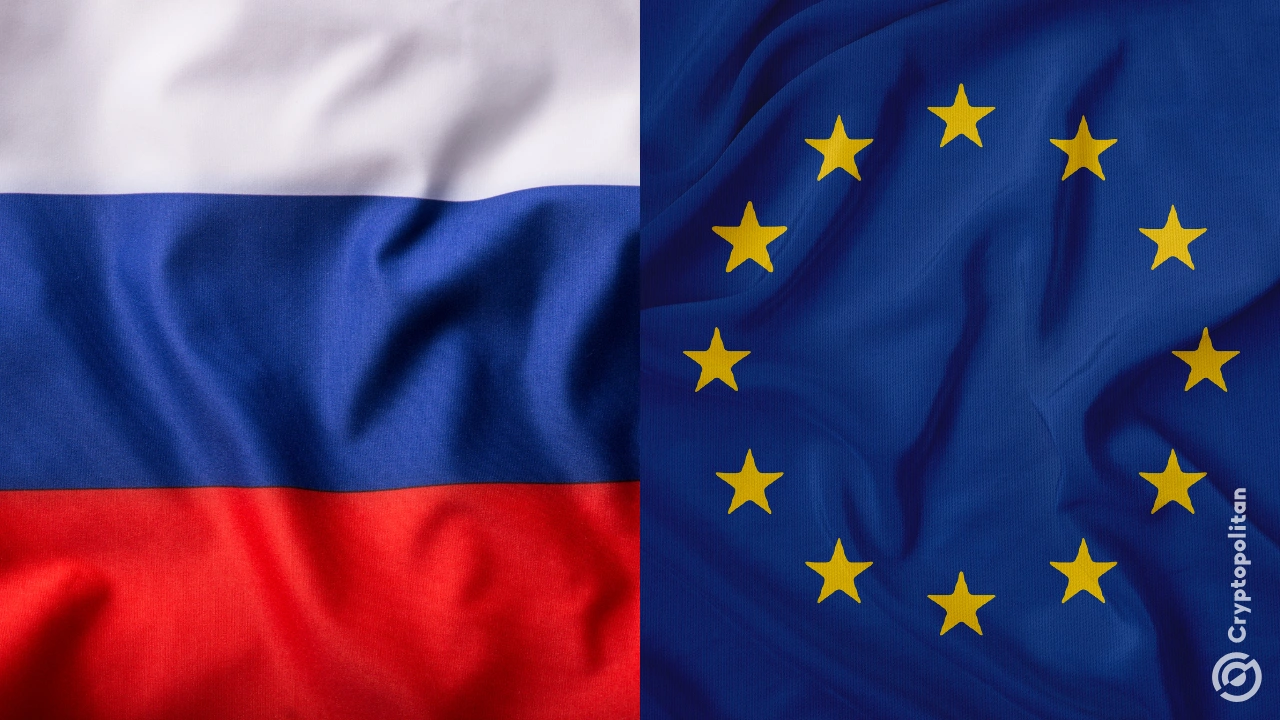
The European Union has announced a significant sanctions package aimed at crippling Russia”s military funding through digital finance. This 20th sanctions proposal specifically targets Russia”s Central Bank Digital Currency (CBDC) and the country”s crypto-asset service providers. The goal is to further isolate the Russian economy and impede its military operations in Ukraine.
Kaja Kallas, the EU”s High Representative for Foreign Affairs and Security Policy, detailed how the sanctions are designed to make the continuation of the war “painfully expensive” for the Kremlin. The new measures include a digital financial blockade that prohibits the use of Russia”s CBDC within the EU and bars European entities from engaging with Russian crypto service providers.
As traditional banking routes for Russia have faced increasing restrictions, the nation has turned to its “digital ruble” and various cryptocurrency platforms to facilitate international trade. The EU aims to close this loophole with its latest sanctions package. Previous sanctions had already limited the amount of crypto assets that Russian individuals could hold in EU wallets. However, this new package introduces a comprehensive “transaction ban” for specific banks and seeks to cut off more institutions from the SWIFT messaging system.
Additionally, the sanctions extend to the physical movement of money, targeting several banks that provide liquidity to the Kremlin. These financial institutions, located both in Russia and third-party nations, will be removed from the SWIFT network, further isolating them from global financial systems.
The EU is also looking to address potential evasion of energy and shipping sanctions by targeting what is known as Russia”s “shadow fleet.” This term refers to the aging tankers employed by Russia to transport oil above the G7 price cap. The sanctions package proposes to add over 40 vessels to its sanctions list, which would deny these ships access to EU ports and maritime services.
For the first time, the EU is activating its “Anti-Circumvention Tool” to prevent Central Asian and Middle Eastern countries from assisting Russia in evading trade bans. This tool allows the EU to restrict the export of sensitive goods to third-party nations if there is evidence of these countries acting as transit points for goods destined for Russia.
Furthermore, the sanctions package includes full-fledged sanctions on 40 companies that contribute to Russia”s military production efforts. These firms are located not only in Russia but also in various third countries that continue to supply the Kremlin with essential electronics and mechanical parts.
The EU is tightening rules around the oil price cap, moving towards a potential “full ban” on maritime services for any Russian oil sold above a specific price threshold. This would impose severe legal consequences on any company providing insurance, flagging, or technical assistance to Russian tankers exceeding that price.
The 20th sanctions package also includes listings of individuals involved in war crimes, the appropriation of Ukrainian cultural heritage, and the illegal deportation of children. Those responsible for spreading state-sponsored propaganda will face asset freezes and travel bans, marking a significant escalation in the EU”s sanctions strategy against Russia.