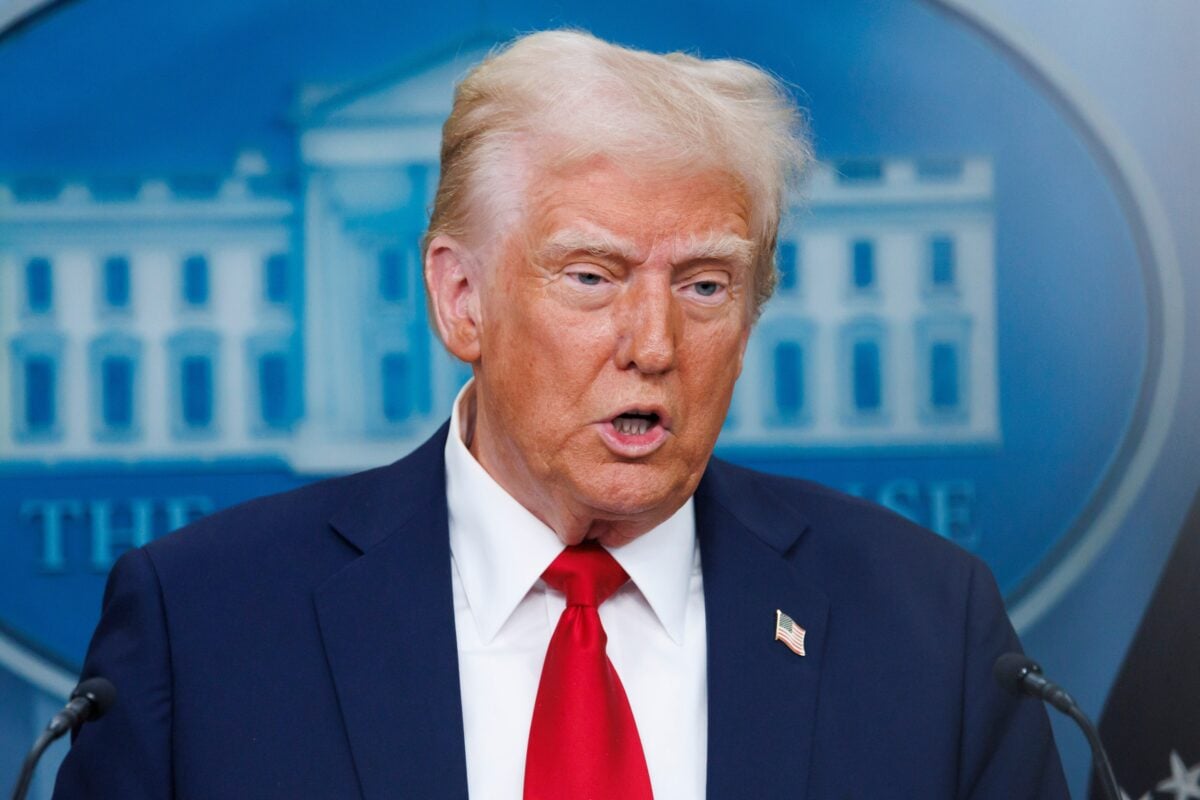
Tensions between the United States and the European Union have heightened following President Donald Trump”s announcement of new tariffs targeting Denmark and seven other NATO allies. This move is linked to Denmark”s refusal to sell Greenland to the U.S., prompting the EU to reassess its trade agreements with the U.S. due to what they consider unacceptable pressure.
EU leaders have vocally opposed the tariffs, which affect nations like Germany and France alongside Denmark. Roberta Metsola, President of the European Parliament, stated, “These actions do not enhance Arctic security and may empower our shared enemies.” She emphasized that Greenland”s sovereignty deserves respect and cannot be compromised by tariff threats.
Kaja Kallas, Vice President of the European Commission, noted that the tariffs could damage the transatlantic alliance, warning that division among NATO partners may benefit adversaries like China and Russia. She insisted that NATO, rather than trade disputes, serves as the appropriate platform for addressing security concerns in the Arctic.
In response to the escalating situation, the EU has convened an emergency meeting of ambassadors in Brussels to discuss the implications of the tariffs. This meeting, scheduled for Sunday, was confirmed by a representative from Cyprus, which currently holds the EU Council presidency. Bernd Lange, chair of the European Parliament”s international trade committee, accused Trump of “weaponizing trade for political pressure” and called for a pause in the approval of the transatlantic trade deal with the U.S.
Trump”s tariffs, which begin at 10% and could rise to 25% by June 1, 2024, affect not just Denmark but also the UK, Germany, France, Sweden, Norway, the Netherlands, and Finland. Trump has claimed these nations have long enjoyed U.S. military protection and favorable trade conditions, and he argues they must “give back” by facilitating the sale of Greenland. He also stated that Greenland”s location is crucial for the operation of the “Golden Dome” missile defense system and warned of increasing foreign influence in the region.
U.S. lawmakers from both parties have expressed their disapproval of the tariff strategy. Senators Jeanne Shaheen and Thom Tillis issued a joint statement from Copenhagen, asserting that imposing tariffs on close allies undermines mutual trust and adversely affects the U.S. economy. They called for diplomatic solutions over economic threats.
Senate Minority Leader Chuck Schumer announced plans to introduce legislation aimed at blocking the tariffs, cautioning that such measures would further strain relations and increase costs for American families and businesses. “These misguided tariffs have already caused economic harm, and now allies are being targeted over an unrealistic demand,” he remarked.