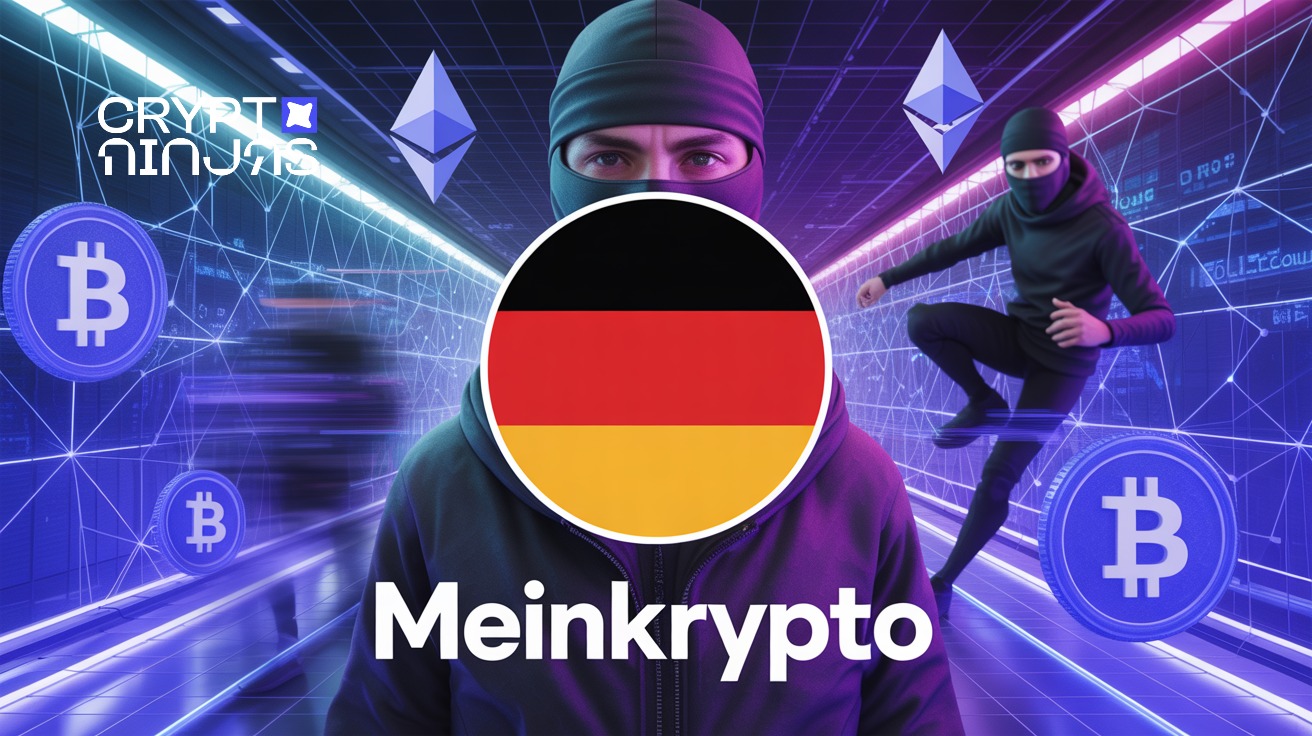
DZ Bank has officially received authorization under the EU”s Markets in Crypto-Assets Regulation (MiCAR) from Germany”s financial supervisory authority, BaFin, as of late December 2025. This significant development allows DZ Bank to operate meinKrypto, a regulated platform for trading and storing cryptocurrencies, aimed at retail customers of cooperative banks.
The meinKrypto platform is designed specifically for the Volksbanken and Raiffeisenbanken network, which collectively represents one of Europe”s largest retail banking groups. While DZ Bank manages the core platform, individual cooperative banks will have the discretion to adopt the service, requiring each to submit their own MiCAR notification to BaFin prior to launching. Customers using meinKrypto will be able to invest in digital assets entirely through the platform, eliminating the need to create accounts on external exchanges.
In a strategic move, DZ Bank has integrated meinKrypto into the existing VR Banking App, rather than creating a standalone application. This integration allows users to trade cryptocurrencies within the same interface they utilize for managing their checking accounts, savings, and payment transactions. The platform is designed as a self-directed wallet, catering to customers who seek direct exposure to cryptocurrency markets without the complexity of advisory-based investment products.
At its launch, meinKrypto will support four prominent cryptocurrencies: Bitcoin, Ethereum, Litecoin, and Cardano. While DZ Bank has yet to announce a timeline for the addition of more digital assets, the platform is structured to adapt to changing regulatory landscapes and user demand.
The technical foundation of meinKrypto is the result of collaboration between DZ Bank and Atruvia, the IT service provider for Germany”s cooperative banking sector. This platform is fully compatible with numerous banks that utilize common core systems. Additionally, custody of the cryptocurrencies will be managed by Börse Stuttgart Digital, a reputable digital asset custodian affiliated with one of Germany”s largest stock exchange groups. Trade execution will be handled by EUWAX AG, the trading platform of Börse Stuttgart, which is well-known for its structured products and digital asset trading.
The MiCAR framework establishes a comprehensive set of regulations governing cryptocurrency across the European Union. Companies operating within this space are required to obtain specific licenses based on the services they provide, which include custody, trading, and issuance. Although DZ Bank”s crypto platform has received approval, cooperative banks wishing to participate must adhere to a formal notification procedure with BaFin, ensuring compliance with cryptocurrency trading requirements, risk management protocols, and customer protection standards.
Research conducted by Genoverband in September 2025 indicates that over one-third of cooperative banks plan to implement this crypto solution in the coming months. This suggests a gradual rollout rather than an immediate nationwide launch. Germany is rapidly emerging as one of Europe”s most dynamic and regulated markets for cryptocurrency, with data from Chainalysis revealing that the country”s crypto economy is expanding at a double-digit rate each year, primarily driven by regulated financial institutions rather than offshore markets.
The actions taken by DZ Bank mark a pivotal shift toward making cryptocurrencies accessible to a broader audience. Banks are increasingly incorporating cryptocurrency access into their existing financial services, thereby simplifying the onboarding process for users who seek entry-level trading capabilities without needing to navigate personal keys or unfamiliar interfaces.