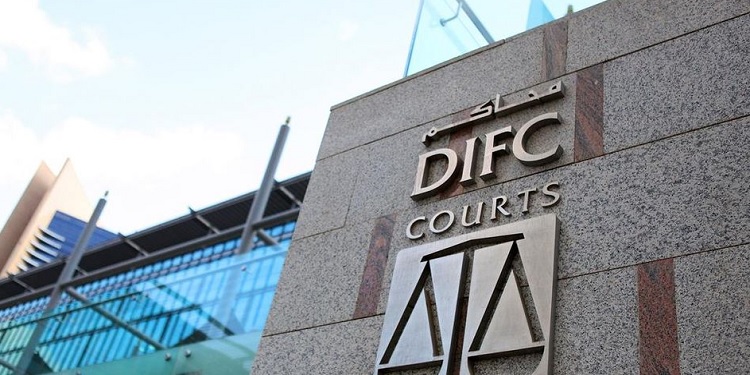
The Dubai International Financial Centre (DIFC) Courts have officially integrated specialized blockchain technology to improve their handling of complex disputes related to digital assets. This strategic move is part of their Growth Strategy for 2026–2030, showcasing a commitment to modernizing judicial practices in light of the rapidly evolving digital economy.
According to court officials, the introduction of digital custody and blockchain intelligence services aims to assist judges and litigants involved in cases concerning cryptocurrencies and tokenized assets. These new services will be provided through approved third-party vendors and will be utilized on a case-by-case basis, depending on the specific needs for advanced digital asset management or analytical tools.
This tailored approach ensures that specialized resources are allocated to cases where they can provide the most significant benefit, particularly in scenarios that involve high complexity or substantial risk.
Secure Custody Solutions
Under the new framework, Zodia Custody will deliver secure custody services, acting as a neutral custodian for digital assets involved in legal disputes. This arrangement is designed to mitigate operational risks and protect assets throughout the resolution process. Zodia Custody is supported by major financial institutions, including Standard Chartered and Emirates NBD, with its UAE operations regulated by the Financial Services Regulatory Authority of the Abu Dhabi Global Market.
The DIFC Courts emphasize the need for neutral custody in cryptocurrency disputes, where issues like asset volatility and security risks can complicate enforcement and management of cases. By utilizing a custodian with institutional backing, the Courts aim to enhance confidence among litigants and maintain procedural integrity throughout the judicial process.
Blockchain Intelligence and Analytical Support
In addition to custody services, the DIFC Courts will also benefit from blockchain intelligence provided by Crystal Intelligence. This firm specializes in crypto risk assessment and compliance, offering tracing, monitoring, and analytical services that will aid the Courts in comprehending transaction flows and identifying significant activities on public blockchains. These capabilities are crucial for evidence gathering, enforcement actions, and ensuring regulatory compliance in disputes involving digital assets.
With the increasing sophistication and international nature of digital asset disputes, blockchain analytics have become vital tools for clarifying asset ownership, detecting suspicious activities, and providing verifiable data that supports informed judicial decisions.
Judicial Readiness and Future Developments
The Director of the DIFC Courts remarked on the significant investments made in recent years to ensure the institution is well-prepared to address disputes arising from the fast-paced advancements in finance and technology. By assessing and approving the use of specialized third-party providers, the Courts are bolstering asset protection, data verification, and overall reliability for users, aligning with international best practices.
This initiative aims to foster trust, transparency, and procedural robustness in digital asset cases, with potential applications extending to niche areas like inheritance-related digital asset disputes and the Courts” Digital Assets Wills service, where secure custody and precise blockchain analysis are particularly important.
Representatives from the involved service providers expressed their enthusiasm for being part of the DIFC Courts framework, viewing this as a validation of the increasing significance of digital assets in formal legal systems. The Courts have indicated they will continue evaluating additional third-party providers to ensure neutrality and security in the future.
By incorporating blockchain technology into their judicial processes, the DIFC Courts are taking a forward-thinking stance in addressing the legal challenges presented by the digital economy, further positioning Dubai as a premier jurisdiction for resolving complex financial and technology-related disputes.