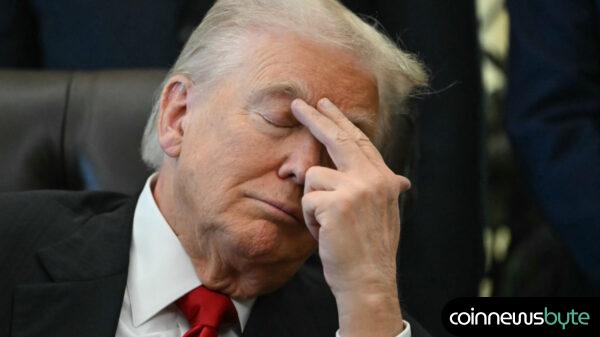
On Thursday, the cryptocurrency industry faced a setback as leaders sought to revive a pivotal market structure bill, which has been delayed due to a recent reversal by Coinbase. This development has led numerous executives to reassess their expectations regarding the bill”s potential passage.
The proposed legislation is deemed essential for establishing a more defined regulatory framework for the crypto markets, aimed at fostering innovation while ensuring the integrity of the market and protecting investors. However, Coinbase”s shift in position has injected uncertainty into the legislative process.
Industry stakeholders are engaged in active discussions about the feasibility of advancing the bill. Various voices within the sector have emphasized the urgency of creating a regulatory structure that supports innovation and addresses the growing need for clarity as digital assets gain mainstream acceptance.
The legislation aims to provide compliance pathways and operational guidelines for cryptocurrency firms, which is critical in a market often characterized by regulatory ambiguity. The delay has sparked debates among industry players, highlighting the ongoing struggle to achieve consensus on regulatory issues.
Proponents of the bill argue that a structured regulatory environment is vital for attracting institutional investments and promoting long-term growth in the cryptocurrency market. However, the current delay reflects the significant challenges in formulating effective regulations.
As the largest cryptocurrency by market capitalization, Bitcoin often serves as a benchmark in regulatory conversations. The proposed bill includes measures that would influence the trading and management of Bitcoin and other digital assets, affecting both institutional investors and retail traders alike.
Regulatory bodies typically emphasize the importance of custody solutions, market integrity, and investor disclosures as part of their oversight of the crypto sector. These factors are crucial for maintaining trust in the financial system and safeguarding investors from potential fraud or market manipulation.
The competitive nature of the cryptocurrency industry adds further complexity to regulatory discussions. Many firms are eager to launch similar products, creating unpredictable timelines for approvals. It is common for proposals to undergo amendments as issuers strive to meet regulatory expectations.
Looking ahead, the future of the bill hinges on ongoing negotiations and potential adjustments. Stakeholders will be vigilant in monitoring any developments, including requests for public comments or changes to the legislation.
The outcome of these discussions will be pivotal for the future trajectory of crypto regulation. The uncertainty surrounding the bill underscores the broader challenges the cryptocurrency sector is facing, including volatility, regulatory ambiguity, and various market risks.
As these factors persist, the industry remains hopeful for a resolution that delivers clarity and promotes growth. The next steps involve continued dialogue among lawmakers, industry leaders, and regulatory agencies to find a balanced path forward that addresses diverse interests while safeguarding the financial ecosystem.
In summary, the delay linked to Coinbase”s reversal has added new layers of complexity to the crypto regulatory landscape. As the industry navigates these challenges, the focus remains on crafting legislation that can evolve alongside a rapidly changing market while ensuring the protection of investors and maintaining market integrity.