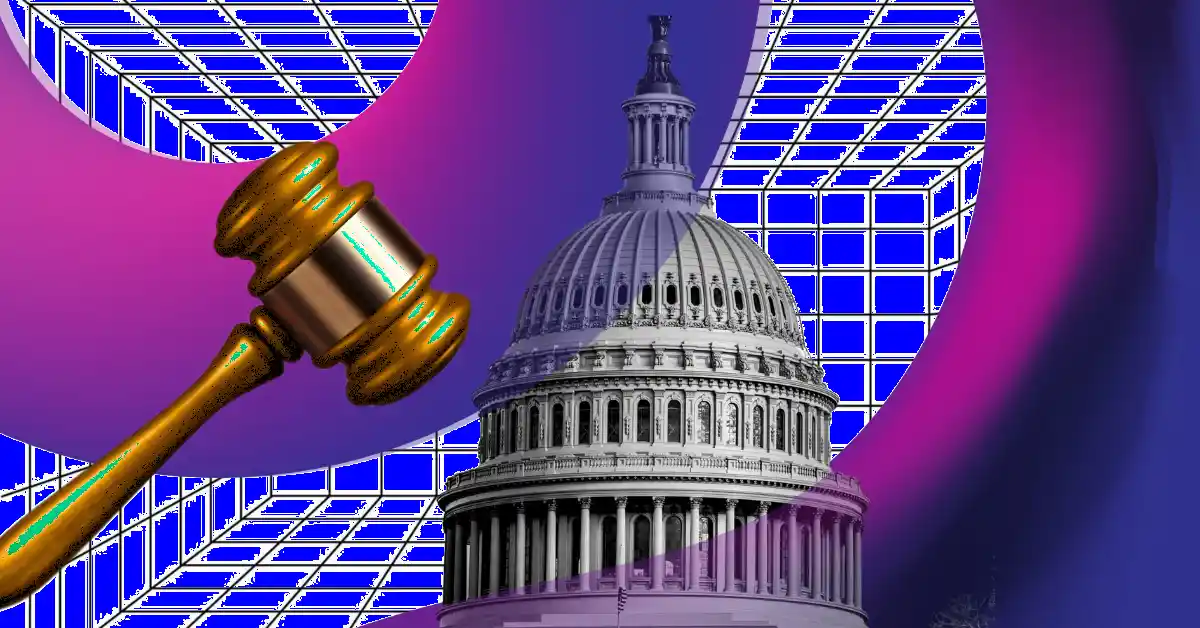
A significant development is unfolding in the U.S. cryptocurrency landscape as the CLARITY Act, a crucial market structure bill, approaches an important markup session in the Senate Banking Committee this week. Central to the discussion is whether issuers of stablecoins should be prohibited from offering rewards on platforms like exchanges.
Reports indicate that Coinbase may reconsider its support for the bill if legislators decide to impose restrictions on stablecoin reward programs. Insiders suggest that Coinbase views these proposed limitations as a direct challenge to user autonomy and its own operational model. Although the company has not issued an official statement, the implication for lawmakers is unmistakable: eliminating rewards could hinder both innovation and engagement within the U.S. cryptocurrency market.
The Importance of Stablecoin Rewards
Stablecoin rewards have emerged as a vital component of various cryptocurrency platforms, providing users with opportunities to earn returns on assets like USDC without relying on conventional banking systems. For platforms like Coinbase, these rewards are far from ancillary; they play a crucial role in overall revenue generation. In the last quarter, stablecoins reportedly generated close to $247 million, while blockchain rewards contributed an additional $154.8 million.
Removing the ability to earn yields on stablecoins that typically return around 3.5% could lead to a substantial decline in revenues for these platforms, weakening incentives for users to engage with regulated digital currencies.
Community Sentiment Against Banking Lobbying
Feedback from the Reddit community reveals a strong opposition to banking interests and a significant support for maintaining stablecoin rewards. Many commenters have derided traditional banks, suggesting that they fear competition and are reluctant to increase deposit interest rates beyond minimal levels. Some users have drawn sharp comparisons, likening banks that resist crypto yields to outdated sectors fighting against progress.
Additionally, criticism has emerged regarding how banks portray themselves as secure while using the misdeeds of certain crypto actors to justify restrictive regulations. Although some voices expressed concern that scams have tarnished the reputation of the crypto space, thus providing banks leverage in legislative discussions, the overall sentiment reflects deep skepticism toward banking lobbying and a strong desire to preserve stablecoin rewards as a beneficial alternative for consumers.
In conclusion, as the Senate Banking Committee deliberates the future of the CLARITY Act, the fate of stablecoin rewards hangs in the balance, with potential implications for innovation and consumer choice in the U.S. cryptocurrency market.