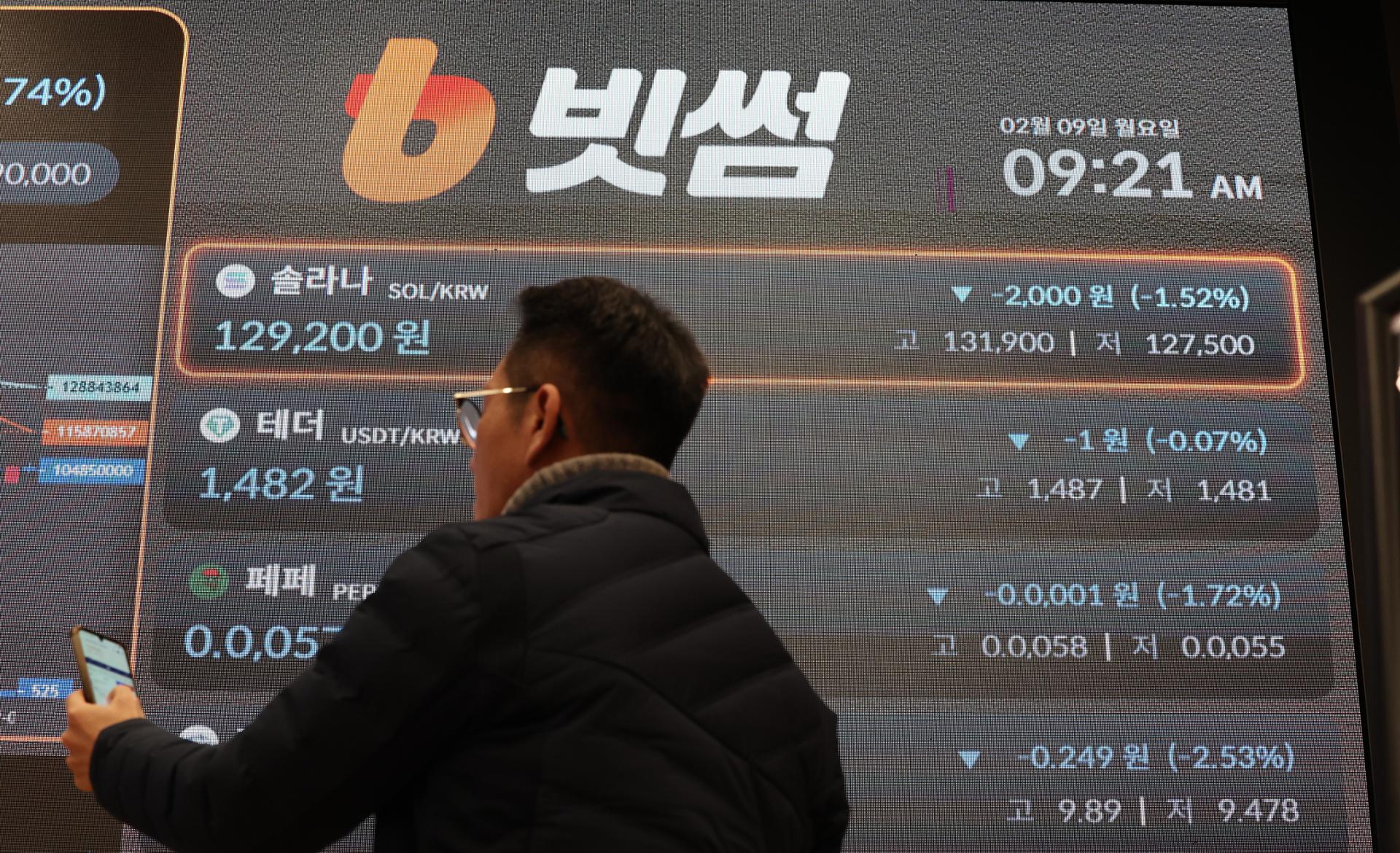
The Financial Supervisory Service (FSS) of South Korea has initiated an investigation into the cryptocurrency exchange Bithumb following a significant error that led to the accidental payout of more than 620,000 bitcoins, equating to approximately 60 trillion won ($41.2 billion). This formal inquiry was announced on Tuesday, just days after the FSS conducted an on-site inspection of the platform.
According to industry sources, regulators notified Bithumb of the investigation on Monday, emphasizing their serious approach to the situation. An FSS official stated, “We are taking this case very seriously,” indicating that the regulatory body intends to enforce strict legal measures against any activities that disrupt market order.
On the previous Friday, Bithumb mistakenly distributed 620,000 bitcoins instead of the intended 620,000 won during a promotional campaign, which incited a rapid sell-off among customers. While the majority of the erroneously sent bitcoins were recovered shortly after the incident, the exchange reported that 1,788 bitcoins had already been sold by users.
Bithumb operates on a “book-entry trading system,” which allows the exchange to maintain electronic records of ownership and transactions internally rather than on a public blockchain. This method, while efficient, can lead to what are termed “phantom balances,” creating potential discrepancies between the displayed balances and the actual reserves held by the exchange.
As of the end of September, Bithumb reportedly held around 42,000 bitcoins, with most of these being entrusted to the exchange by its customers. The ongoing investigation is set against the backdrop of pending legislation concerning virtual assets in the National Assembly, highlighting the urgent need for regulatory clarity in the rapidly evolving cryptocurrency sector.
Lee Chan-jin, governor of the FSS, remarked during a press conference that addressing issues related to “ghost coins” is essential. He also noted that the findings from the Bithumb investigation will play a crucial role in shaping the forthcoming legislation on virtual assets.