




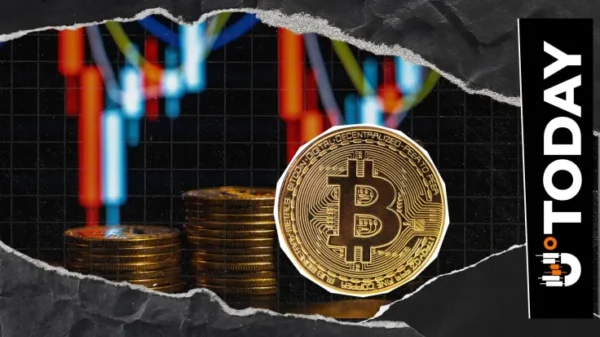





































The cryptocurrency landscape remains turbulent as Bitcoin continues to hover below the $70,000 mark. In February, multiple countries initiated a reevaluation of their tax policies regarding digital currencies, impacting market sentiment. Notably, Japan”s inflation rate has dipped below 2%, contrasting with the higher rates seen in the United States.
In the United States, the total number of crypto ATMs has climbed back to nearly 40,000, signaling a revival of interest in cryptocurrency kiosks. This resurgence comes after a significant decline following the market crash in 2022. Berkshire Hathaway”s CEO, Warren Buffett, recently commented on the attractiveness of the yen compared to dollar investments, highlighting the changing dynamics in global currencies.
February saw discussions about potential changes in crypto tax laws across four nations. In the Netherlands, a proposed tax bill was advanced that would impose a 36% capital gains tax on unrealized gains from savings and liquid investments, including cryptocurrencies. However, this proposal faced backlash, leading the new Dutch cabinet to reconsider the measure.
Meanwhile, in Israel, a lobbying effort has emerged to reform the country”s crypto tax laws, aiming to simplify compliance and relax regulations surrounding stablecoins and tokenization. This initiative reflects the growing interest in digital assets, with over 25% of the public reportedly having engaged in crypto activities over the past five years.
In Hong Kong, the Financial Secretary announced plans to adjust tax laws, aligning with the Organisation for Economic Co-operation and Development”s Crypto-Asset Reporting Framework. This framework aims to enhance transparency and combat tax evasion in the crypto sector.
Conversely, Vietnam has proposed a new tax on crypto transactions, while India continues to uphold a flat 30% tax on crypto gains without allowing for loss offsets, despite calls for reform.
As Bitcoin struggles to surpass the $70,000 threshold, analysts point to various macroeconomic pressures as significant factors. The ongoing debate in the U.S. surrounding the CLARITY Act, which aims to provide a structured framework for cryptocurrency markets, has stalled, contributing to uncertainty in the market. Tariffs imposed by former President Donald Trump have also been identified as a weight on Bitcoin”s price, with market observers noting their negative impact on risk assets.
Additionally, Japan”s inflation decline has potential implications for Bitcoin, as the asset often correlates with U.S. equities. The recent political developments in Japan, including Prime Minister Sanae Takaichi”s push for snap elections, have resulted in a strengthened majority for the Liberal Democratic Party, further influencing market conditions.
Lastly, the number of global crypto ATMs has seen an increase, with 290 new machines added in February alone. This growth reflects the ongoing expansion of crypto services, although regulators remain vigilant regarding the risks associated with these kiosks, such as money laundering and scams. The largest Bitcoin ATM operator in the U.S., Bitcoin Depot, has begun implementing user ID requirements to address regulatory concerns.