












































A developer associated with the decentralized messaging application Bitchat has countered assertions from Ugandan authorities regarding the possibility of blocking the app. This contention arises as the nation approaches national elections, with officials cautioning about potential disruptions to communication.
Authorities in Uganda have claimed they possess the technical capacity to disable Bitchat, with Nyombi Thembo, executive director of the Uganda Communications Commission, stating that they could effectively render the app nonoperational if necessary. This statement coincides with a notable rise in the app”s usage among Ugandans, who are bracing for potential internet outages reminiscent of previous elections.
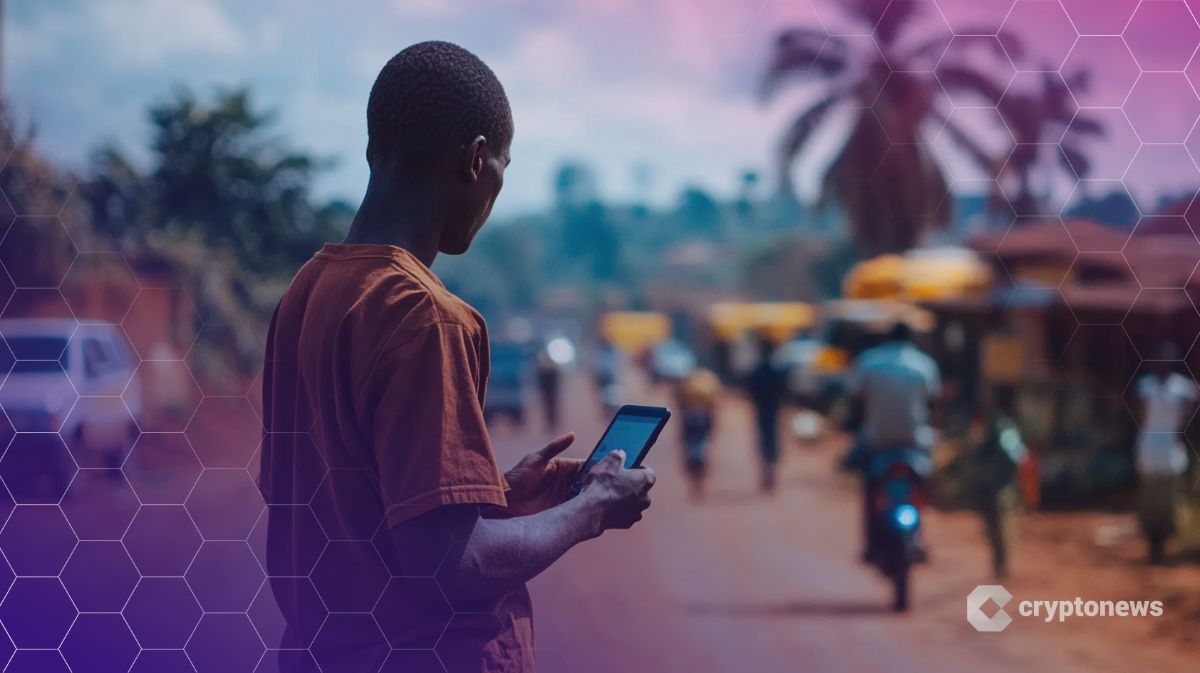
The surge in downloads was catalyzed by Bobi Wine, an opposition leader, who urged his followers to install Bitchat as a backup communication tool amid fears of another internet blackout. Historically, Ugandan authorities have restricted online access during politically sensitive times, including a nationwide internet shutdown in 2016 and a four-day blackout that began on election night in 2021.
In response to Thembo”s assertions, a developer known as Calle took to social media, emphasizing that the decentralized architecture of Bitchat is resistant to shutdown efforts. Calle cited internal statistics indicating that over 400,000 users in Uganda have already downloaded the application. “You can”t stop Bitchat. You can”t stop us,” Calle insisted, calling on local developers to engage with the open-source movement. “Free and open source. Unstoppable. From the people for the people.”
The appeal of Bitchat lies in its reliance on Bluetooth-based mesh networks, allowing encrypted messaging without dependence on traditional internet infrastructure. This functionality is particularly valuable during connectivity disruptions, enabling communication even in the absence of mobile data or broadband services. As detailed in the app”s technical documentation, it operates without central servers and does not necessitate user accounts, phone numbers, or email addresses.
The significance of Bitchat extends beyond Uganda. During a temporary social media ban in Nepal last September, the app witnessed a surge in usage, with tens of thousands of individuals turning to it for communication. Similarly, Bitchat gained traction in Madagascar shortly thereafter. In November, it became one of the most downloaded apps in Jamaica during Hurricane Melissa, when many residents faced connectivity challenges.
As the situation in Uganda unfolds, the ongoing discourse surrounding Bitchat raises critical questions about the future of decentralized applications in politically sensitive environments and their role in ensuring uninterrupted communication.