











































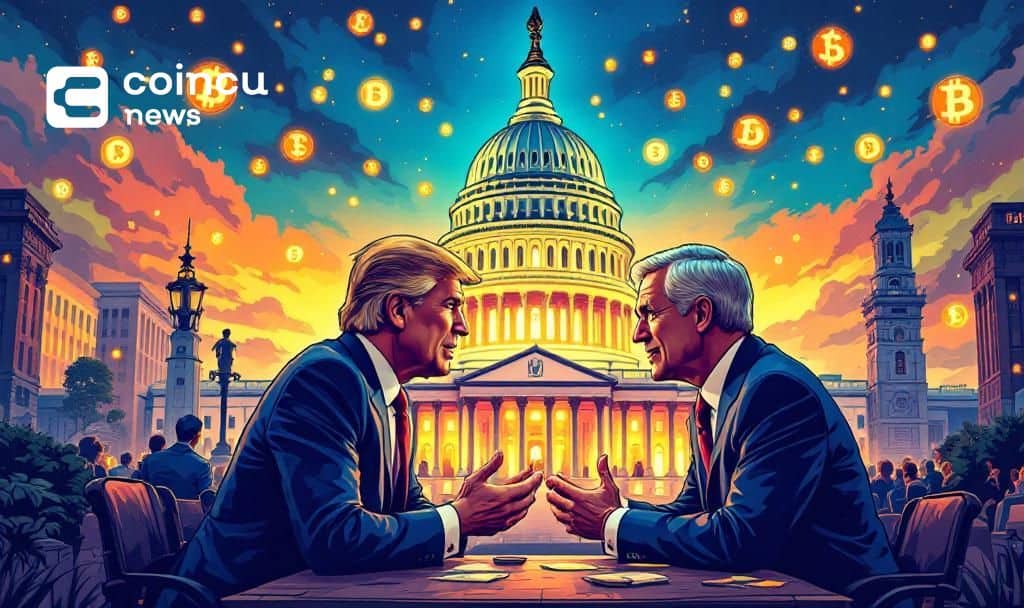
Recent discussions in Washington, D.C. have highlighted the ongoing challenges facing bipartisan negotiations regarding a new cryptocurrency bill. As the Senate prepares for a review on January 15, 2024, key demands and party divides have emerged, particularly concerning decentralized finance (DeFi) regulations and asset classification.
The meeting, led by Senate Banking Committee Chair Tim Scott, brought together members from both the Democratic and Republican parties. Democrats are advocating for stricter compliance rules for DeFi platforms, along with enhanced authority for the Treasury Department. These proposed changes could significantly alter the regulatory landscape for how crypto assets are classified and how DeFi platforms operate.
According to industry insights from Fireblocks, there is an expectation for a greater focus on DeFi by 2026, particularly as the Securities and Exchange Commission (SEC) considers an “innovation exemption” as part of the broader market structure bill. This evolving situation reflects a critical moment for regulatory clarity that could have profound implications for the cryptocurrency market and investor protections.
Community reactions to the legislative discussions have been varied. Alex Thorn, Director of Galaxy Research, noted that many issues remain unresolved, casting doubt on the likelihood of achieving a bipartisan consensus before the impending review date. As Republicans push for a swift markup of the bill, uncertainties continue to loom over the negotiations.
The implications of these discussions also tie back to previous legislation, such as the GENIUS Act of 2025, which has implications for stablecoin yield regulations and influences current bipartisan talks on compliance and anti-evasion strategies in the cryptocurrency sector.
In the current market landscape, Ethereum (ETH) is trading at $3,258.09, with a market capitalization of $393.23 billion. Over the past 24 hours, ETH has shown a slight increase of 1.04%, though it remains down 26.80% over the last 90 days, underscoring the market”s volatility amid this regulatory uncertainty. As the situation continues to develop, market dynamics will likely be influenced by the outcome of these legislative discussions.
As the Senate approaches the January 15 review, the outcome of these negotiations will be pivotal in shaping the future of cryptocurrency regulations in the United States.