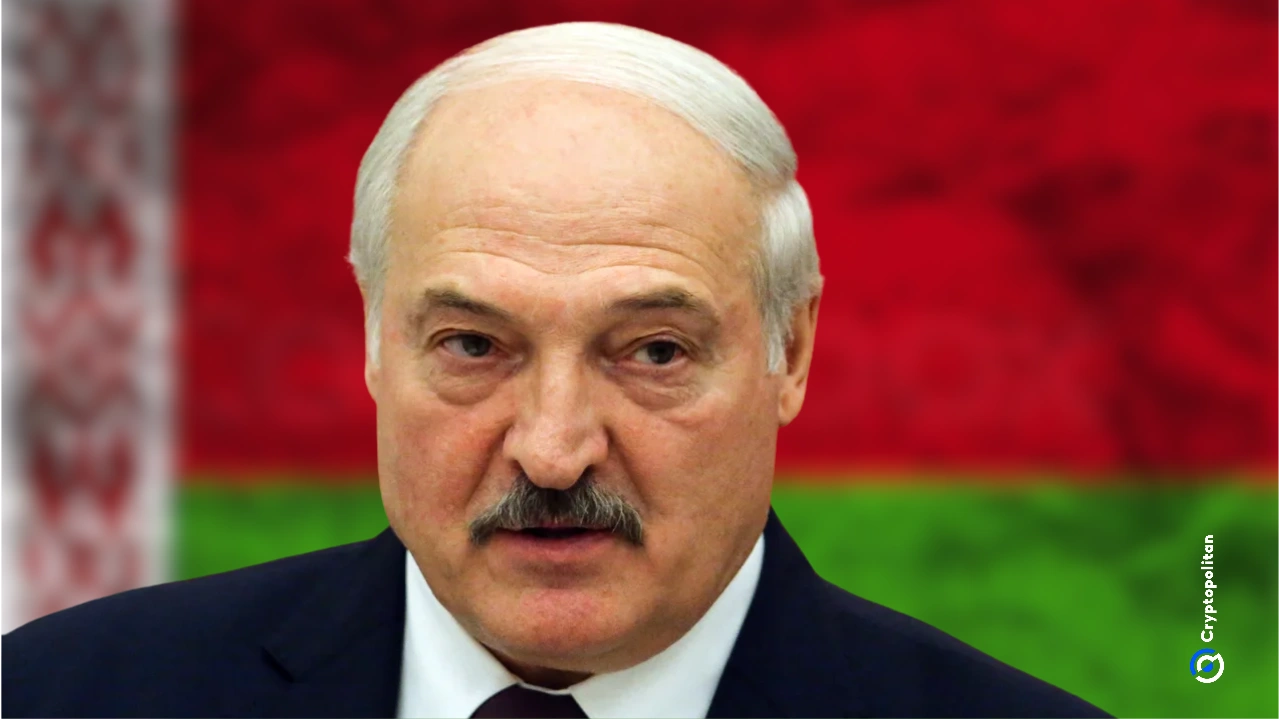
In a significant move for the cryptocurrency sector, Belarus has officially legalized the operation of cryptocurrency banks as part of a decree signed by long-serving President Alexander Lukashenko. This decree, known as Decree No. 19, was enacted on January 16 and is poised to position Belarus as a frontrunner in the Eastern European digital finance arena.
The objective of the decree is to bolster Belarus”s reputation in financial IT technologies and facilitate the establishment of cryptocurrency banks within its borders. These entities, defined as joint-stock companies, are permitted to engage in activities involving “digital tokens,” a term that encompasses cryptocurrencies as per Belarusian legislation. They will also be allowed to conduct various banking and payment transactions, expanding the scope of financial services available in the country.
To operate legally, these crypto banks must be based in the High-Tech Park (HTP) located in Minsk and must register with the National Bank of the Republic of Belarus (NBRB), which will maintain a dedicated registry for such institutions. The HTP offers a favorable legal environment, including tax exemptions and other benefits for IT businesses, especially those involved with digital assets.
Officials have emphasized that the new regulatory framework aims to attract foreign investment by creating an appealing environment for innovative financial products that blend traditional banking with modern financial technologies. This dual licensing approach will enable crypto banks to serve clients efficiently, ensuring quick and convenient transactions involving digital currencies.
Belarus is notable for being one of the first countries in the post-Soviet region to implement comprehensive regulations for cryptocurrency activities. The government”s initiative began with an earlier decree in December 2017, which legalized activities such as mining and trading, laying the groundwork for a regulated crypto market.
As the crypto landscape continues to evolve, Lukashenko has urged authorities to keep pace with industry developments, particularly emphasizing the importance of cryptocurrencies for payment systems. Amid international sanctions, Belarusians have increasingly turned to digital coins for cross-border transactions, making this regulatory advancement even more critical.
In light of this latest decree, NBRB”s First Deputy Chairman Alexander Egorov has indicated that the establishment of Belarus”s first crypto bank could occur within months. He stated that the central bank would collaborate with potential investors, both domestic and international, to facilitate the swift launch of these financial institutions. Furthermore, these crypto banks are expected to integrate both traditional banking functions and cryptocurrency exchange capabilities, allowing for a unified operational framework.
The decree also permits self-employed individuals to receive payment in cryptocurrencies, provided these transactions are facilitated through a licensed crypto bank. Customers will be able to access bank cards linked to their crypto accounts and utilize digital assets as collateral for loans.
Overall, the NBRB plans to implement stringent requirements for these cryptocurrency banks, ensuring the secure storage of client funds and their immediate accessibility, thereby enhancing consumer trust in this burgeoning sector.