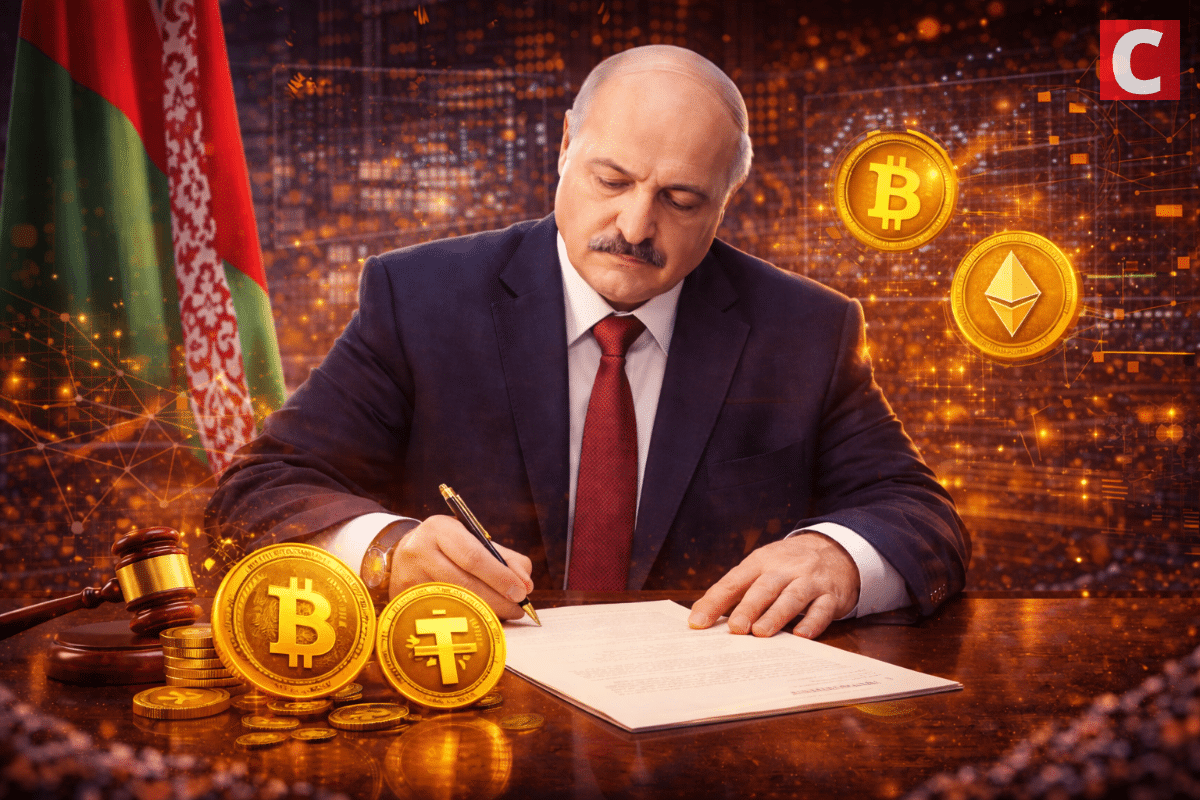
In a significant move for the cryptocurrency landscape, Belarusian President Alexander Lukashenko has enacted a new decree aimed at creating a framework for “cryptobanks.” This initiative, formalized through Decree No. 19 on January 16, allows these specialized financial institutions to integrate token operations with conventional banking and payment systems.
The newly established cryptobank framework is tailored for joint-stock companies operating within the High-Tech Park (HTP), a state-sponsored economic zone in Belarus. This decree represents a pivotal shift in the financial regulatory environment, as it permits these entities to merge digital token activities with traditional banking operations, fostering greater technological efficiency and convenience for transactions.
However, the decree imposes certain conditions for cryptobanks to operate. Primarily, these entities must possess resident status within the HTP and be registered in a specific register maintained by the National Bank of the Republic of Belarus. Once operational, cryptobanks will be required to adhere to existing laws governing non-bank credit and financial organizations and implement directives from the HTP”s supervisory board.
Prior to this decree, in March, Lukashenko urged for the development of the national crypto-mining sector, advocating for the establishment of data centers in regions abundant in energy resources. This indicated a broader strategy to enhance Belarus”s standing within the global cryptocurrency ecosystem.
Despite these advancements, Belarus has also shown a cautious approach towards cryptocurrency exchanges. In December 2025, the government imposed restrictions on access to several prominent exchanges, including Bybit and OKX, effectively blocking users from Belarusian IP addresses from engaging with these platforms. This decision was enacted under an order from the Ministry of Information, highlighting the ongoing tension between regulatory oversight and the burgeoning crypto market.
As governments worldwide intensify efforts to regulate the cryptocurrency sector, Belarus”s latest decree could serve as a test case for the integration of digital finance within traditional banking systems. The success of this framework will largely depend on the willingness of market participants to engage under the new regulatory conditions and the overall response from the crypto community.