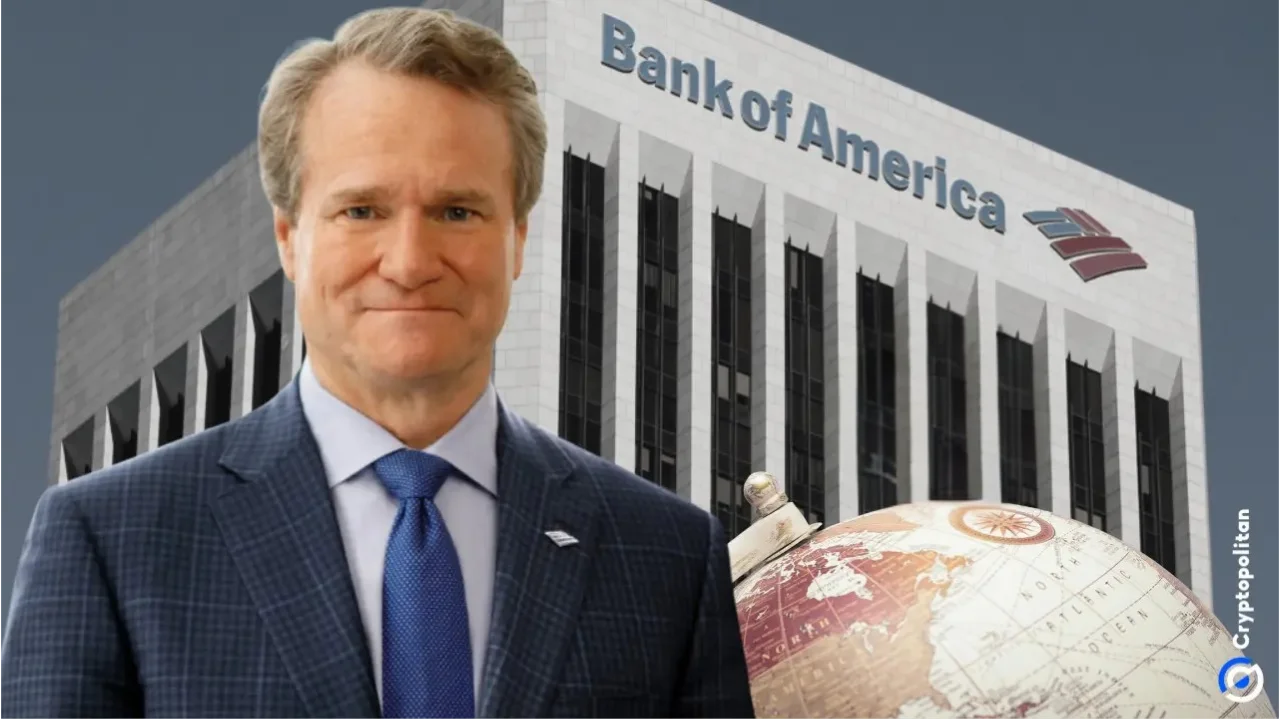
The CEO of Bank of America, Brian Moynihan, has expressed optimism regarding the potential easing of tariffs imposed by former President Donald Trump. During a recent interview on CBS News” Face the Nation, Moynihan indicated that these tariffs, which have notably impacted the economic growth of the United States, may begin to decline by 2026.
Moynihan emphasized that his outlook is centered on a trend towards “de-escalation, not escalation.” He noted that average tariffs currently hover around 15%. However, he acknowledged that certain countries may still face higher rates if they challenge U.S. trade practices or implement non-tariff barriers.
The comments come as the market continues to grapple with the ongoing implications of Trump”s tariff policies. Moynihan explained that an increase from a 10% to a 15% rate across most countries is not a dramatic shift, suggesting that market tensions are beginning to ease. Historical context reveals that Trump originally set a 10% tariff on all imports, which was later expected to rise to approximately 15.2% for key trading partners.
Data indicates that following Trump”s administration”s actions, the average tariff rate in the U.S. surged from 2% to 14%. Moynihan also pointed out that while small businesses faced significant hurdles due to these tariffs, their most pressing challenge now appears to be finding suitable employees, a concern that emerged amid changing immigration policies.
Discussions surrounding the legality of these tariffs have intensified, particularly with Kevin Hassett, Director of the National Economic Council during the Trump administration, suggesting confidence in a favorable Supreme Court ruling. Analysts have warned that a ruling against the tariffs could lead to the removal of several tariffs and potential compensation of up to $100 billion for affected parties.
Hassett also mentioned a potential plan for $2,000 tariff rebate checks, a proposal previously floated by Trump, which he now believes has a greater chance of moving forward. He expects that Trump will formally present this idea to Congress next year.
As the economic landscape evolves, the future of Trump”s tariff policies remains a hot topic, influencing not only trade dynamics but also broader market sentiment.