







































As 2025 unfolds, Asia”s cryptocurrency landscape is witnessing significant transformations driven by heightened government regulations and increased institutional engagement. A report reveals that Iran”s crypto ecosystem has surged to $7.78 billion, indicating a robust shift towards digital currencies amidst ongoing sanctions.
The Islamic Revolutionary Guard Corps (IRGC) has played a pivotal role, accounting for more than 50% of all crypto inflows, which totals over $3 billion. This development highlights Iran”s strategy to create a parallel financial system that leverages Bitcoin mining and stablecoins, enabling the nation to navigate outside the constraints of the U.S. dollar.
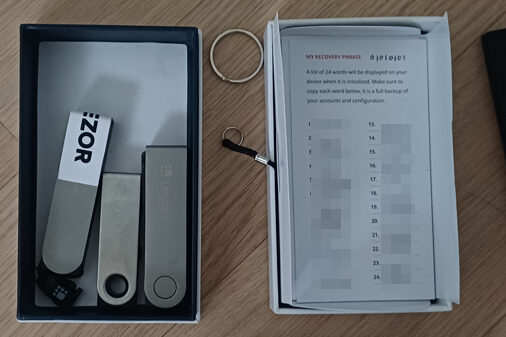
In a related move, Russia has enacted a law permitting the seizure of virtual currencies, categorizing them as intangible assets. This legislation facilitates law enforcement”s ability to confiscate crypto holdings in criminal cases, allowing for the transfer of these assets to secure addresses via hardware wallets.
South Korea”s regulatory environment is also evolving, albeit with some challenges. A recent incident involving the National Tax Service (NTS) mistakenly exposing a hardware wallet seed phrase led to the transfer of approximately 4 million PRTG tokens, valued at around $4.8 million. This incident underscores the importance of secure handling of digital assets.
The Bank of Korea has reiterated its call for commercial banks to spearhead the issuance of Korean won stablecoins, expressing concerns over the risks posed by private issuances. As the country continues to refine its regulatory framework, major players like Tether and Circle are actively expanding their presence in the South Korean market.
Meanwhile, Japan is making strides in the crypto sector as well. The Financial Services Agency (FSA) has announced support for a series of anti-money laundering trials scheduled from March to May 2026. These trials will involve a collaborative effort among exchanges, stablecoin firms, and blockchain analytics companies.
Additionally, Japan”s largest security token platform, Progmat, is preparing to migrate over $2 billion in tokenized assets to the Avalanche blockchain by June 2026. This migration includes tokenized real estate and corporate bonds, representing a significant advancement in asset digitization.
Further demonstrating Japan”s commitment to crypto adoption, Daido Tokushu Metal, a publicly listed company, has received board approval to invest up to 1 billion yen in Bitcoin as part of its mid-term management strategy.
China, too, is taking steps to integrate crypto into its legal framework. The Supreme People”s Court has indicated plans to review judicial responses to virtual currency cases, aiming to bolster financial protections for emerging asset classes. A recent report shows that China ranks second globally in stablecoin inflow volume, attracting approximately $71 billion monthly.
Together, these developments across Asia illustrate a rapidly changing crypto landscape, where government regulations and institutional engagement are shaping the future of digital currencies and blockchain technology.