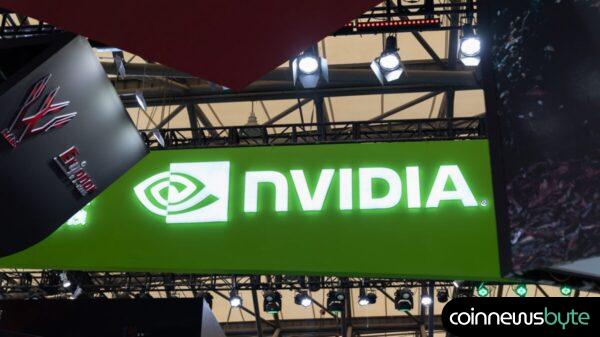




































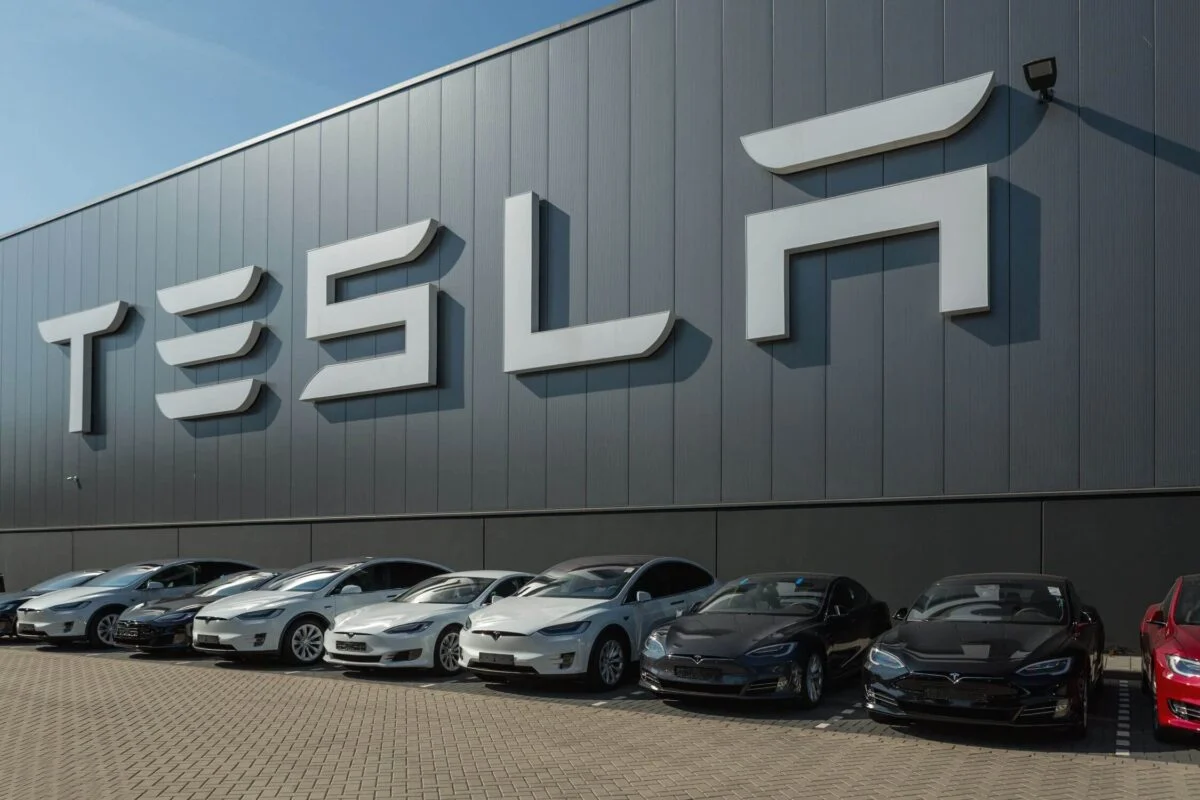
Tesla”s stock experienced a notable decline of 4% on Tuesday, closing at $432.96. This drop followed Nvidia”s unveiling of Alpamayo, an open-source artificial intelligence model aimed at enhancing autonomous vehicle development at the Consumer Electronics Show (CES) 2026.
The decline pushed Tesla”s stock below its 50-day moving average, with critical technical support now identified around the $420 mark. Nvidia”s initiative is seen as a significant move to democratize self-driving technology, putting Tesla”s Full Self-Driving (FSD) capabilities at risk. This announcement comes at a time when Tesla also lost its title as the world”s largest electric vehicle (EV) seller to China”s BYD in the fourth quarter.
Investor sentiment turned negative as the stock retreated from recent highs near $498, with trading volume surging during this selloff, indicating heightened concern among shareholders. Technical indicators point to a weakening momentum, with resistance now established between $450 and $460 and a potential drop looming toward $380-$400 if the $420 support level fails.
The Relative Strength Index (RSI) currently sits between 40 and 45, reflecting the diminishing bullish momentum. Additionally, the flattening of the 20-day and 50-day moving averages raises flags for a possible trend reversal. Tesla”s beta of 1.8 suggests that the stock is more volatile compared to the broader market.
Valuation metrics reveal Tesla”s forward price-to-earnings (P/E) ratio exceeding 70, leaving the company vulnerable to market fluctuations amid competitive threats. A breach of the $420 support could trigger further technical selling.
Nvidia”s open-source approach lowers entry barriers for both established automakers and emerging EV startups, allowing those that previously struggled to match Tesla”s capabilities access to advanced AI tools. This shift threatens to dilute Tesla”s competitive edge in the realm of autonomous driving.
In response to Nvidia”s announcement, Elon Musk asserted that true autonomy for competitors remains five to six years away, but market reactions suggest otherwise, leading to the stock”s decline. Despite the launch of Tesla”s FSD v14 software late last year, which continues to operate as an assisted driving system rather than a fully autonomous solution, the competitive landscape is evolving rapidly.
In a further setback, BYD reported higher global deliveries than Tesla in Q4, marking a significant shift in the EV market. Although President Donald Trump praised Musk as a “great innovator,” this support did little to alleviate investor concerns regarding competition.
Analysts are divided on Tesla”s future prospects. Supporters highlight long-term potential in areas like robotics and energy storage, while critics point to high valuations and execution risks. Recent price movements suggest a growing influence from bearish investors.
Price trends since late December indicate a descending channel pattern, with rejection at around $455 reinforcing the resistance level. As Q4 earnings approach later this month, Tesla”s stock is expected to fluctuate between $420 and $470. A breakthrough above $470 would necessitate positive guidance on deliveries or advancements in robotaxi technology.
As of January 7, Tesla trades at $434.95, facing a critical juncture in its market trajectory.