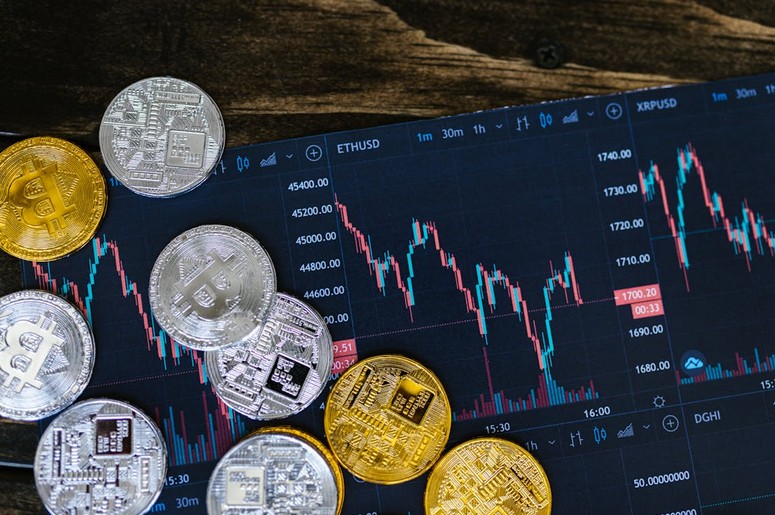
In the unpredictable landscape of cryptocurrency trading, savvy investors are increasingly turning to real-world metals as a hedge against market volatility. The rapid fluctuations in digital asset prices can lead to significant losses, often triggered by regulatory changes or unforeseen outages. When these events occur, traders who have invested solely in digital currencies may find themselves exposed and vulnerable.
Smart traders recognize that relying exclusively on digital assets can be risky. The volatility of cryptocurrencies like Bitcoin and Ethereum can create immense pressure, especially when prices shift dramatically within short time frames. This unpredictability not only affects market sentiment but also influences liquidity and regulatory environments.
By incorporating precious metals such as gold and silver into their portfolios, traders can establish a buffer against this chaos. Unlike cryptocurrencies, metals do not experience wild price swings and can provide a level of stability during tumultuous market conditions. This protective strategy allows traders to secure some of their wealth in assets that are less susceptible to the rapid changes that characterize the crypto market.
Investing in tangible metals offers several advantages. For one, assets like silver and gold do not depend on digital infrastructures, which are prone to hacks, outages, and regulatory complications. Traders can buy, store, and sell these materials without needing to rely on third-party platforms, thereby minimizing risks associated with digital storage and access.
Moreover, during crashes in the cryptocurrency market, the speed at which prices can fall often leaves traders with little time to react. This can turn capital tied up in digital assets into a liability. Precious metals, by contrast, tend to maintain a more stable value and do not follow the same rapid decline patterns as cryptocurrencies, offering a safeguard for wealth preservation.
In times of financial uncertainty, the metal market provides clear pricing and liquidity, making it easier for traders to make informed decisions. For instance, platforms like Monex facilitate the acquisition of 90% junk silver coins, enabling investors to hedge effectively without grappling with the volatility associated with tokens.
Physical metals operate independently of digital systems, which adds a layer of security that traders value. Since they are not tied to any operational platform, issues such as system outages do not impact their ownership or liquidity.
Furthermore, metals hold long-term purchasing power, a characteristic that fiat currencies lack due to inflationary pressures. While digital currencies can also be subject to inflation, precious metals have historically maintained their value over time, providing a hedge against economic instability.
Diversifying a portfolio with metals reduces correlation with cryptocurrencies, which often move in tandem during market shifts. By investing in metals, traders can achieve smoother performance across their portfolios, as these assets may rise when cryptocurrencies falter.
Ultimately, the decision on how to invest in metals varies by individual preference and risk tolerance. Traders can choose from options like physical coins, junk silver, tokenized metals, allocated vault storage, or precious metal ETFs, each offering different levels of control and risk exposure.
As the crypto landscape continues to evolve, the integration of real-world metals into trading strategies is becoming a prudent approach for maintaining stability in an unpredictable environment. In a market characterized by uncertainty, the focus should not only be on speed but also on establishing a solid foundation for long-term wealth preservation.