








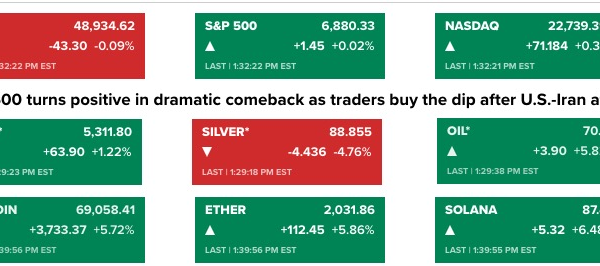





































The Pound Sterling has seen a significant decline, trading near the 1.3300 level against the US Dollar as of April 2025. This notable movement reflects a shift in global currency dynamics, primarily influenced by escalating geopolitical tensions that have prompted a strong flight to safety. Investors are increasingly shifting their capital into traditional safe-haven assets, bolstering the US Dollar”s position.
The GBP/USD currency pair, a vital indicator in international finance, has faced continuous selling pressure throughout the trading week. Current market data highlights the pair”s descent towards the critical psychological support zone of 1.3300, marking a multi-month low not observed since the market volatility of late 2024. Analysts suggest that this weakness is largely due to external risk factors rather than domestic economic issues within the UK.
The primary driver behind the Pound”s decline is a pervasive “risk-off” sentiment that has swept through global markets. As geopolitical tensions escalate, traders tend to reduce their exposure to currencies deemed riskier, such as the Pound, in favor of the US Dollar, which is viewed as a safe haven. Recent economic indicators from the United Kingdom have shown a mixed performance; while some sectors display resilience, there are ongoing concerns regarding the UK”s economic growth pace relative to other major economies.
The influence of the Bank of England”s policy direction remains pivotal for traders, yet it has been overshadowed by a dominant demand for dollar liquidity and safety. This scenario presents a challenging situation for the Pound, where its inherent strengths are being undervalued amidst widespread macroeconomic fears.
Ongoing geopolitical tensions have reinforced the US Dollar”s status as the primary safe-haven asset. Current global uncertainties, including renewed trade disputes and military posturing in various regions, have introduced substantial unpredictability into the economic outlook. Historically, during times of international conflict, capital tends to flow toward the US Treasury market and the Dollar. The current landscape in 2025 is no exception, illustrating a self-reinforcing cycle where the appreciation of the Dollar increases the cost of dollar-denominated debt for emerging markets, which may hinder global trade and growth, consequently driving further demand for the safe-haven Dollar.
Key factors contributing to the surge in demand for the Dollar include:
- Escalating Regional Conflicts: Ongoing and potential conflicts disrupt supply chains and commodity flows.
- Trade Policy Uncertainty: Changes in international trade agreements and tariffs affect corporate earnings forecasts.
- Central Bank Divergence: The Federal Reserve”s policies compared to those of other central banks shape yield differentials.
- Commodity Price Volatility: Sudden shifts in oil and gas prices affect inflation and growth expectations globally.
Experts in financial markets emphasize the technical significance of the 1.3300 level for GBP/USD. Michael Chen, a senior currency analyst at Global Forex Insights, remarked, “A sustained break below 1.3300 could open the path toward 1.3100. The market is currently dominated by momentum-driven flows rather than long-term valuation models.” This perspective is supported by trading desk reports indicating a notable rise in short positions on Sterling. Meanwhile, the US Dollar Index (DXY), which measures the Dollar against a basket of six major currencies, has surged to its highest level in over a year, underscoring a systemic shift favoring the Greenback.
The weakening Pound Sterling is likely to have immediate implications for the UK economy. A depreciating currency typically raises the cost of imports, potentially intensifying inflationary pressures. Conversely, it can make British exports more competitive on the global market. The net effect will depend on the trade balance and the persistence of the currency”s decline. For firms involved in international trade, this volatility necessitates effective hedging strategies to mitigate unpredictable currency exposure.
The Bank of England will closely observe these developments, as a significantly weaker Pound could impact future monetary policy decisions, especially in the context of combating inflation. Looking ahead, the trajectory of GBP/USD will be closely tied to two interrelated narratives: the progression of geopolitical tensions and the comparative economic performance of the UK versus the US. If global tensions ease, the Pound may regain lost ground as focus shifts back to economic fundamentals and interest rate differentials. Conversely, further deterioration in international security is likely to prolong the dominance of the US Dollar.
Market participants should remain vigilant regarding key data releases, including inflation reports and GDP figures from both countries, as well as any diplomatic developments that could reshape the global risk environment.
In conclusion, the decline of the Pound Sterling towards 1.3300 against the US Dollar serves as a clear indicator of heightened global anxiety. This movement is fundamentally driven by geopolitical risks that bolster demand for the US Dollar as the ultimate safe-haven asset. While domestic factors in the UK play a role, the prevailing market force is a systemic flight to safety. Understanding this dynamic is essential for investors, businesses, and policymakers navigating the current volatile financial landscape.