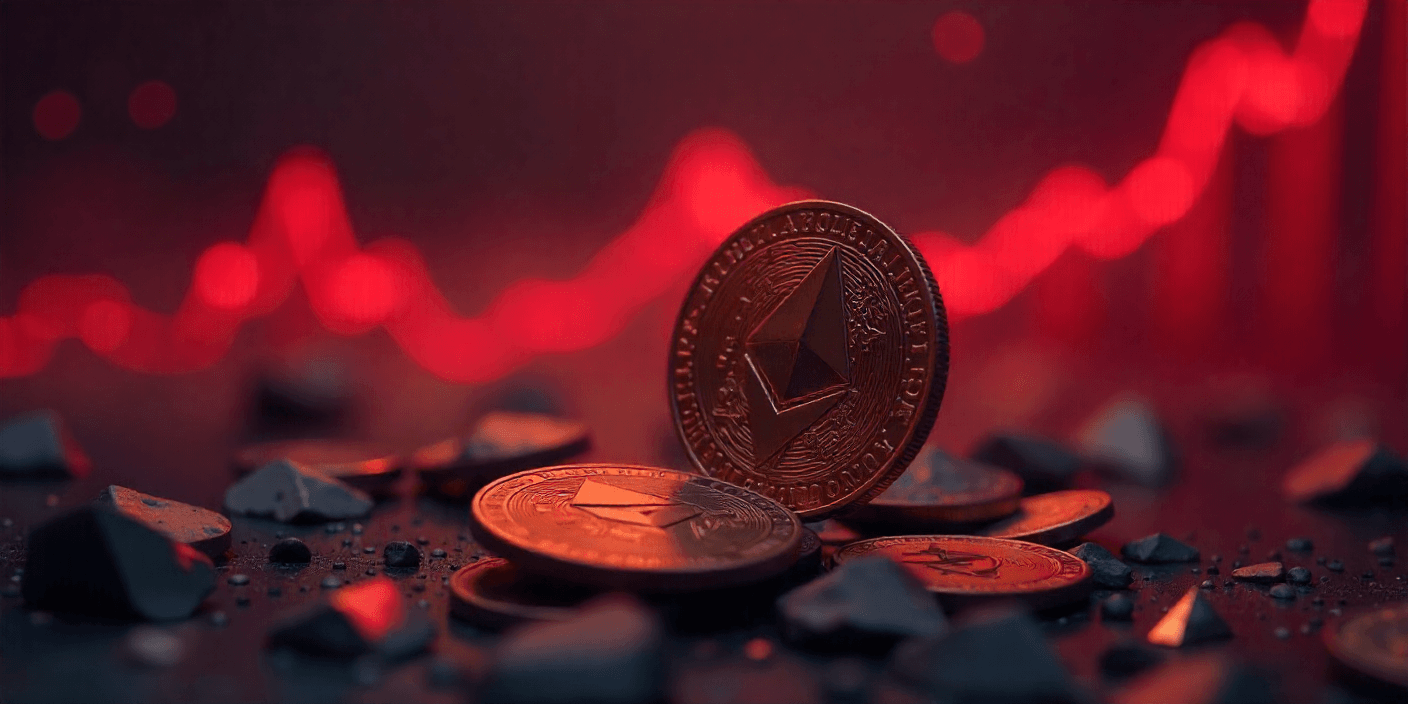
The price of Ethereum has recently fallen to approximately $3,200, reflecting a broader “risk-off” attitude in global markets driven by ongoing trade tensions between the US and the EU. On January 19, 2026, the cryptocurrency experienced a decline of around 3%, paralleling the struggles of Bitcoin to stay above $92,000. However, despite this downward pressure, on-chain data indicates a more positive outlook for Ethereum as large investors, often referred to as “whales,” are actively buying into the dip.
Currently, Ethereum is positioned near the lower edge of its upward price channel. Analysts note that the support range between $3,100 and $3,200 is critical for maintaining the current uptrend. Immediate resistance is identified at the $3,350 level; a daily close above this mark could potentially catalyze a rally toward $3,500 or higher. Conversely, a failure to hold the psychological support at $3,000 may trigger a deeper retracement towards liquidity levels around $2,700. Investors typically analyze different exchanges to identify the best liquidity options for navigating such volatile price movements.
While retail sentiment appears to be cautious given the current market dynamics, institutional whales are viewing this downturn as an advantageous buying opportunity. Recent on-chain analytics reveal that significant amounts of ETH are being withdrawn from Binance by large investors. One notable entity, identified as an “Insider Whale,” has added 20,000 ETH to its wallet, increasing its total holdings to over $730 million. This trend of aggressive accumulation suggests that major players are positioning themselves for a potential recovery, possibly buoyed by ongoing developments related to the “CLARITY Act” and continuous inflows into spot ETFs.
The recent escalation in tariff threats between Washington and Brussels has been a primary factor contributing to the cooling of markets, affecting both traditional equities and digital assets. Ethereum is particularly sensitive to changes in global liquidity, but its decentralized framework continues to advance. In a relevant discussion, Vitalik Buterin emphasized the necessity for improved decentralized autonomous organizations (DAOs) that leverage AI and zero-knowledge technologies to enhance governance mechanisms.
For long-term holders, securing assets in hardware wallets remains a crucial strategy during periods marked by significant macroeconomic volatility. The current “coiling” phase of Ethereum often precedes substantial price movements, and with exchange reserves at multi-year lows coupled with strong whale demand, the existing supply-demand imbalance may pave the way for a swift reversal, especially if trade tensions begin to ease.
To stay informed about the latest developments, readers are encouraged to check our crypto news section for real-time updates.