
















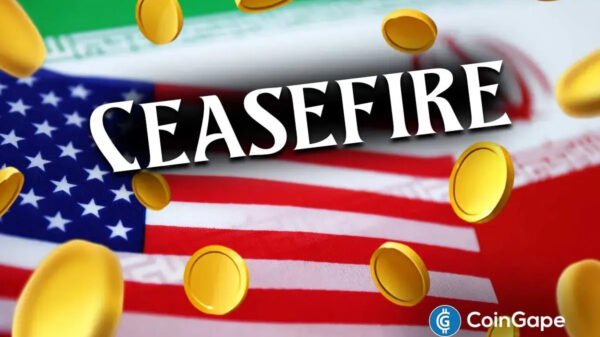
























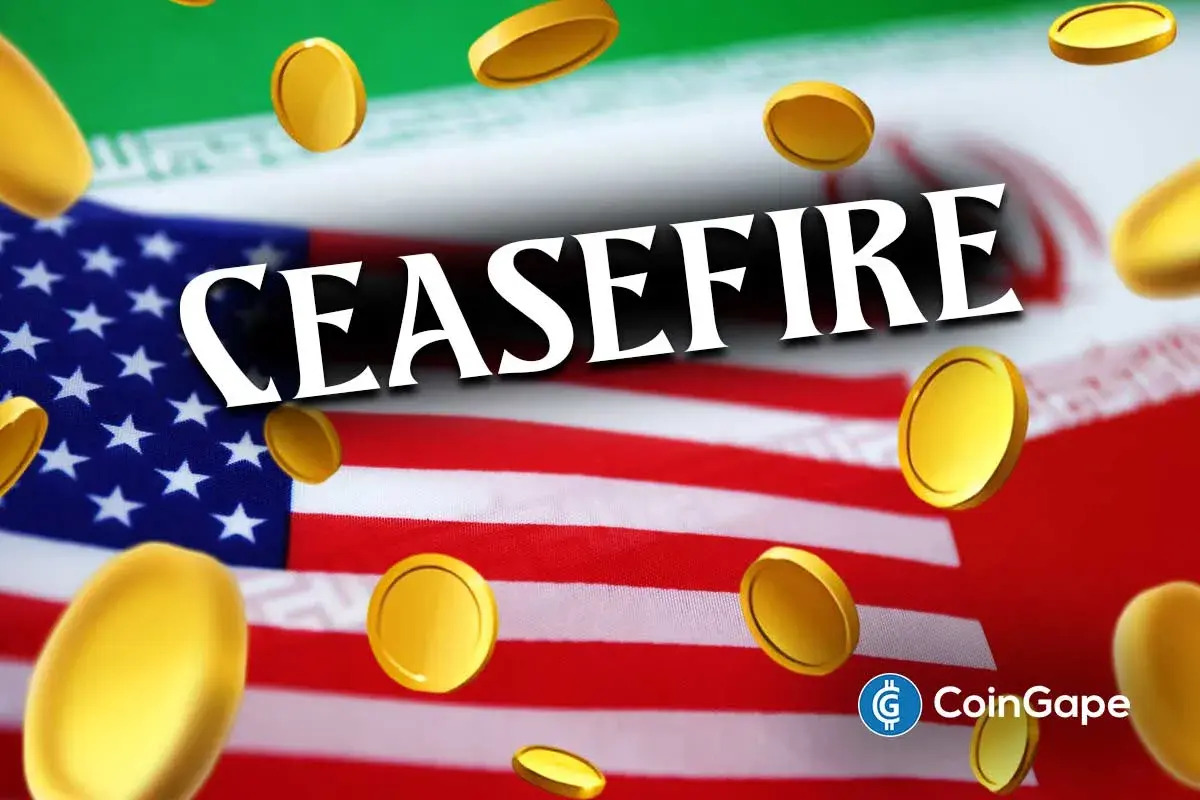
Confidence in a U.S.-Iran ceasefire this month has noticeably diminished within cryptocurrency prediction markets. Traders are recalibrating their expectations as the conflict persists, leading to a market sentiment that a diplomatic resolution in the near term appears increasingly uncertain.
Data from Polymarket shows that the likelihood of a ceasefire between the U.S. and Iran before March 31 is currently assessed at just 29%. This marks a significant drop from earlier assessments, which had predicted a probability exceeding 60% following U.S. and Israeli airstrikes against Iran over the weekend.
The reduction in ceasefire expectations can be attributed to statements made by former President Donald Trump, who indicated that additional airstrikes would target Iran and suggested that U.S. military actions could last up to four to five weeks. Consequently, the outlook for an immediate ceasefire has taken a hit.
Long-term predictions, however, paint a somewhat more optimistic picture. Contracts indicate a 48% chance of a ceasefire by the end of April, with expectations rising to over 65% for May. The trading volume for these ceasefire contracts has surpassed $12 million, reflecting heightened interest in the situation.
Despite the lively trading in these markets, war prediction markets have faced scrutiny from U.S. lawmakers. Several Democratic representatives have criticized the appropriateness of such markets, suggesting they could enable insiders to benefit from sensitive information. Recently, Polymarket was compelled to withdraw contracts concerning the detonation of a nuclear bomb anywhere in the world due to similar concerns.
On the diplomatic front, reports emerged suggesting that Iranian operatives allegedly made indirect contact with the CIA to negotiate terms for ending hostilities. However, the Iranian government has categorically denied these claims, labeling them as “pure falsehood and psychological warfare,” according to a report from the Tasnim News Agency.
Financial implications of the ongoing conflict remain substantial, with the Pentagon estimating that the cost of engaging in warfare against Iran is approximately $1 billion daily. This financial burden is particularly concerning for a nation already grappling with significant debt levels.
Simultaneously, the cryptocurrency market is also being closely monitored in the context of the war. A recent analysis by JPMorgan highlighted that, despite Bitcoin”s recent surge to $74,000, the cryptocurrency remains at risk of a decline. The bank referred to the Ukraine conflict to illustrate how markets typically react during prolonged geopolitical crises.