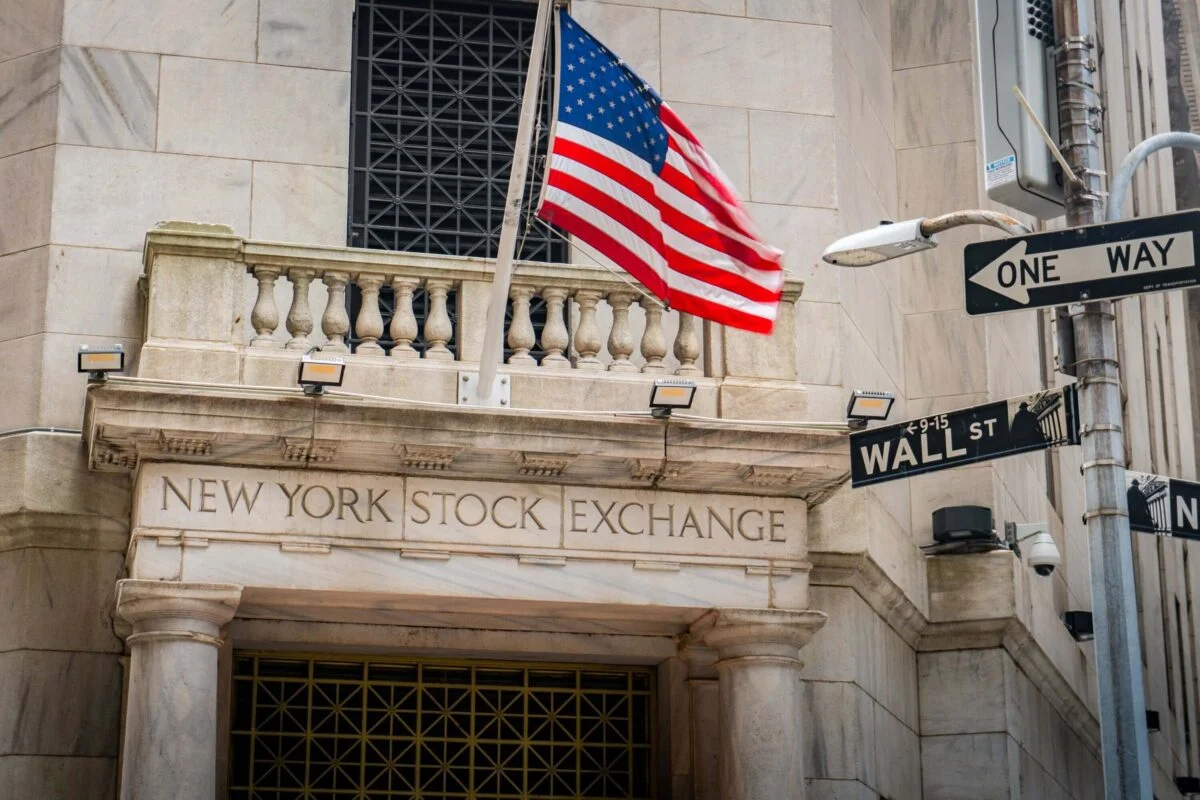
The New York Stock Exchange (NYSE) and Nasdaq will operate on a reduced schedule for Black Friday in 2025, opening at 9:30 a.m. EST and closing at 1 p.m. EST. This early closure means that traders have only three and a half hours of market activity on this day.
Bond markets, however, will have a slightly different schedule, opening at 8 a.m. EST and closing at 2 p.m. This gives participants in the fixed-income markets a six-hour window for trading.
Black Friday, which follows Thanksgiving, is known for being one of the busiest shopping days in the United States, signaling the start of the holiday shopping season. According to projections from Adobe Analytics, online sales during the holiday season from November 1 to December 31 are expected to reach $253.4 billion, reflecting a 5.3% increase compared to the previous year.
The National Retail Federation anticipates retail sales growth between 3.7% and 4.2% for the months of November and December. Specifically, Black Friday sales alone are projected to hit $11.7 billion, an 8.3% increase from 2024, while Cyber Monday, the largest single shopping day, is expected to bring in $14.2 billion in sales.
Despite the U.S. holiday, international stock exchanges such as the London Stock Exchange, Tokyo Stock Exchange, and others will maintain their regular trading hours. U.S. banks and major logistics services like the U.S. Postal Service and UPS will continue to operate as usual on this day, with only FedEx Freight halting services.
Historically, the S&P 500 has shown positive performance during the week surrounding Thanksgiving, typically gaining value. In 2024, for instance, the index increased by 1.5% during this period according to data from Dow Jones Market Data.
Interestingly, the term “Black Friday” originated in Philadelphia in the mid-20th century, initially used by police to describe the crowds before the annual Army-Navy football game. It gained widespread usage in the 1960s and has since evolved to symbolize the start of the holiday shopping season.
Overall, the trading schedule and the robust consumer spending projections highlight the significance of Black Friday not just for retail but also for stock market participants, as they navigate a shortened trading day amidst a bustling shopping environment.