




































The cryptocurrency market experienced a downturn as geopolitical tensions escalated following reports of strikes by the United States and Israel that allegedly resulted in the death of Iran”s Supreme Leader, Ayatollah Ali Khamenei. This development sent shockwaves through global financial markets, impacting digital assets profoundly.
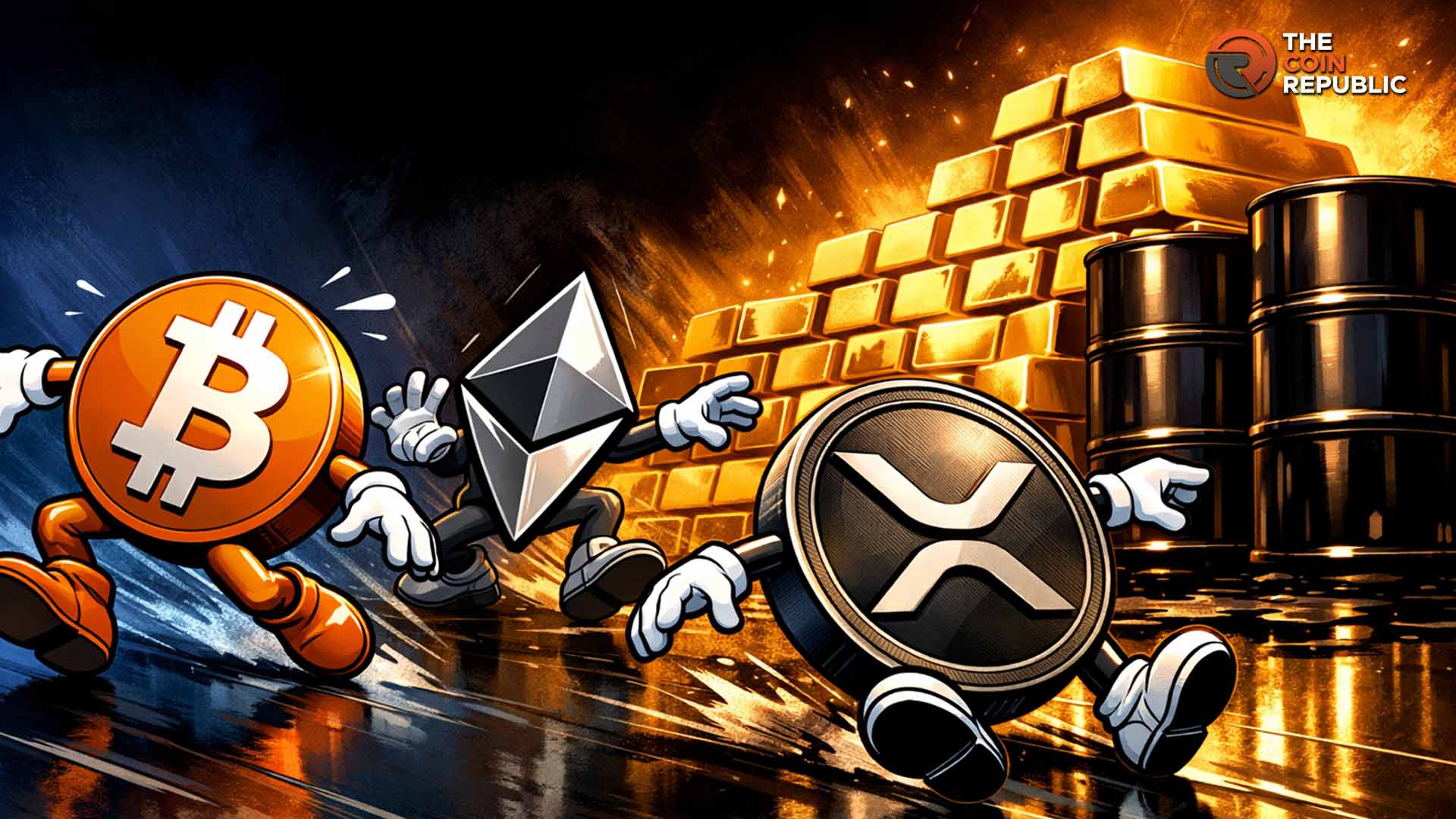
As investors reacted to the rising uncertainty, both Ethereum and XRP mirrored the decline observed in Bitcoin. The broader risk appetite diminished significantly, causing a notable retreat in crypto valuations.
Initially, the crypto market showed signs of resilience with Bitcoin briefly climbing towards $68,000 after the news broke. Some traders viewed this as a potential turning point, fueled by speculation surrounding a temporary leadership council in Iran that could stabilize the situation. However, this optimism quickly faded as additional news and statements emerged, particularly from President Donald Trump, who indicated that the U.S. would continue its military operations until its objectives were met. This stance led to increased apprehension among traders, making them reconsider their positions.
Ultimately, Bitcoin fell to approximately $66,127, reflecting a 1% decrease on the day. While this price is slightly above last week”s levels, it remains significantly lower than previous trading figures from the prior month. This pattern underscores a familiar investor behavior: a retreat from risk during uncertain times.
Meanwhile, Ethereum experienced a brief surge above $2,000, but this was short-lived as market sentiment soured. The cryptocurrency was last recorded near $1,947, marking a decline of about 2.46% in the past 24 hours. The takeaway for traders is clear; in times of heightened uncertainty, digital assets are often perceived as riskier bets rather than safe havens.
While cryptocurrencies faced this downward pressure, traditional safe-haven assets saw a contrasting trend. The surge in oil prices was notable, as traders shifted their focus from demand concerns to potential supply disruptions. The volatility surrounding the geopolitical landscape led to the largest one-day increase in oil prices in nearly four years, indicating a preemptive pricing in of risks by market participants.
Asian stock markets reflected this cautious sentiment as well, with significant declines in major indices like Japan”s Nikkei 225 and Hong Kong”s Hang Seng Index. The correlation between rising energy prices and falling equity markets typically signals investor expectations of broader economic challenges ahead.
As the situation continues to evolve, market participants remain vigilant, particularly regarding developments surrounding the Strait of Hormuz, a critical area for global oil transit. The ongoing geopolitical tensions are likely to keep the crypto markets on edge as investors navigate this complex landscape.