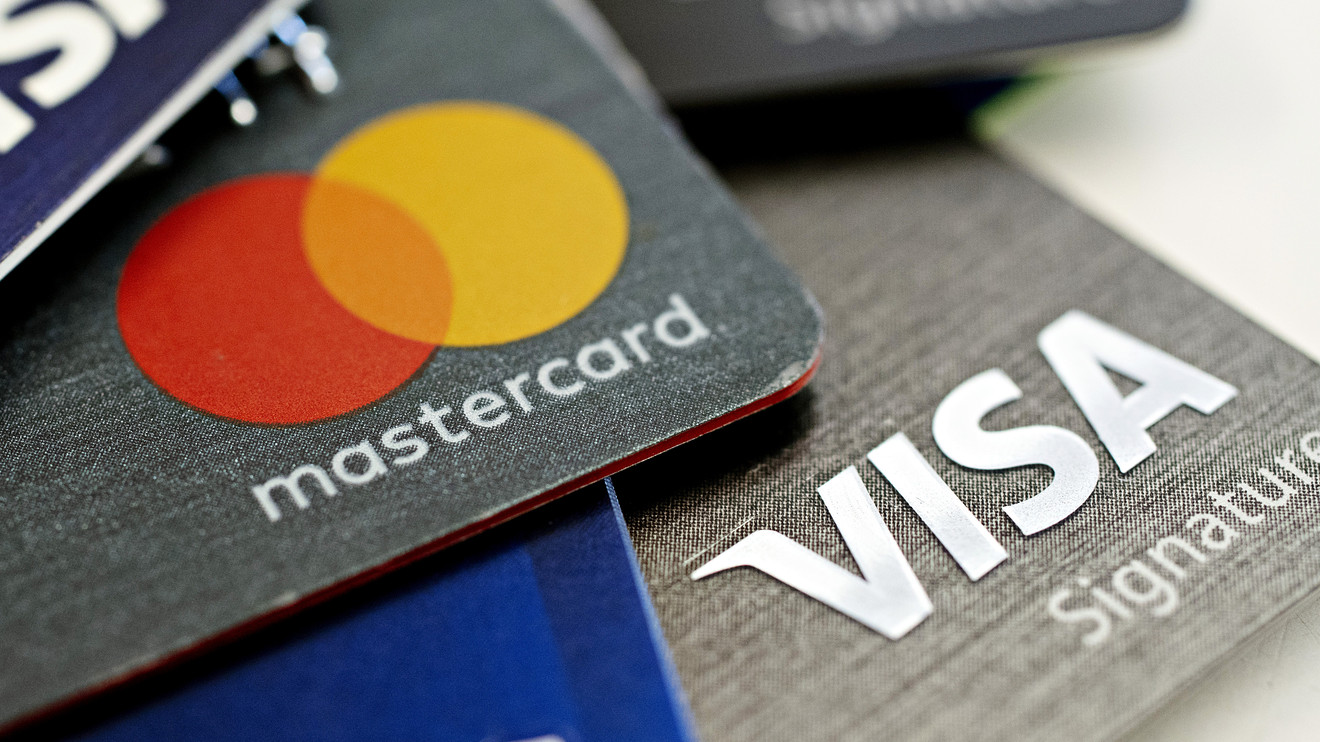
In a recent statement, Visa and Mastercard expressed a cautious outlook on the integration of stablecoins into everyday consumer transactions. They contend that, at this time, stablecoin technology does not present significant benefits compared to established payment methods in developed nations.
This viewpoint highlights a growing disparity between ongoing infrastructure experimentation and actual consumer adoption. Despite stablecoins making headway in specialized applications, their utility in mainstream retail payments remains questionable.
Cuy Sheffield, Visa”s Head of Crypto, articulated the challenge succinctly: in technologically advanced markets such as the United States and Europe, existing payment systems operate effectively. With options like contactless cards and digital wallets, consumers enjoy rapid transactions, reliability, and security that stablecoins have yet to enhance.
Sheffield pointed out that utilizing stablecoins for standard retail purchases does not provide any discernible advantage over current systems. Moreover, it introduces additional complexities, including custody issues, transaction fees, and challenges related to reversibility.
Mastercard echoed this sentiment, stressing the importance of regional context. Company executives acknowledged that stablecoins hold potential value for cross-border remittances and in emerging economies characterized by high inflation or limited banking infrastructure. However, in the realm of high-volume, low-value domestic transactions, which constitute the backbone of consumer retail, Mastercard deemed stablecoins uncompetitive compared to their established card networks that offer prompt settlements, loyalty rewards, and extensive consumer protections.
Both companies also highlighted ongoing market volatility as a significant hurdle. Incidents, such as the flash crash in October 2025, underscored liquidity pressures and temporary de-pegging affecting various stablecoins, risks that do not align with the expectations of mainstream consumers. From the perspective of payment networks, even short-lived instability is unacceptable due to chargeback expectations, dispute resolution, and regulatory responsibilities linked to consumer safety.
Despite their skepticism regarding retail adoption, Visa and Mastercard are not abandoning blockchain technology. Mastercard has recently broadened its Multi-Token Network (MTN) to encompass tokenized bank deposits, which it considers a more regulated and stable option than privately issued stablecoins. Meanwhile, Visa is maintaining its collaboration with Circle, utilizing USDC for settling specific fiat transactions on the Solana and Ethereum networks, focusing on back-end institutional settlements rather than consumer point-of-sale transactions.
This strategic distinction indicates that both firms are laying the groundwork for future demand without positioning stablecoins as viable consumer payment solutions in the present.
The prevailing regulatory uncertainty further shapes this cautious approach. A potential government shutdown affecting the SEC, effective from January 31, 2026, coupled with new leadership at the Treasury, has raised questions about the long-term legal status of stablecoins within the U.S. banking framework. Until definitive regulations regarding issuance, reserves, and consumer safeguards are established, major payment companies appear reluctant to promote stablecoins for widespread retail use.
In summary, the consensus from Visa and Mastercard is clear: while stablecoins represent a promising technological infrastructure, they have yet to prove themselves as a superior consumer payment option in developed markets. Both companies are quietly preparing for a future where tokenized currencies may play a role, yet they recognize that today”s retail payment landscape is largely sufficient as it stands. Until stablecoins can demonstrate comparable or superior qualities in stability, functionality, and consumer protection, their presence is likely to remain largely behind the scenes.