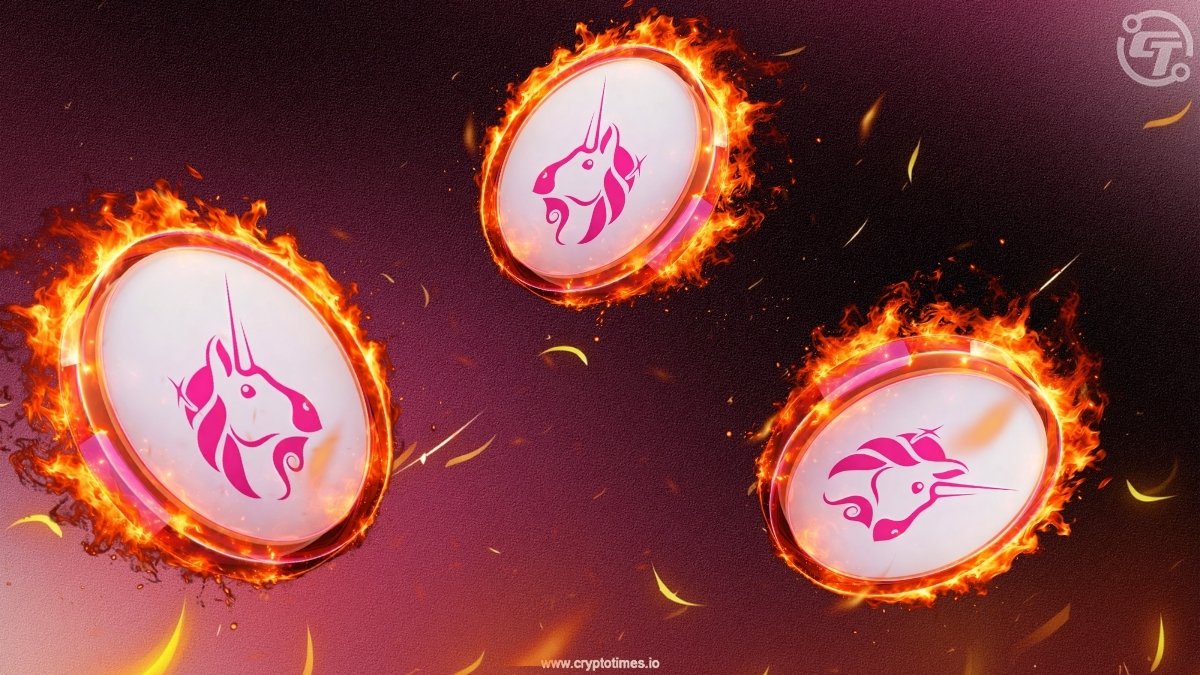
In a landmark decision, the Uniswap community has voted overwhelmingly in favor of a proposal to burn 100 million UNI tokens. This initiative, known as “Unification,” was introduced by the Uniswap Foundation and Uniswap Labs in November and received an astounding 99.9% support during the voting period that concluded on December 25, 2025.
The voting results revealed a significant engagement from the community, with 125,342,017 votes in favor and only 742 against. Hayden Adams, founder of Uniswap, highlighted the importance of this vote on an X post, stating, “After a ~2day vote timelock, 100m UNI will be burned, fee switches will be flipped, labs will turn off frontend fees and focus on the protocol, and more.”
The proposal not only calls for the destruction of UNI tokens but also aims to implement a fee switch mechanism. This change will redirect a portion of the swap fees to facilitate ongoing burns of UNI tokens, thereby reducing the total supply over time. The expectation from community members is that this mechanism will contribute to a long-term increase in the value of UNI.
The “Unification” proposal marks a pivotal moment in the seven-year history of Uniswap, as it establishes a new economic model linking protocol usage to token burns. Initially, the proposal required 40 million votes to pass but ultimately garnered nearly 70 million votes within just two days, showcasing robust community support.
Additionally, the proposal includes the rollout of a new incentive system dubbed Protocol Fee Discount Auctions, designed to enhance returns for traders by allowing them to bid for exemptions from temporary fees. This initiative reinforces Uniswap”s commitment to ensuring protocol growth while enhancing token economics.
As of now, UNI is trading at $5.80, reflecting a slight decline of 2.01% over the past 24 hours, according to CoinMarketCap. Despite the proposal”s passage, market reactions appear muted, indicating that while the community is enthusiastic about the changes, broader market conditions may be influencing price stability.
Overall, the successful vote for “Unification” underscores Uniswap”s strategic pivot toward a more sustainable model that aligns the interests of its community with the long-term growth of the protocol. The community”s eagerness for a self-reinforcing ecosystem, where fees are directly tied to token burns, demonstrates a clear commitment to enhancing the Uniswap platform and its economic viability.