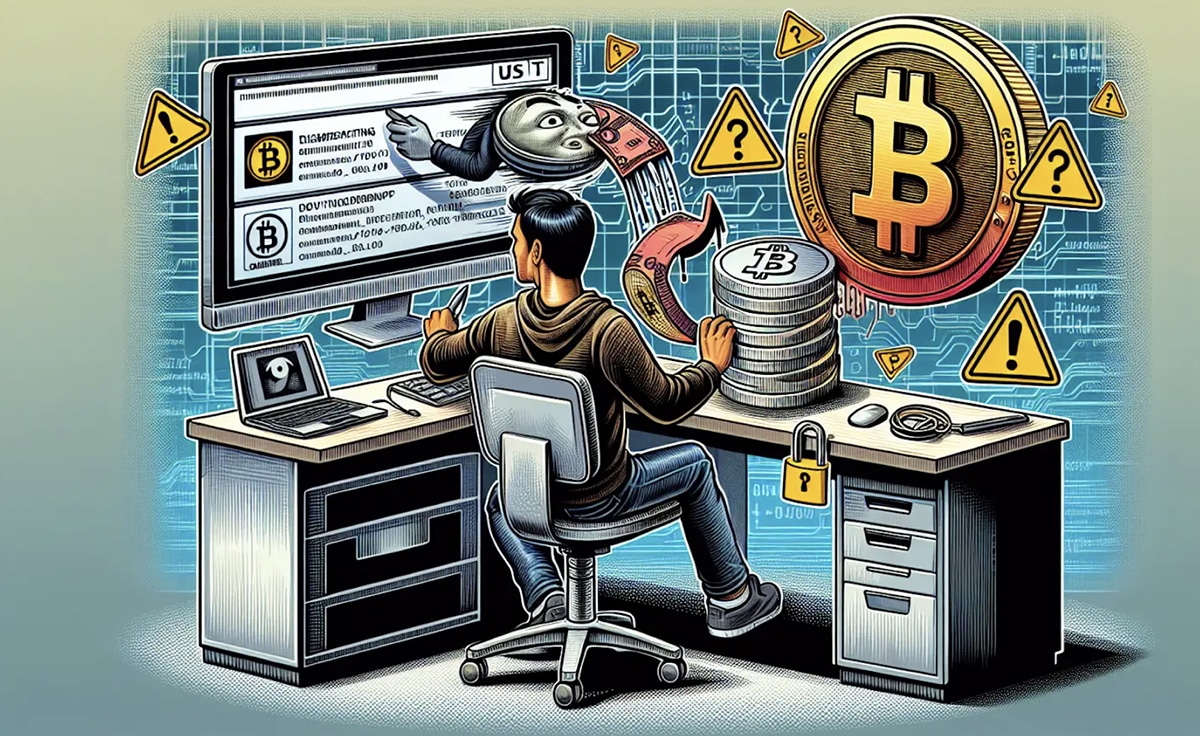
A significant incident in the cryptocurrency realm occurred when a trader mistakenly sent $50 million in USDT to a scammer. This loss stemmed from an address poisoning attack, highlighting how a simple copy-and-paste error can lead to devastating financial consequences.
The stablecoin USDT maintained its peg following the incident, leaving the broader market unaffected; however, this situation underscores the real threats facing everyday users. While high-profile exchange hacks dominate headlines, subtle scams like this quietly wreak havoc on individual wallets.
The scam unfolded when the trader transferred a small amount, such as $50, to a new address. The attacker then executed a spoofing technique, creating a wallet address that closely resembled the trader”s. By matching the first and last characters, the scammer made it easy for the victim to mistakenly copy the fraudulent address.
This manipulation led to the transfer of a massive sum from the trader”s wallet to the scammer”s look-alike address. The entire process operated under the radar, as the transaction history now included the scammer”s address, increasing the likelihood of future mistakes.
Reports indicate that the rise in address poisoning scams has become concerning, with Cointelegraph identifying it as a notable threat earlier in 2023. Wallets like MetaMask have warned users against relying on transaction histories as a means of storing address information. Instead, it is recommended to take a proactive approach to wallet security.
This incident of losing $50 million is emblematic of a broader security issue within the cryptocurrency ecosystem. It parallels notable centralized hacks, such as the Bybit theft and the WazirX breach, where attackers have stolen substantial amounts from exchanges. This situates individual wallet security as critical, as users can fall victim to techniques that resemble casual theft on the street.
To safeguard against such scams, users are urged to adopt new habits. One essential guideline is to abandon the practice of trusting transaction histories as address books. Instead, maintain a verified contact list and utilize hardware wallets that verify addresses on-device, thereby reducing the risk of errors.
Before executing any substantial transaction, it is crucial to meticulously verify the entire address rather than just the initial and final characters. This may seem tedious, but it can prevent catastrophic mistakes.
Testing any new address with a small transaction before committing to significant transfers is also a prudent step. This practice serves as a fail-safe, ensuring that large sums are not lost due to a simple error.
As scammers refine their methods, cryptocurrency wallets must evolve to offer enhanced security features. Future innovations may include improved address books and alerts for unfamiliar addresses. The crypto community must remain vigilant, adopting best practices to avoid falling victim to such scams.
The current landscape of cryptocurrency transactions demands that users take on the responsibility of their own security. With the potential for significant losses, diligence in verifying addresses and utilizing available security features is paramount to protecting one”s funds.