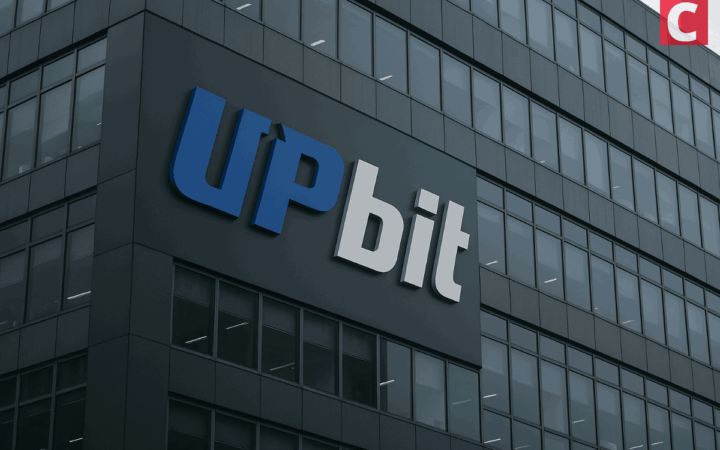
Upbit, South Korea”s largest cryptocurrency exchange, is reportedly gearing up for a potential listing on the Nasdaq. This move aligns with a broader strategy by Naver, a prominent tech company, to acquire Upbit”s parent firm, Dunamu, through a significant stock-swap merger valued at KRW 20 trillion (approximately $14.5 billion).
The impending merger, which is set to be reviewed during board meetings this week, could pave the way for Upbit to penetrate the U.S. market, joining the ranks of other leading crypto exchanges such as Coinbase. Reports indicate that Upbit may soon initiate operations in the United States, enhancing its global footprint.
Following the acquisition, Upbit would operate as a wholly-owned subsidiary of Naver, which is recognized as a leading internet conglomerate in South Korea. Should the merger be finalized, it would create a powerful financial entity, combining Naver”s fintech capabilities with Upbit”s substantial market share—approximately 70% of South Korea”s cryptocurrency market.
Both companies are scheduled to hold a press conference at Naver”s headquarters on November 27 to discuss the merger. Under the proposed plan, shareholders of Dunamu will trade their shares for equity in Naver Financial, with major stakeholders projected to retain nearly 30% ownership of the new entity. This would see Naver”s stake reduced from 69% to around 17%, although it is expected to maintain operational control.
As the proposed merger moves forward, it is currently undergoing scrutiny from South Korean regulators. Approval from the Financial Supervisory Service (FSS) and the Fair Trade Commission (FTC) is essential. The FSS will assess the potential financial risks and operational impacts of merging a licensed payment service provider with a virtual asset exchange, a combination that has previously raised concerns regarding systemic risks.
This development arrives at a time when major cryptocurrency exchanges in South Korea are facing intense regulatory oversight. The approval process necessitates that both companies demonstrate that the merger will yield benefits for the public and the industry without compromising market stability or fair competition.
Industry experts suggest that the outcome of this merger could significantly influence the integration of traditional finance with digital asset platforms in the future.