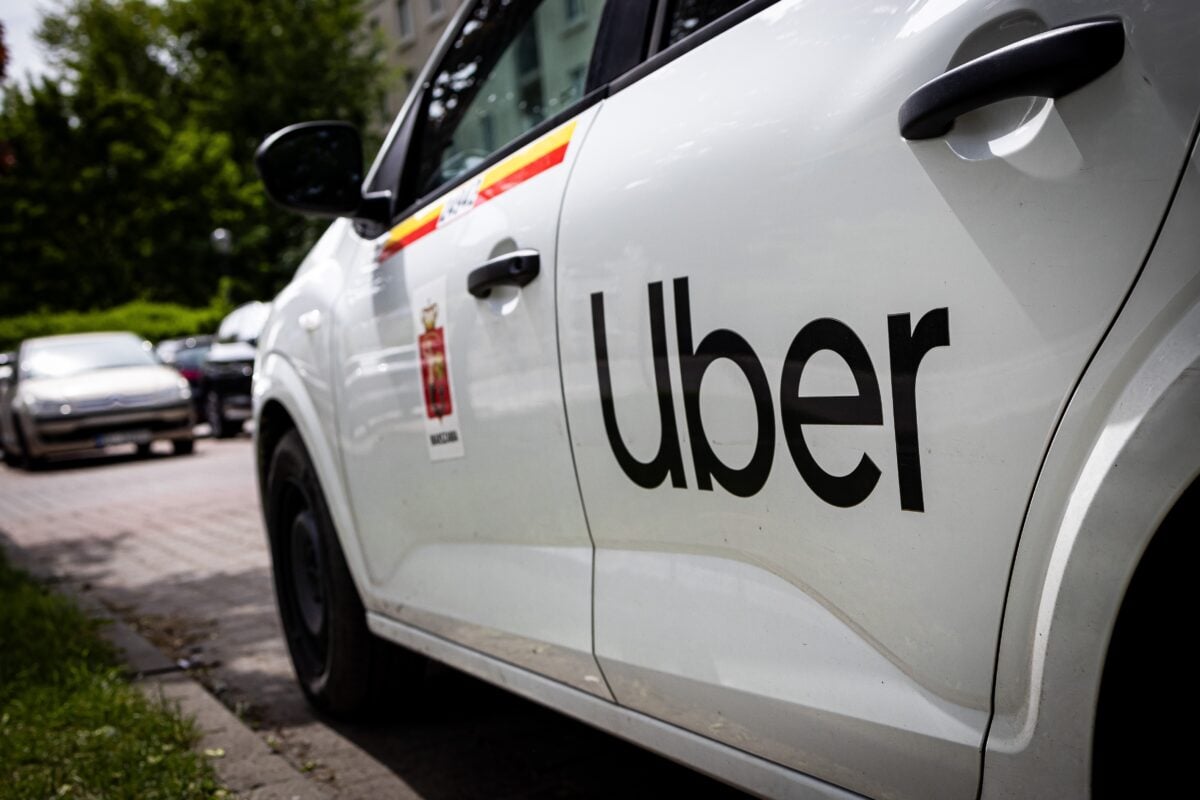
Ride-hailing giants Uber and Lyft are set to initiate testing of Baidu“s Apollo Go robotaxis in London, with operations expected to commence in the first half of 2026, contingent upon regulatory approval.
Lyft aims to begin the pilot with dozens of vehicles, eventually scaling up to hundreds, while Uber will also kick off its testing in early 2026. This initiative follows the UK government”s announcement in June to expedite the deployment of autonomous vehicles, with small-scale robotaxi trials projected to launch in spring 2026.
The move positions London as a competitive landscape for autonomous vehicle technology, especially as Waymo, a subsidiary of Alphabet, has also announced plans to begin testing in the city, targeting a full-service launch in 2026.
Baidu has already established a presence in 22 cities worldwide, facilitating over 250,000 weekly trips and expanding its services into international markets such as the UAE and Switzerland. The collaboration between Uber, Lyft, and the Chinese tech company signifies a strategic leap into the burgeoning autonomous vehicle sector.
In a recent tweet, Uber expressed enthusiasm about this partnership, highlighting the significance of launching autonomous vehicles under the UK”s pioneering plans for self-driving technology.
As both companies pivot away from developing their own autonomous technologies, they are increasingly relying on alliances to deliver self-driving services. The competitive dynamic in London is intensifying, with Baidu facing challenges from other players in the market.
The UK”s “Vision Zero” initiative aims to eliminate serious injuries and fatalities in transportation by 2041, and officials believe that advancements in autonomous driving can play a crucial role in achieving this goal.
Despite the excitement surrounding these developments, the economic viability of autonomous vehicle fleets remains uncertain. Many public companies in the robotaxi sector are currently operating at a loss, and analysts caution that the high costs associated with these fleets could impact profitability for platforms like Uber and Lyft.
As Baidu seeks to solidify its position against Western competitors and other Chinese firms, the upcoming trials in London will be a significant test of its capabilities in a key European market.