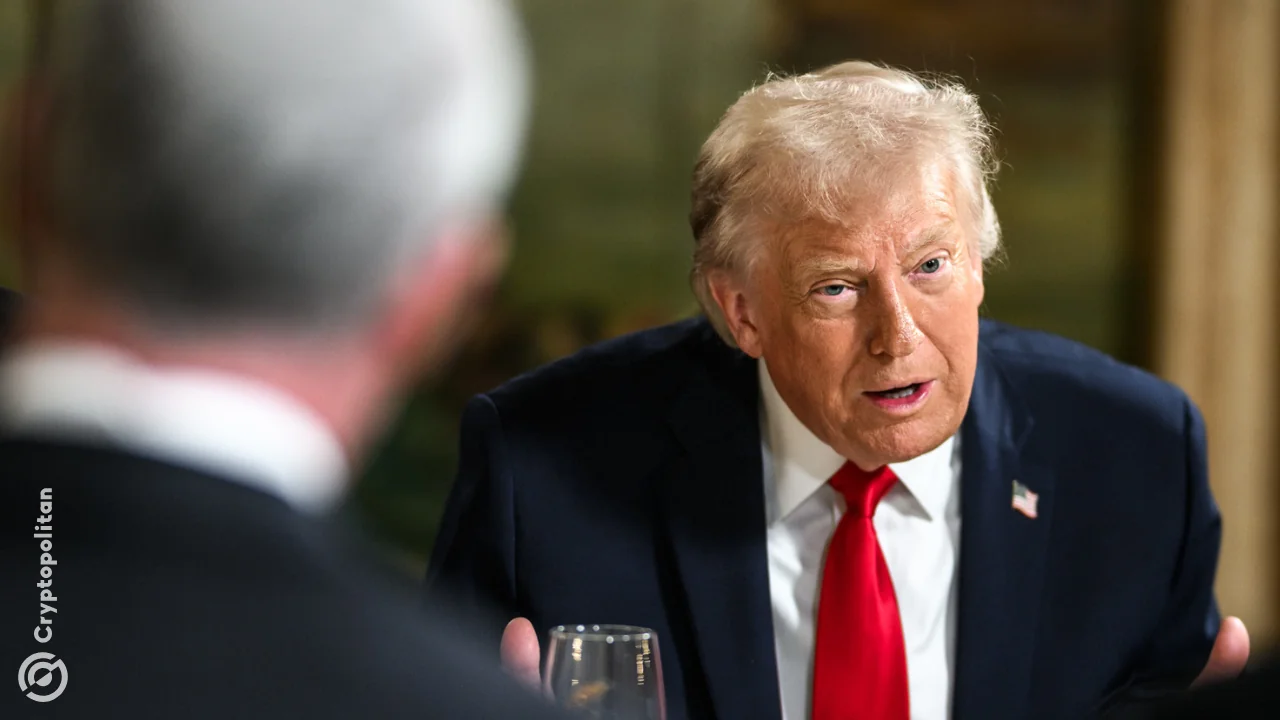
The Trump administration has engaged in unprecedented financial maneuvers by using taxpayer dollars to acquire equity in vital industries. Over the past year, reports indicate that the government has secured stakes in at least ten companies primarily focused on semiconductors, energy, and defense. These investments encompass a range of firms from mining projects to semiconductor manufacturers.
According to Scott Lincicome from the Cato Institute, this type of governmental investment strategy is reminiscent of wartime practices. The Commerce Secretary, along with other officials, has hinted that more investments are on the horizon, with companies like Lockheed Martin potentially being future targets.
One of the notable investments was made in U.S. Steel, where Trump approved a sale to Nippon Steel only after acquiring a special power known as a golden share. This arrangement does not guarantee profits but provides the president with the authority to block significant corporate decisions.
In August 2025, the Commerce Department took a significant step by purchasing approximately 10% of Intel, amounting to 433.3 million shares funded through the CHIPS Act and other grants. These shares, however, are non-voting, indicating that the administration”s goal is more about financial backing than direct control.
The Department of Defense has also made inroads into the rare earths sector by investing in MP Materials, a company that operates a mine in California. The Pentagon”s $400 million investment in preferred stock positions it as potentially the largest shareholder, with a warrant that could grant it up to a 15% stake.
In the lithium market, the Department of Energy acquired a 5% interest in Lithium Americas and its joint project with General Motors. In exchange for this stake, the government deferred $182 million in payments on a $2.3 billion loan, providing a safety net for taxpayers if the venture faces difficulties.
Emerging startups are also benefiting from government funding, with companies like Trilogy Metals receiving $35.6 million for a copper mining project in Alaska. The government acquired a 10% stake in this venture and retains the option to purchase an additional 7.5%.
Other beneficiaries include USA Rare Earth, which secured a $1.3 billion loan and $277 million in grants, in return for shares and warrants that could give the government an ownership stake of between 8% and 16%. Meanwhile, Vulcan Elements is collaborating with ReElement Technologies on a rare earth magnet supply chain, receiving substantial government funding to support their operations.
In the defense sector, the Pentagon”s investment in L3Harris could lead to government ownership in a missile business. The deal stipulates that the investment will convert into common stock when the division goes public in 2026. Additionally, the government has entered into a partnership with Cameco and Brookfield for nuclear reactor development, potentially allowing the government to claim an 8% stake if the project exceeds a $30 billion valuation.
Overall, the Trump administration”s strategy of leveraging taxpayer funds to gain ownership interests in essential sectors raises significant questions about the future relationship between government and private enterprise. This shift indicates a move toward greater government involvement in industries that were traditionally left to the private sector.