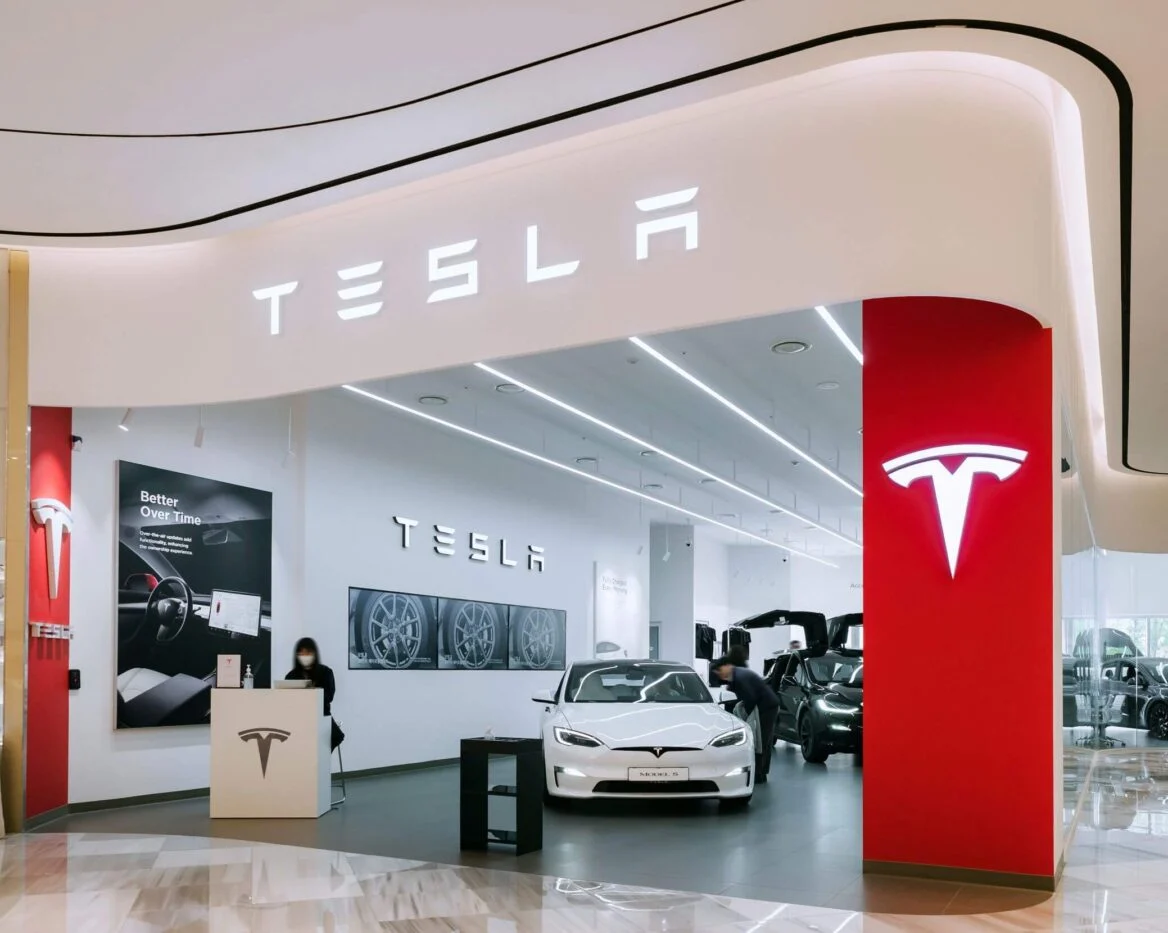
Tesla has encountered significant challenges in the European electric vehicle (EV) market, with its sales plummeting by 27% in 2025. The automaker recorded 238,656 units sold across the European Union, the United Kingdom, and other regions. In contrast, BYD, a Chinese competitor, reported a remarkable increase in its registrations, surging by 268.6% to reach 187,657 units during the same timeframe.
December was particularly telling for both companies; Tesla saw its registrations decline by 20% year-over-year to 35,280 units, while BYD more than tripled its December registrations to 27,678 units. This shift in consumer preferences highlights a growing challenge for Tesla as BYD expands its footprint in the European market, capturing a market share that rose to 1.4% from 0.4% in 2024.
The competitive landscape for EVs in Europe continues to intensify, particularly as BYD offers a range of affordable electric and hybrid vehicles. Traditional automotive giants, including Volkswagen, are also feeling the pressure from BYD“s rapid growth. Furthermore, Tesla faces unique challenges beyond just competition; Elon Musk“s recent political engagements have reportedly affected consumer sentiment in the region.
Globally, Tesla is reflecting similar struggles, with worldwide sales dropping by 9% in 2025. The fourth quarter saw a 16% decline in deliveries compared to the prior year, allowing BYD to surpass Tesla as the world”s leading EV manufacturer.
In response to these market dynamics, Tesla is pivoting its strategy regarding its Full Self-Driving (FSD) system. Starting February 14, the company will discontinue the option for a one-time purchase of the FSD feature, which was previously priced at $8,000. Instead, customers will be required to subscribe to the service at a cost of $99 per month. This shift aims to bolster Tesla“s recurring revenue amidst increasing competition.
The broader European EV market is witnessing healthy growth as well, with battery-electric vehicle sales increasing by 51% year-over-year. The total market share for battery-electric cars rose to 17.4% in 2025, up from 13.6% in 2024. Meanwhile, hybrid-electric vehicles maintained a strong presence with a 34.5% market share. Traditional fuel vehicles are declining, with petrol and diesel cars dropping to a combined market share of 35.5%, down from 45.2% the previous year.
The total number of EU passenger car registrations increased by 5.8% in December, reaching 963,319 vehicles. Germany led the growth with a 9.7% increase, while Italy saw a 2.3% rise. Conversely, France experienced a slight decline of 5.8%.
As BYD continues to gain momentum in Europe, the landscape for EV manufacturers is evolving rapidly, underscoring the importance for Tesla to adapt to these changing market conditions.