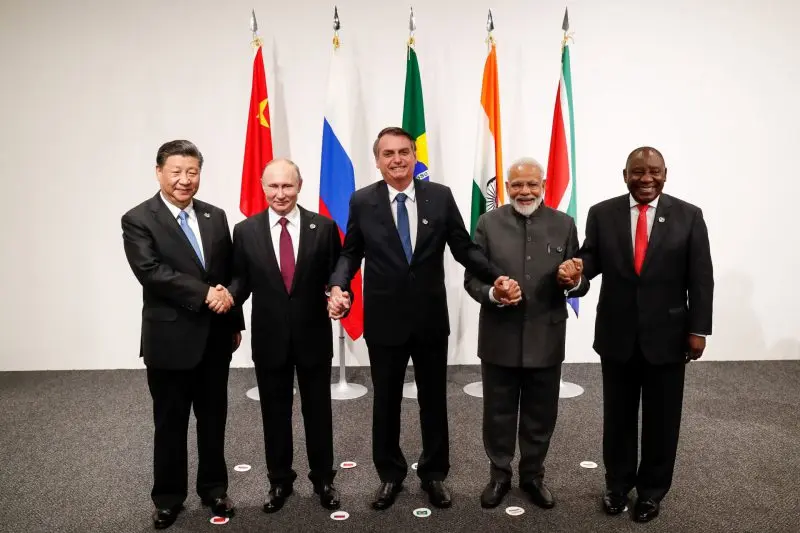
In a surprising move that raises questions about the cohesion of the BRICS alliance, South Africa is contemplating a hefty 50% tariff on automotive imports from its BRICS counterparts, China and India. This decision underscores the competitive dynamics within the 11-member bloc, which ostensibly aims to strengthen mutual economic ties.
While BRICS members have publicly advocated for deeper cooperation, the reality appears starkly different. South Africa”s tariff proposal is primarily aimed at safeguarding its own automotive industry from a surge of imports, particularly from fellow BRICS nations. This initiative comes at a time when the alliance once united against former U.S. tariffs, promoting an image of solidarity.
However, the underlying motivations reveal a more fragmented approach. Countries within BRICS, including India and China, are increasingly prioritizing their national interests and seeking favorable trade agreements with the United States. For instance, India recently made a significant $10 billion investment in rare earth mining to diminish its reliance on China, despite being part of the same alliance.
The mutual distrust among BRICS nations calls into question the effectiveness of their collaboration. Despite the rhetoric of unity during summits, actions taken by member states suggest a deep-seated competition, as evidenced by South Africa”s tariff plans and India”s strategic investments.
This situation illustrates a critical issue that has hindered the BRICS alliance”s success: the lack of cooperative policies among its members. With nations like South Africa, China, and India failing to support each other in times of need, the viability of BRICS as a unified bloc remains in serious doubt.
As the global economic landscape continues to evolve, it will be imperative for BRICS members to address these internal divisions if they wish to enhance their collective influence and economic stature on the world stage.