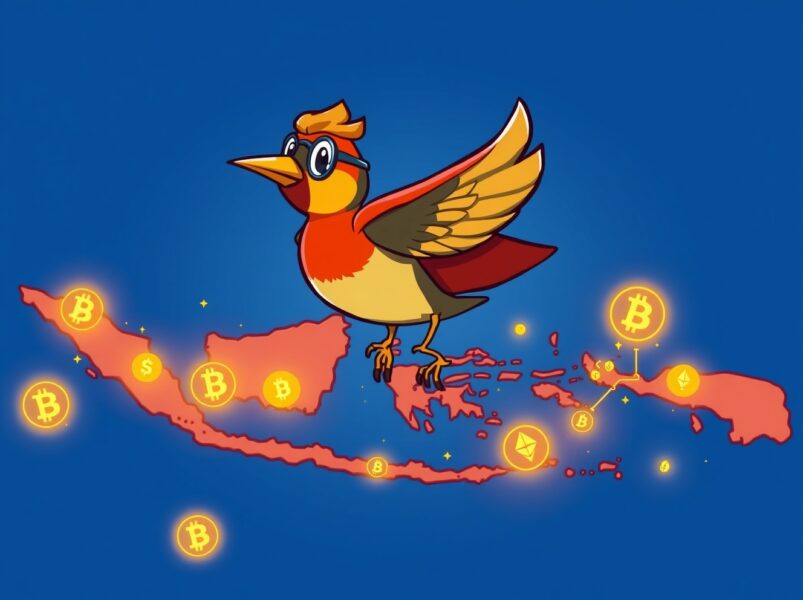
In a noteworthy strategic development, Robinhood, the renowned U.S. trading platform, is set to make a significant entry into the Indonesian cryptocurrency market. The company has announced its intention to acquire Pedagang Aset Kripto, a local crypto trading firm, as part of its expansion strategy into one of Southeast Asia”s most dynamic digital asset arenas.
Indonesia represents a burgeoning market for digital assets, characterized by a young, tech-savvy demographic and increasing smartphone usage. This acquisition allows Robinhood to leverage an already established entity, which provides local knowledge, regulatory compliance, and a pre-existing user base. Rather than starting from the ground up, Robinhood”s acquisition offers a strategic advantage in a region where cryptocurrency adoption is rapidly gaining momentum.
According to reports, the acquisition is anticipated to be finalized in the first half of next year. This move aligns with a broader trend of Western cryptocurrency firms seeking growth opportunities in emerging markets, particularly in Southeast Asia, where interest in digital assets is on the rise.
Benefits for Indonesian Crypto Traders
For traders in Indonesia, this acquisition could herald several benefits. Robinhood is recognized for its user-centric interface and zero-commission trading model. As the platform integrates with Pedagang Aset Kripto, users may experience:
- Enhanced Platform Features: Access to Robinhood”s intuitive mobile application and trading tools.
- Broader Asset Access: Potentially an expanded selection of cryptocurrencies available for trading.
- Increased Market Legitimacy: The entry of a major international player often enhances confidence among local traders.
However, Robinhood faces challenges ahead. The regulatory framework in Indonesia is distinct, and the company will need to navigate these regulations carefully to ensure compliance. The success of this acquisition hinges on a smooth transition that meets both regulatory standards and user expectations.
Strategic Implications for Robinhood
This acquisition is not merely a one-off deal; it represents a crucial element of Robinhood”s global strategy. Following regulatory pressures in the U.S., broadening its footprint into new international markets is a wise diversification approach. With Indonesia being the largest economy in Southeast Asia, a successful integration could lay the groundwork for future expansions into other markets, such as Vietnam or the Philippines.
Furthermore, this move enhances Robinhood”s competitive standing in the global landscape. By securing a foothold in high-growth markets, the company positions itself for more resilience and relevance on the world stage.
Challenges and Future Considerations
Every acquisition carries inherent risks, and several critical questions remain unanswered:
- Cultural and Operational Integration: Can Robinhood”s business model seamlessly adapt to the preferences of Indonesian users?
- Regulatory Hurdles: Will local authorities endorse the acquisition without imposing strict requirements?
- Market Competition: How will established domestic and regional exchanges react to Robinhood”s entry?
Additionally, the volatility of the cryptocurrency market poses another layer of complexity. Robinhood”s success in Indonesia will depend on sustained interest among local users in digital assets. The company must demonstrate that its acquisition is not just a fleeting market entry but a long-term commitment to the region.
In conclusion, Robinhood”s planned acquisition of Pedagang Aset Kripto is a bold move that underscores the company”s ambition to emerge as a global leader in the retail cryptocurrency trading space. This strategic bet could democratize access to crypto trading for millions in Indonesia, while also testing Robinhood”s ability to scale its operations internationally. If executed successfully, it may pave the way for similar cross-border consolidations within the fintech industry.
For readers interested in the latest trends in cryptocurrency and market expansion, further insights can be found in our articles detailing significant developments in institutional adoption and global regulatory changes.