













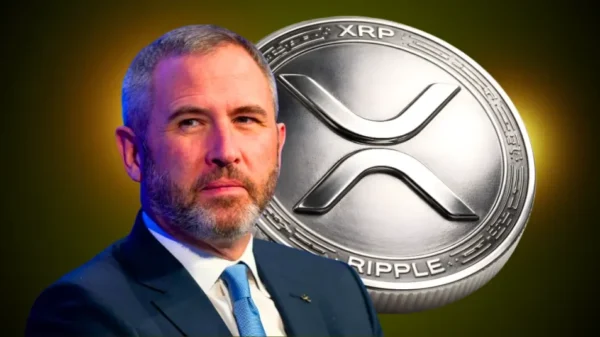









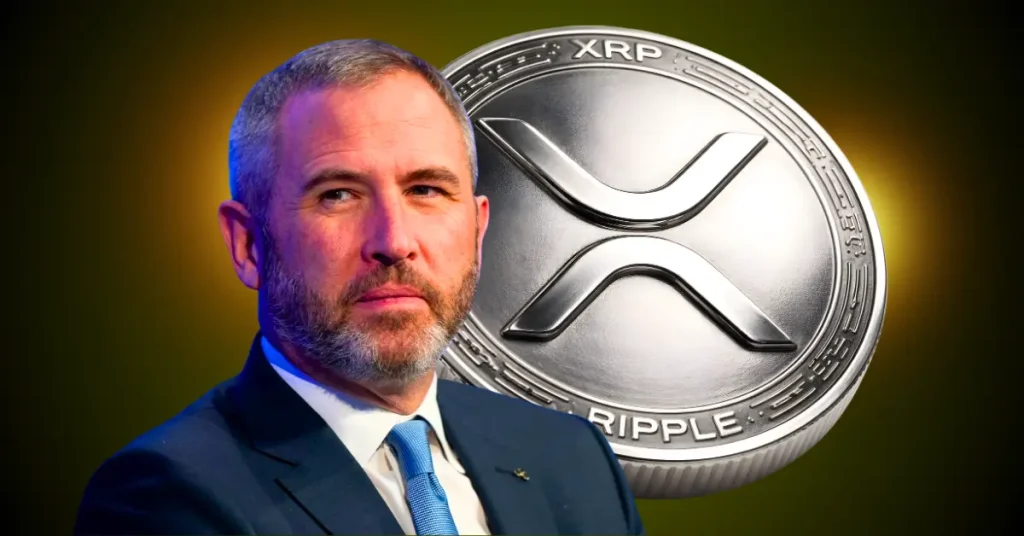
Ripple has significantly evolved from its origins as a payments company, now positioning itself as a comprehensive banking entity following aggressive acquisitions totaling approximately $4 billion in 2025. Analysts are dubbing it “the banker”s bank,” as the company has established a complete banking infrastructure aimed at serving traditional financial institutions.
The acquisition spree began with the purchase of Hidden Road for $1.25 billion, which was rebranded as Ripple Prime, a prime brokerage that processes around $3 trillion annually. Following this, Ripple acquired Rail for $200 million, enhancing its capabilities in stablecoin payment rails. The next significant acquisition was GTreasury, which cost $1 billion and opened the door to the corporate treasury market. The latest addition was Palisade, which introduced institutional custody and wallet technology to Ripple”s offerings.
In a pivotal move, the OCC granted Ripple conditional approval for a national trust bank charter in December 2025, allowing the firm direct access to US banking infrastructure. CEO Brad Garlinghouse emphasized that banks are the primary customers for Ripple”s technology. When asked about the possibility of acquiring a bank, he succinctly stated, “They”re our customers.”
Meanwhile, the SEC faces an upcoming deadline on February 26 regarding T. Rowe Price”s active crypto ETF, which lists XRP as a core asset. T. Rowe Price, managing $1.8 trillion in assets, has expressed its belief in the future role of blockchain technology and digital assets within the financial services sector. Currently, US spot XRP ETFs hold over $1 billion in net asset value, representing more than 1% of the circulating supply.
Since January, there has been a notable increase in on-chain activity, with 42 new wallets created, each holding over 1 million XRP. Ripple”s roadmap for 2026 includes plans for native lending solutions and implementing zero-knowledge proofs on the XRP Ledger. However, analysts caution that the enterprise adoption of Ripple”s infrastructure may not immediately result in proportional demand for the XRP token, potentially causing a lag in price discovery. As of now, XRP is trading at $1.44, with a market cap of approximately $87 billion.