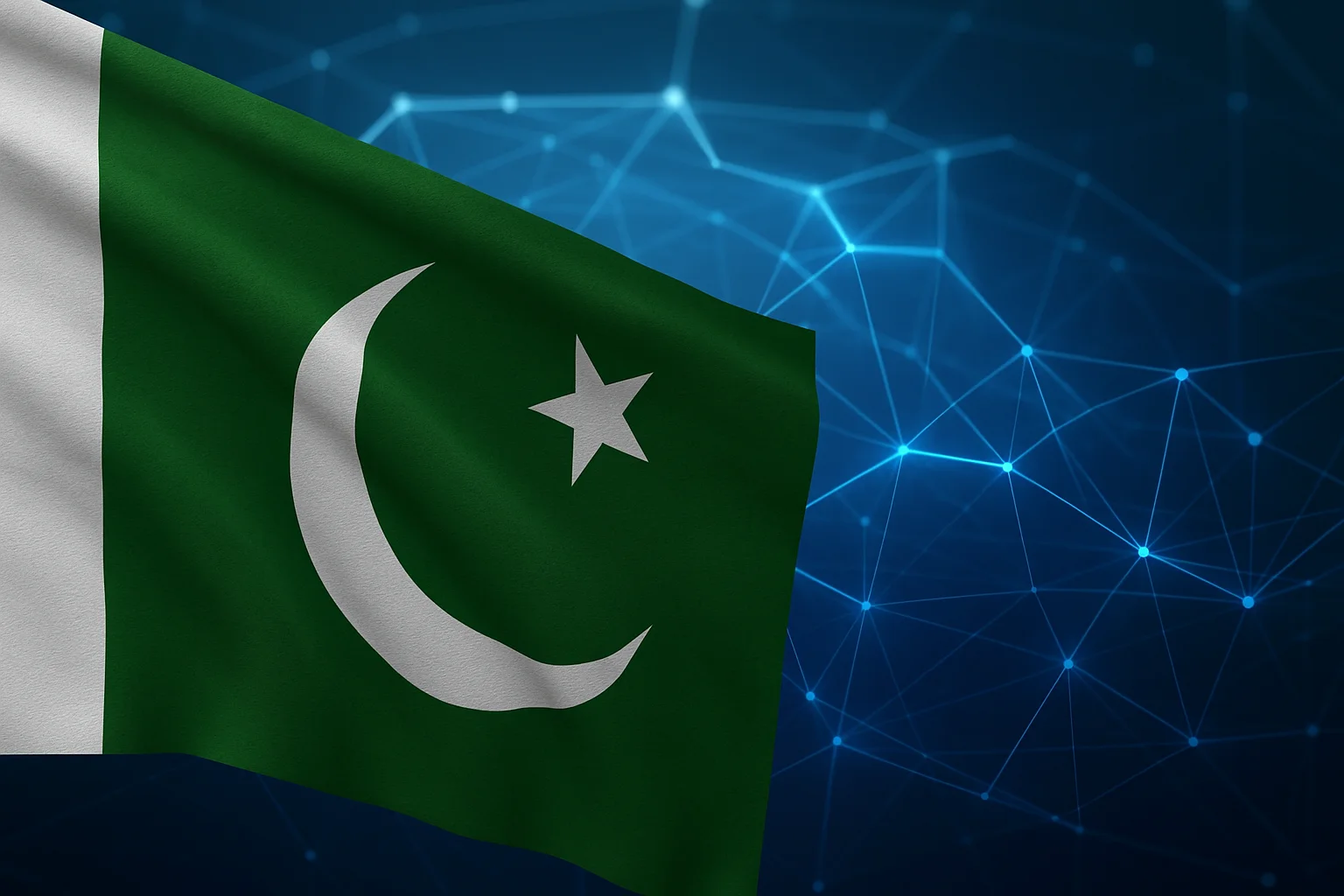
In a significant move towards integrating blockchain technology into its financial landscape, Pakistan has announced plans to tokenize up to $2 billion in state-owned assets. This initiative marks a pivotal shift as the country seeks to leverage digital infrastructure to access global liquidity, moving away from traditional financial constraints.
The Pakistani government is increasingly recognizing the potential of blockchain as a solution to its economic challenges. With a youthful population and structural limitations in accessing foreign capital, policymakers aim to utilize blockchain to facilitate the circulation of sovereign assets digitally. This strategy is not merely about adopting technology; it is about redefining how the state interacts with the global financial ecosystem.
To support this ambitious plan, the government has engaged with Binance, one of the leading entities in the digital asset space. While the agreement remains non-binding, its implications are profound. It reflects a strategic intention to integrate more deeply with global crypto infrastructure rather than merely imposing regulations from afar. Senior officials are positioning this partnership as a gateway to international liquidity networks, which operate outside conventional banking hours and regulatory frameworks.
During the signing event, Changpeng Zhao, the CEO of Binance, emphasized the importance of this initiative, stating that it symbolizes Pakistan”s commitment to a future anchored in technological innovation rather than relying solely on short-term financial fixes. This engagement with Binance is indicative of a broader trend where governments are increasingly viewing cryptocurrencies not just as speculative assets but as critical components of their financial strategies.
Pakistan”s demographic dynamics also play a crucial role in this pivot. With a majority of its population under 30, the country faces urgent challenges in creating employment and ensuring financial inclusion. Traditional banking systems have not kept pace with the needs of this burgeoning demographic, leaving millions without access to essential financial services. The government believes that blockchain can bridge these gaps, allowing for rapid deployment of digital wallets and tokenized assets to meet the needs of its citizens efficiently.
The rise of cryptocurrency usage in Pakistan has been largely organic, driven by remittances and informal financial practices. Despite a backdrop of regulatory uncertainty, the nation has emerged as one of the more active markets for crypto globally. In response to this reality, the government is now taking steps to formalize and regulate this burgeoning sector. The recent appointment of a dedicated minister for blockchain and cryptocurrency underscores this shift in strategy.
Beyond finance, Pakistan”s interest in blockchain intersects with its energy sector. The country possesses significant surplus energy capacity, which could be harnessed for high-energy-demand activities such as Bitcoin mining. This approach not only provides a path for economic development but also positions Pakistan as an attractive destination for compute-heavy industries that seek low-cost energy solutions.
In summary, Pakistan”s movement towards blockchain technology represents a strategic effort to strengthen its economy by integrating digital assets into its financial framework. This initiative aims to connect a young, underbanked population with global capital flows, potentially transforming the country”s economic landscape in the process. As the government shifts its focus from traditional financial systems to innovative technologies, the outcomes of this strategy will be closely watched by the international community.
The information provided in this article is for educational purposes only and does not constitute financial, investment, or trading advice. Always conduct your own research and consult with a licensed financial advisor before making any investment decisions.