



































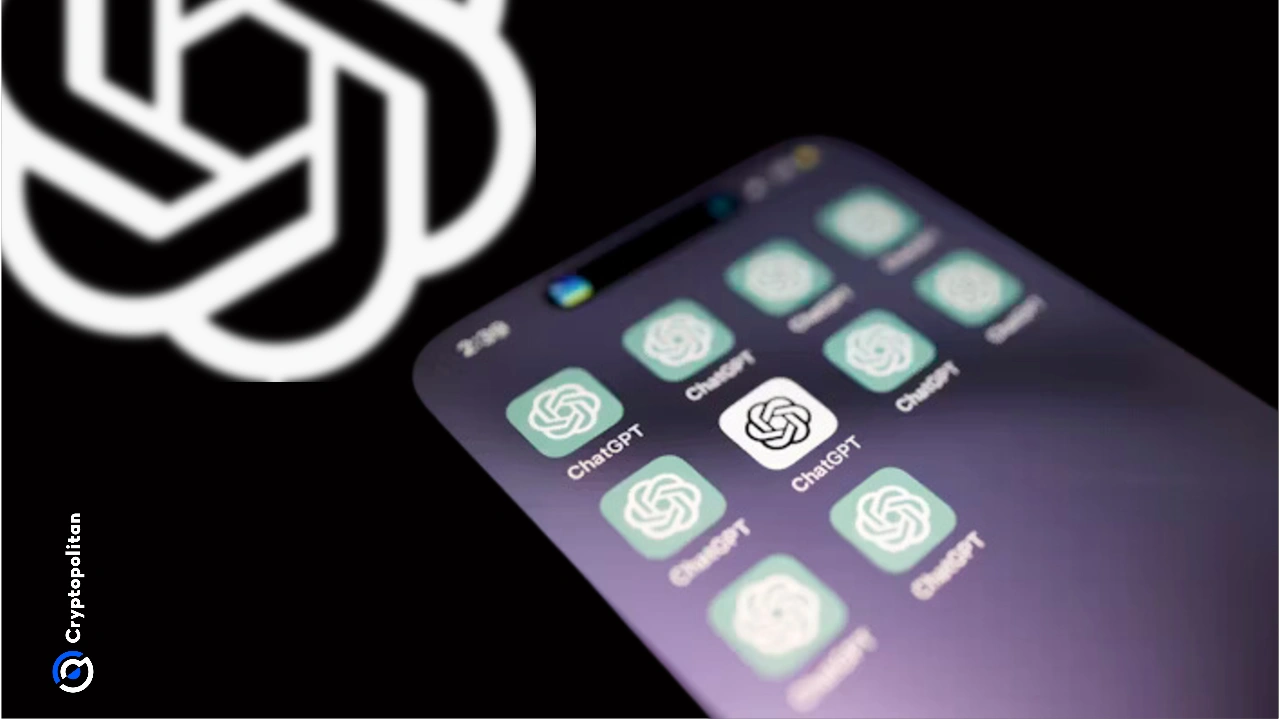
OpenAI has announced a significant shift in its ChatGPT platform, revealing that advertisements will soon be integrated into chatbot responses for users on the free tier and those subscribing to the new $8 Go plan. This decision, made public on Friday, affects a substantial user base, as those not enrolled in Plus, Pro, or Enterprise plans will encounter these ads in their interactions.
According to the company, the advertisements will be displayed at the bottom of ChatGPT”s replies and will be clearly marked to differentiate them from the AI-generated content. Users under the age of 18 will be exempt from seeing any advertisements, and ads will also be omitted from sensitive topics like politics, health, and mental health.
This move comes as OpenAI seeks to monetize its platform amidst substantial commitments, including over $1.4 trillion in infrastructure deals from the previous year. Sam Altman, OpenAI”s CEO, has indicated that the organization is on a path to achieving an annual revenue run rate of $20 billion. The introduction of digital ads aligns with strategies employed by other tech giants like Google and Meta, marking a new chapter in OpenAI”s business model.
In a post on X, Altman commented on the demand for AI access without payment, stating, “It is clear to us that a lot of people want to use a lot of AI and don”t want to pay, so we are hopeful a business model like this can work.” This statement underscores the reality that free access to AI will now come at the cost of exposure to advertisements.
The newly launched Go plan, which offers a lower-cost alternative for users wanting enhanced features without the higher price tag of $20 for the Plus plan, will also include advertisements. Users who prefer an ad-free experience will need to subscribe to the Plus plan or higher tiers.
While Altman has previously expressed concerns about the potential impact of ads on user trust, he acknowledged the likelihood of exploring this avenue. He reiterated that the integration of ads would not alter the quality of ChatGPT”s responses and assured users that their data would not be sold to advertisers. Users will have the option to dismiss ads, understand their relevance, and provide feedback, as OpenAI aims to refine ad presentation over time while prioritizing user trust.
As OpenAI embarks on this new advertising journey, the implications for user experience and the broader AI landscape remain to be seen. For now, users will have to adapt to a new norm within the ChatGPT ecosystem, balancing the desire for free AI access against the presence of advertisements.