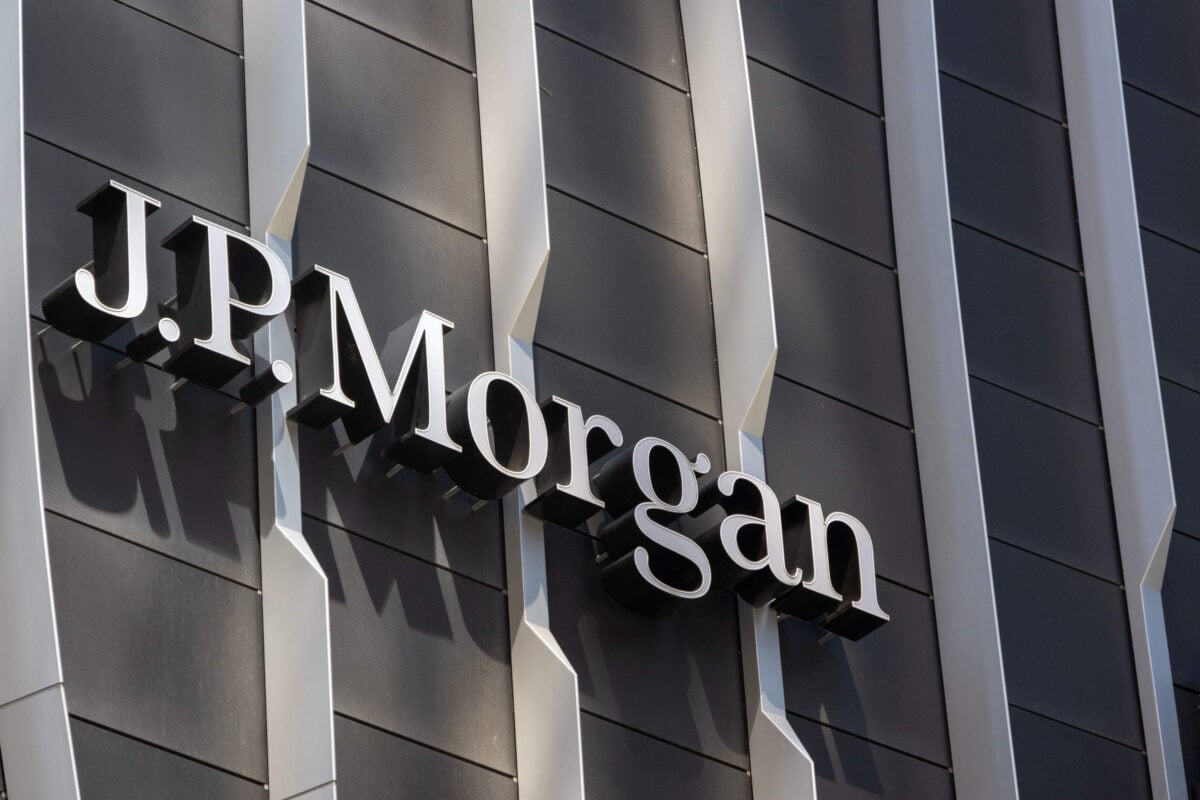
In a significant advancement for blockchain in finance, J.P. Morgan has successfully arranged a tokenized commercial paper issuance valued at $50 million for Galaxy Digital, utilizing the Solana blockchain. This transaction stands out as one of the pioneering debt deals conducted on a public network in the United States.
The issuance involves a short-term corporate bond, where J.P. Morgan not only created the on-chain token that represents the debt but also managed the entire settlement process for this primary issuance. This innovative approach marks a shift from traditional methods, indicating a growing acceptance of blockchain technology within institutional finance.
Prominent participants in this transaction included Coinbase and Franklin Templeton, both of whom acquired the tokenized securities. The settlement for the bond was executed using USDC, a stablecoin developed by Circle, ensuring a seamless transaction process. The investment banking division of Galaxy Digital played a crucial role in structuring this issuance.
Jason Urban, who serves as the global head of trading at Galaxy, emphasized that this transaction exemplifies the practical application of open, programmable infrastructure tailored for institutional-grade financial products. He noted that it demonstrates how blockchain technology can effectively integrate with traditional financial instruments.
The participation of Franklin Templeton is particularly noteworthy, as the asset manager has already launched a tokenized money market fund, illustrating that established financial entities are increasingly exploring blockchain-based solutions.
J.P. Morgan has been a frontrunner in the adoption of blockchain innovations, having introduced JPM Coin in 2019 and launching its blockchain division, Onyx, in 2020. The Onyx unit has already facilitated various blockchain-based trades and settlements, collaborating with industry giants like BlackRock and Siemens.
Typically, commercial paper is issued through conventional systems, serving as a short-term debt instrument utilized by companies to secure working capital. However, structuring this instrument on-chain and settling it with USDC represents a considerable leap towards embracing blockchain infrastructure in the financial sector. Advocates believe that adopting such practices will yield substantial efficiency gains and expedite settlement times.
Market forecasts suggest that the tokenized asset market could expand to reach $18.9 trillion by 2033, according to projections from BCG and Ripple. Although the tokenized commercial bond market is still in its early stages, analysts predict a potential growth to a $300 billion market capitalization by 2030. Currently, the total market cap for real-world tokenized assets exceeds $18.4 billion.
Tokenization of various financial instruments, including commercial, sovereign, and municipal bonds, holds the potential to reduce costs and streamline settlement processes by eliminating intermediaries from issuance and clearing. This trend has garnered support from regulatory bodies; notably, SEC Chairman Paul Atkins has recently highlighted tokenization as a transformative innovation for capital markets, suggesting that significant changes could materialize within the next couple of years.
In a related move, Hong Kong”s Monetary Authority has placed a priority on tokenizing financial assets, unveiling a five-year initiative aimed at bringing bonds and tangible assets on-chain by 2030. Additionally, in November, Hua Xia Bank issued 4.5 billion yuan in tokenized bonds, equivalent to $600 million, exclusively settled in digital yuan, further illustrating the global trend towards embracing tokenization.