













































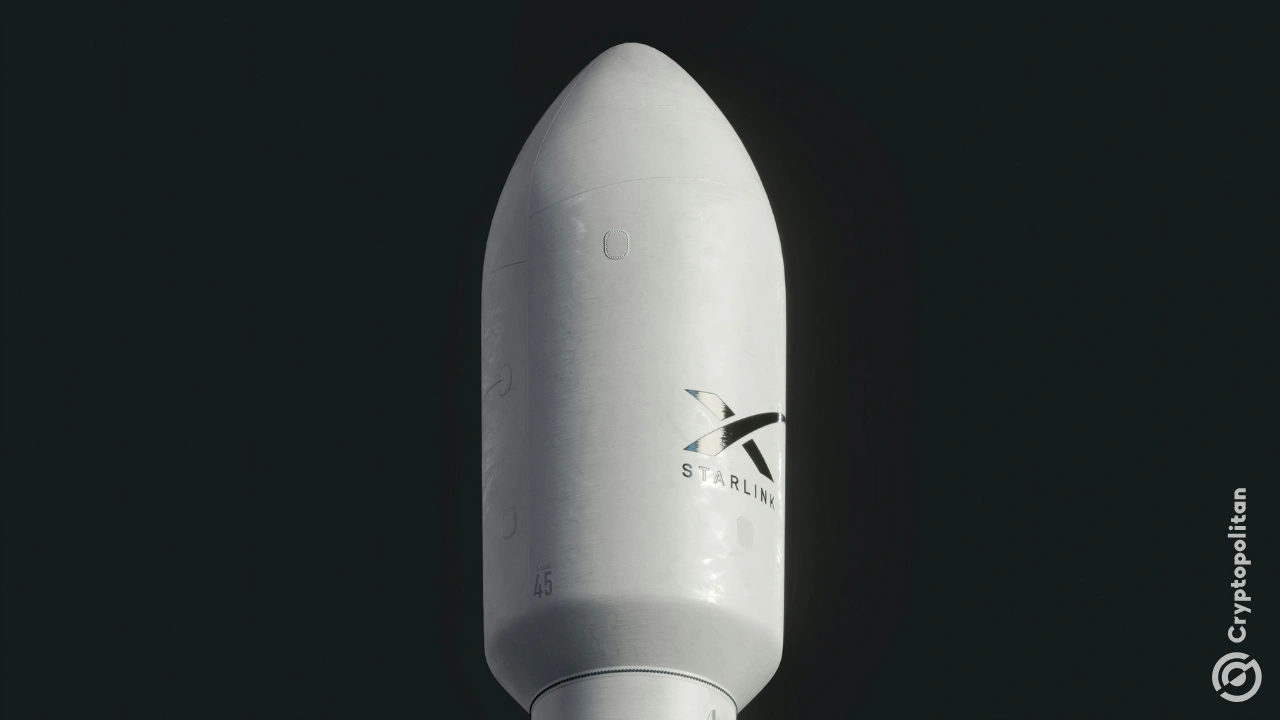
The Federal Communications Commission (FCC) has officially authorized SpaceX to deploy an additional 7,500 second-generation Starlink satellites. This decision increases the total number of approved satellites for the company to 15,000, although it is only half of the originally proposed 30,000 units. The FCC”s approval is a significant step towards expanding satellite internet capabilities globally.
According to the FCC, SpaceX is required to launch and operationalize at least 50% of the authorized second-generation satellites by December 2028, with full deployment expected to be completed by December 2031. Additionally, the company must also ensure that its initial 7,500 first-generation satellites are fully deployed by November 2027.
Brendan Carr, the FCC Chairman, described the approval as “a game-changer for enabling next-generation services.” The newly authorized second-generation satellites are set to enhance direct-to-cell connectivity outside the United States while providing supplemental coverage within the country. These satellites are expected to deliver internet speeds comparable to high-speed fiber-optic connections, reaching up to 1 gigabit per second.
However, the FCC”s approval comes with a caveat; it only authorized half of SpaceX“s request due to concerns regarding the untested nature of the second-generation satellites. The commission”s cautious approach aims to serve the public interest while allowing time to assess the performance of the upgraded satellite design.
Previous FCC chair Jessica Rosenworcel had expressed intentions to foster competition in the satellite internet market, particularly as Starlink controlled nearly two-thirds of all active satellites. This dominance has raised apprehensions regarding space safety and market monopolization.
In response to these competitive pressures, Amazon is gearing up to introduce its own satellite internet service, known as Project Kuiper, which will be rebranded as Amazon Leo. The company plans to begin service previews in November 2025 and aims for a wider rollout in 2026. The FCC has granted Amazon permission to deploy 3,236 satellites, with stipulations to launch and operate half of them by July 30, 2026, and the remainder by July 30, 2029.
In a proactive move towards enhancing space safety, Starlink recently announced plans to lower the altitude of all its existing satellites from approximately 550 kilometers to 480 kilometers throughout 2026. This adjustment aims to ensure that satellites deorbit more quickly in case of operational failures, especially following a December incident where a Starlink satellite malfunctioned and created debris.
As the satellite internet landscape evolves, the competition between SpaceX and Amazon could significantly influence connectivity options for consumers and businesses alike, reflecting the growing importance of satellite technology in the broader telecommunications sector.