






















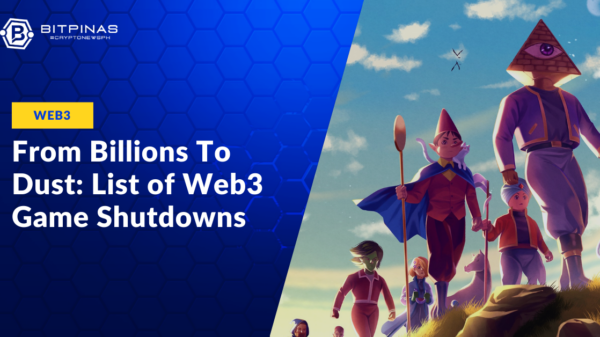













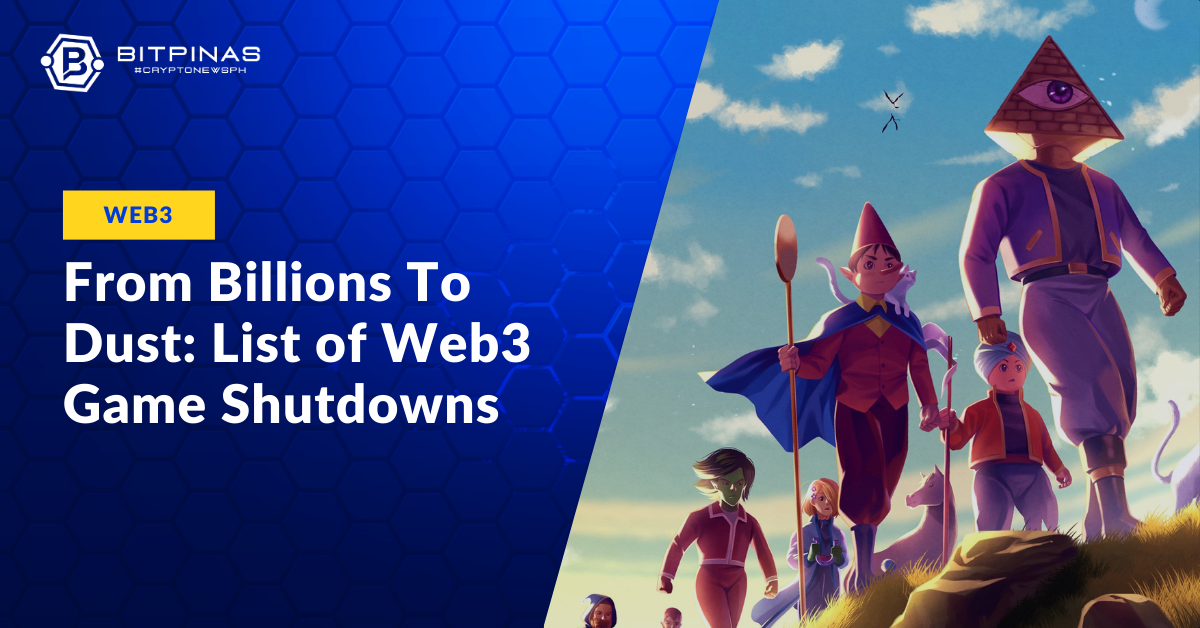
In 2026, the blockchain gaming sector has faced significant challenges, with at least two games shutting down or discontinuing their cryptocurrency features. The ongoing pressure from market volatility and diminishing funding has forced developers to reevaluate their strategies.
The surge of interest in web3 gaming during the 2021 bull run has now given way to a stark reality. In 2025 alone, a total of 22 crypto games either ceased operations or reverted to traditional gaming models. This trend has continued into 2026, highlighting the ongoing struggles within the industry.
Crypto Gaming Landscape in 2026
According to data from DappRadar, trading volumes for gaming tokens have been disappointingly low, only exceeding the $10 million threshold on three occasions in the past year. Unique active wallet transactions for these tokens have remained stagnant, fluctuating between 2.6 million and 4.78 million. These figures contrast sharply with the billions being funneled into emerging narratives like the tokenization of Real-World Assets (RWAs).
Insights from Industry Leaders
In a recent conversation with gaming influencer Yellow Panther, Jeffrey “Jihoz” Zirlin, co-founder of Sky Mavis—the company behind Axie Infinity—shared insights on the wave of game shutdowns. He emphasized that many developers underestimate the impact of crypto market volatility on their projects” longevity. This sentiment is echoed by findings from the Blockchain Gaming Alliance (BGA), which revealed that over 32% of game developers cite cash shortages as their primary hurdle in the industry.
Notable Game Shutdowns in 2026
This year has already seen notable blockchain games such as Pixiland and Forgotten Runiverse close their doors or pivot away from their web3 integrations. The ongoing economic pressures and shifting player interests have made it increasingly difficult for these projects to sustain their operations.
The future remains uncertain for the web3 gaming space as it grapples with profound market challenges. Developers and investors alike must navigate these turbulent waters, assessing the viability of their projects in an environment that seems increasingly hostile to blockchain-based gaming.