











































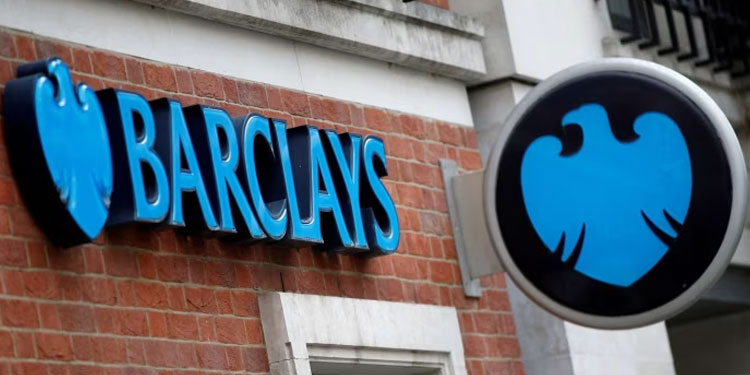
Barclays Plc is making significant strides in the blockchain arena, focusing on the potential development of a platform that leverages distributed ledger technology for payments and tokenized deposits. Sources familiar with the initiative have revealed that the bank has initiated a request for information directed at a select group of technology providers, marking a pivotal step in its internal assessment process.
This initiative underscores Barclays” efforts to explore how blockchain can modernize payment mechanisms and deposit frameworks within a regulated banking environment. The scope of this exploration includes digital payment solutions such as stablecoins and tokenized deposit services, which are gaining recognition for their ability to enhance transaction speed and efficiency. This shift comes amid escalating competition from fintech firms and technology companies entering the payments landscape.
As the popularity of stablecoins continues to rise, traditional banks are reevaluating their positions in the evolving digital payments ecosystem. Market analysts have noted that these blockchain-based tokens, which are generally pegged to fiat currencies, have the potential to significantly alter global transaction volumes. According to estimates from Bloomberg Intelligence, annual payments related to stablecoins could surpass 50 trillion dollars by the decade”s end, highlighting the magnitude of disruption on the horizon.
Barclays” foray into blockchain technology is reflective of a broader industry trend toward embracing regulated digital currency. Instead of viewing blockchain merely as a novel technology, the bank appears to be considering its practical integration within established financial systems.
Beyond preliminary investigations, Barclays has taken concrete steps by investing in Ubyx Inc., a clearing system based in the United States that is designed for digital currencies. This platform supports both tokenized deposits and regulated stablecoins, emphasizing the bank”s commitment to building foundational infrastructure rather than engaging in isolated pilot projects.
This investment aligns with Ubyx”s vision to create a shared settlement framework that links various issuers of digital currency with multiple receiving institutions. In this model, digital assets would be redeemable at face value, thereby fostering trust and consistency among participating entities. Observers have noted that this strategy indicates a preference for interoperable systems capable of scaling across various markets.
Barclays” blockchain strategy is part of a broader effort to identify commercially viable applications for distributed ledger technology. While banks and corporations have been experimenting with blockchain for over a decade, the adoption rate has historically lagged behind traditional payment systems in terms of transaction volume. However, the current development phase appears to be shifting toward collaborative infrastructure rather than isolated proofs of concept. Industry participants are increasingly recognizing that shared networks and common standards are more likely to achieve significant scale compared to standalone initiatives.
The bank”s commitment to interoperability is crucial, as it views this as a necessary component for any global digital currency system. Barclays” interest extends beyond payments, having previously acquired a minority stake in United Fintech, a technology platform supported by a consortium of major banks, including Citi and BNP Paribas. This investment aims to provide access to vetted technology solutions while minimizing duplication across institutions.
By engaging with consortium-backed platforms, Barclays seeks to reduce the risks associated with fragmented systems and incompatible technologies. This approach reflects a more advanced stage in the development of digital finance infrastructure, where coordination and standardization are prioritized over mere experimentation.
Overall, Barclays” recent actions indicate a thoughtful and strategic approach to blockchain adoption. Rather than perceiving digital assets as a threat to traditional banking, the bank is integrating them into existing regulatory and operational frameworks. The focus on payments, tokenized deposits, and shared infrastructure points to a future where blockchain technology complements established financial systems, positioning Barclays among the institutions that will help shape the next generation of global payment and settlement networks.